

As the oldest international film festival in North America, this annual event brings together filmmakers, audiences, and critics from around the globe. First held in 1965, the Chicago International Film Festival has become not only a cornerstone of the city’s film industry but also a vital platform for discovering new voices, exploring bold themes, and celebrating cinematic experimentation. You can also learn about the Ravinia Festival in Chicago, another hub for talented performers and music enthusiasts. Read more on chicagovski.
Festival History
The festival’s story begins with Michael Kutza, a young filmmaker and a passionate admirer of European cinema. His dream was to bring world-class art-house films to American audiences, who in the 1960s were primarily focused on Hollywood. The first festival took place in a small theater in downtown Chicago, featuring a program of 20 films from various countries. While the event earned rave reviews from film critics and intrigued the public, it was only the beginning of its journey.
Throughout the 1970s and 1980s, the festival expanded rapidly. It distinguished itself by championing films that went against the current—experimental works, socially critical pieces, films from developing nations, and stories with themes considered taboo in the United States at the time.
In 1970, the “Silver Hugo” was introduced as the main award, becoming a prestigious honor for innovative films. The “Gold Hugo” for Best Feature Film was added in the 1980s. The festival soon became a benchmark for quality, as many films that premiered here later won Oscars and Golden Globes. In the 2000s, the program began to feature films about military conflicts in the Middle East, the genocide in Rwanda, and events in the post-Soviet space.
The COVID-19 pandemic in 2020 forced the festival to adopt a hybrid format, combining online screenings with drive-in theaters. This not only saved the event but also expanded its audience, allowing viewers from across America and even beyond to watch the films. In the 2020s, the festival continues to embrace new technologies, including VR cinema, while focusing on themes of diversity, ecology, and human rights. While maintaining its prestigious reputation, it also strives to be accessible to young people, students, ethnic communities, and independent viewers.
A Festival Without Borders
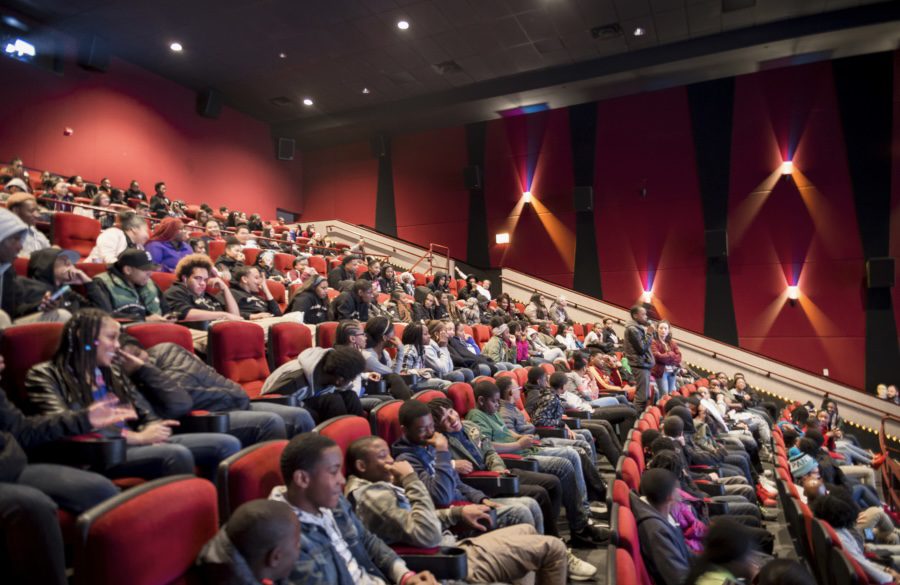
From its earliest years, the Chicago International Film Festival established itself as a platform for foreign cinema in America. It was a place where audiences could see not only Hollywood productions but also films from France, Poland, Japan, Czechoslovakia, Italy, the USSR, and other countries that had not yet reached Western distribution networks.
Today, the festival screens over 100 films from more than 40 countries annually, ranging from groundbreaking debuts to works by masters of world cinema. It actively introduces audiences to cinema from Latin America, Southeast Asia, the Middle East, Eastern Europe, and Africa. It was here that directors such as the following launched their careers or made a major impact:
- Krzysztof Kieślowski (Poland)
- Wong Kar-wai (Hong Kong)
- Aki Kaurismäki (Finland)
- Asghar Farhadi (Iran)
- Radu Jude (Romania)
- Claire Denis (France)
The festival often showcases films that go on to win Oscars, Golden Globes, the Berlinale’s Golden Bear, and the Palme d’Or at Cannes.
The Festival Opening
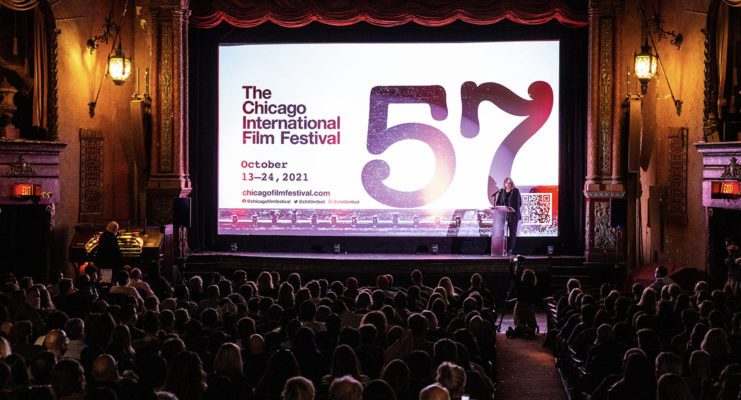
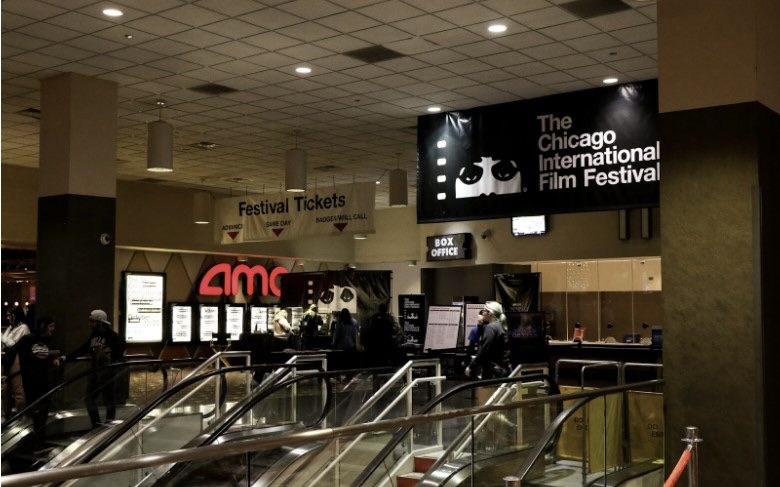
The festival traditionally kicks off with a gala evening that combines red-carpet glamour, a high-profile film premiere, and interactions with movie stars. The event takes place at the city’s largest cinema, AMC River East 21, or at iconic theaters on Michigan Avenue.
Stars spotted at the opening ceremony include:
- Al Pacino, presenting his film “Chinese Coffee”
- Francis Ford Coppola, as part of a retrospective program
- Tilda Swinton, with the film “We Need to Talk About Kevin”
- Gael García Bernal, Julianne Moore, Michael Shannon, Richard Gere, Isabelle Huppert, and Cate Blanchett—just to name a few.
The star actors and directors don’t just walk the red carpet; they also actively participate in Q&A sessions, masterclasses, and autograph signings, making the festival incredibly accessible to the audience.
The film chosen to open the festival always carries significant artistic value or political weight. Past opening night films include:
- “The Whale” by Darren Aronofsky, an emotional drama starring Brendan Fraser
- “The Two Popes” by Fernando Meirelles, which premiered before its Netflix release
- “Roma” by Alfonso Cuarón, screened before its Oscar wins and global triumph
- “The Trial of the Chicago 7” by Aaron Sorkin, a socially charged film based on real events that took place in Chicago.
The festival’s guests include not only actors and directors but also renowned critics, producers, and screenwriters who choose Chicago for premieres or early screenings of new projects. In the festival’s informal atmosphere, you might find movie stars enjoying a glass of wine, speaking on a creative panel, or sitting in the audience during a screening. The opening night perfectly embodies the festival’s spirit: a blend of art and life, beauty and meaning, tradition and innovation. The stars who attend don’t just present their films—they share their vision, reflect on their work, and reveal a side of themselves beyond the screen.
The Competition Program
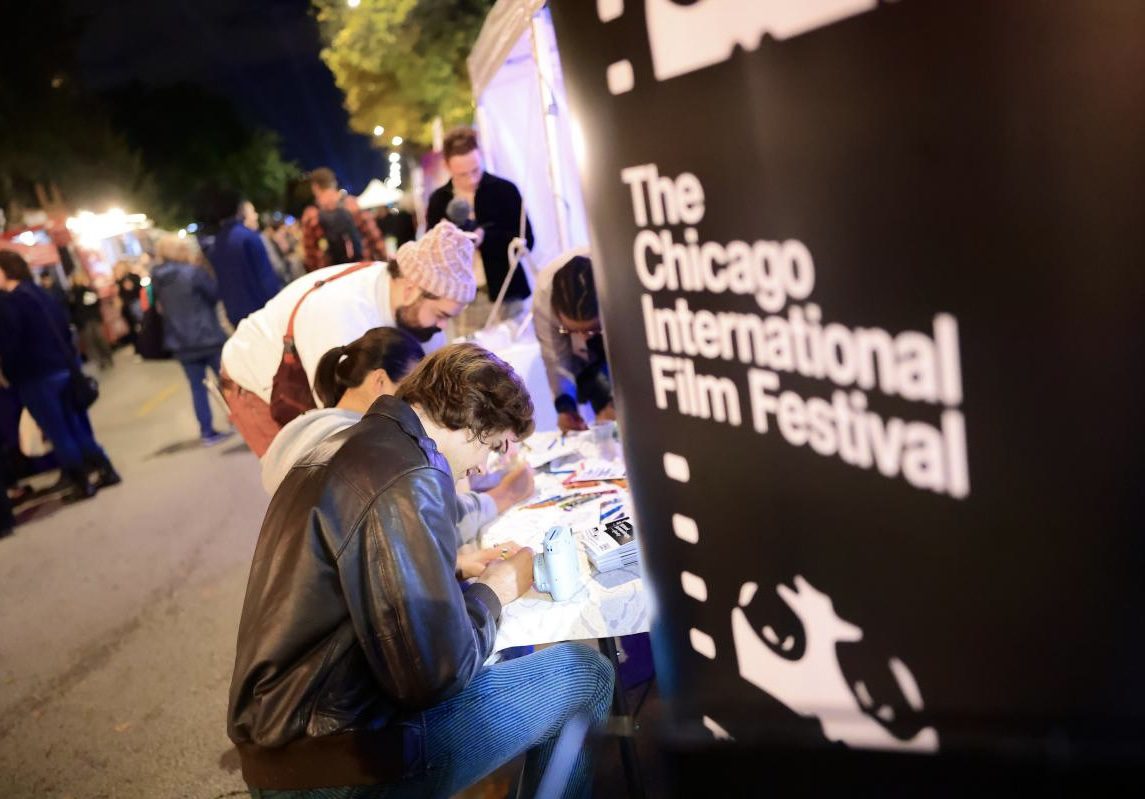
A key feature of the festival is its competition program, which covers several main categories:
- International Feature Competition: This is the main competition section, showcasing feature-length narrative films from around the world.
- New Directors Competition: This section is dedicated to debut and second-time feature films, providing a platform for new voices and discovering the stars of tomorrow.
- Documentary Competition: A selection of the most relevant documentaries capturing political, environmental, and humanitarian stories from all corners of the globe.
- Short Film Competition: Short films, often experimental, that impress with their form or depth of ideas. A win in this section can be an entry ticket into the world of feature filmmaking.
An international jury—composed of directors, screenwriters, producers, actors, and critics from various countries—evaluates the films. This ensures a multicultural approach to selecting the winners and reduces the influence of local biases on the festival’s outcomes.
The Chicago International Film Festival doesn’t just show movies—it creates a space for dialogue between countries, aesthetics, and ideologies. Here, films are more than entertainment; they are a social gesture, a cultural statement, and an intellectual challenge. The festival encourages international participation in Q&A sessions, panel discussions, and masterclasses, where audiences can interact directly with creators from Spain, Chile, South Korea, or Iran.
Dialogue with the Audience
One of the most distinctive features of the Chicago International Film Festival is not just its high-quality film selection but also the active and direct interaction between creators and the audience. This transforms the festival from a simple movie-watching experience into a true cultural dialogue, where the viewer becomes an active participant in appreciating the art of cinema. Q&A sessions are traditionally held after screenings, featuring directors, actors, producers, and other members of the film crew. This is an opportunity to ask questions, learn about the nuances of production, understand the director’s vision, hear about the challenges the creators faced, and discover the motivation behind their chosen themes. These conversations often reveal new dimensions of a film, helping audiences connect with it on a deeper level.
In addition to traditional Q&As, the festival organizes panel discussions—themed meetings where invited experts, critics, and filmmakers discuss current issues in the film industry, trends in world cinema, and the social or political aspects raised in the films. These discussions create an intellectual space for exchanging ideas and allow the audience to feel like part of a professional cinematic conversation. Masterclasses from renowned directors, cinematographers, and screenwriters also play a crucial role, as they share their experience and the secrets of their craft. These events are especially valuable for young artists and film students, who can gain practical knowledge and inspiration for their own creative work. Learn about Adam Baldwin, a Chicago-born Hollywood star, who has appeared in many popular films and TV series.