

James D. Watson is one of the most famous American biologists and geneticists of the 20th century. Working alongside Francis Crick, he co-discovered the double-helix structure of DNA. This breakthrough became one of the most important events in the development of biological sciences and laid the foundation for modern molecular genetics. You can also learn the success story of former U.S. President Barack Obama. More to come on chicagovski.
Biography and Early Life
James Dewey Watson was born in Chicago, USA, on April 6, 1928. From childhood, he displayed a keen interest in science, especially biology, which proved crucial in shaping his future career. Even as a young man, James was highly inquisitive and fascinated by the natural sciences. His family supported his scientific interests, encouraging him to study complex phenomena in nature. This early passion led to a deep understanding of biology and genetics, which later became his professional field. James Watson enrolled at the University of Chicago, where he gained foundational knowledge in biology, chemistry, and other sciences. His education at this esteemed institution provided a solid base for his future research.
After graduating from the University of Chicago, Watson continued his scientific pursuits at Harvard University, one of the world’s leading research centers. There, he focused on studying genetics—the science of heredity and variation in living organisms. It was at Harvard that his ideas began to take shape, leading to his later landmark discoveries in molecular biology. His education at top American universities gave James Watson not only knowledge but also access to scientific communities and laboratories where he could realize his potential. This laid the groundwork for his subsequent work on the structure of DNA—a discovery that changed science forever.
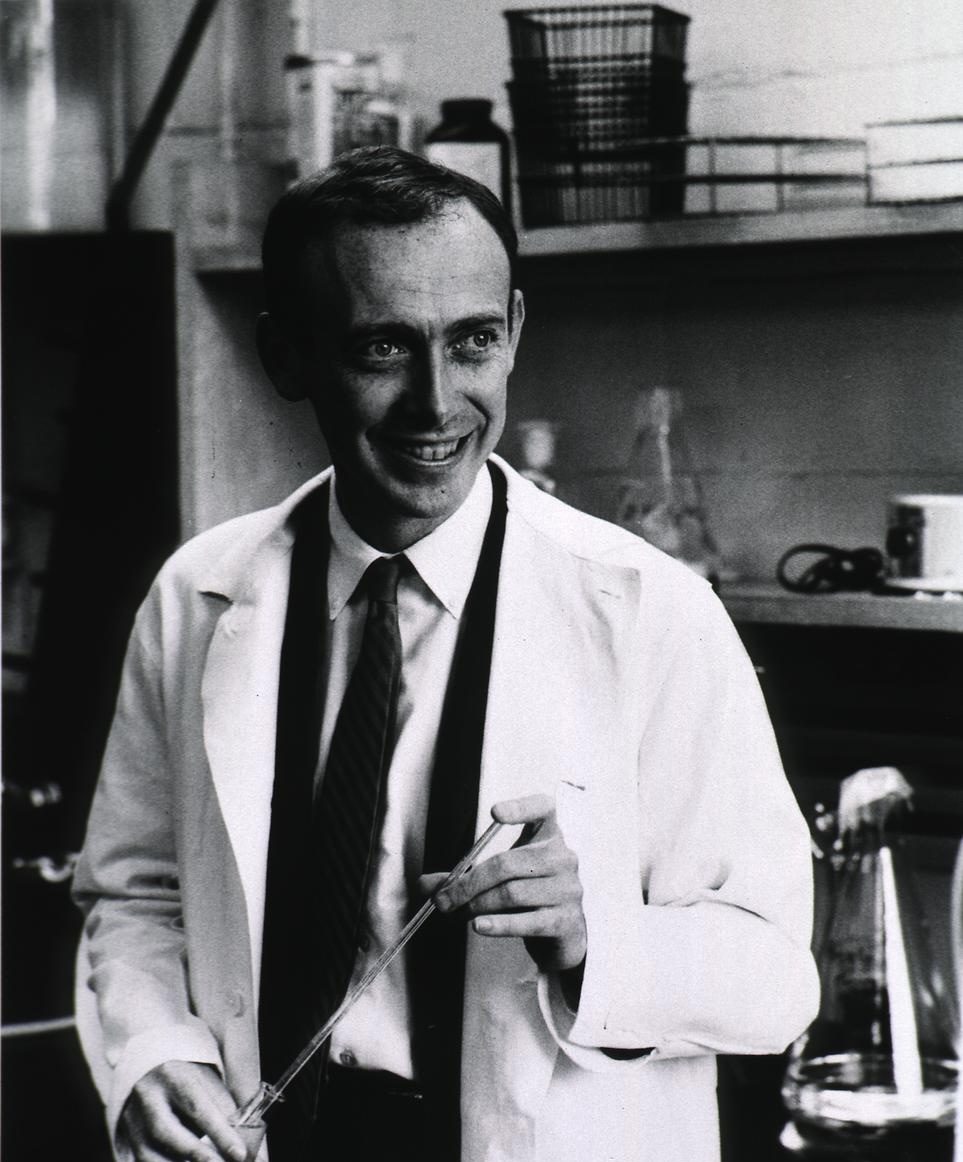
The Landmark Discovery
After completing his studies at Harvard University, James Watson focused on research in molecular biology. It was here that he began actively working to unlock the structure of the molecule containing genetic information: DNA. In 1951, James Watson joined the Cavendish Laboratory at Cambridge University, marking the beginning of his famous collaboration with Francis Crick. Together, they set out to unravel the mysteries of deoxyribonucleic acid (DNA)—the primary carrier of genetic information in living organisms.
A key element in solving the DNA structure were the X-ray diffraction images, particularly those produced at King’s College London by scientists Rosalind Franklin and Maurice Wilkins. Their images showed a characteristic X-shaped pattern that strongly indicated a helical shape for the molecule. Watson and Crick meticulously analyzed this data, combining it with their own knowledge of the chemical composition and properties of nucleotides—the building blocks of DNA.
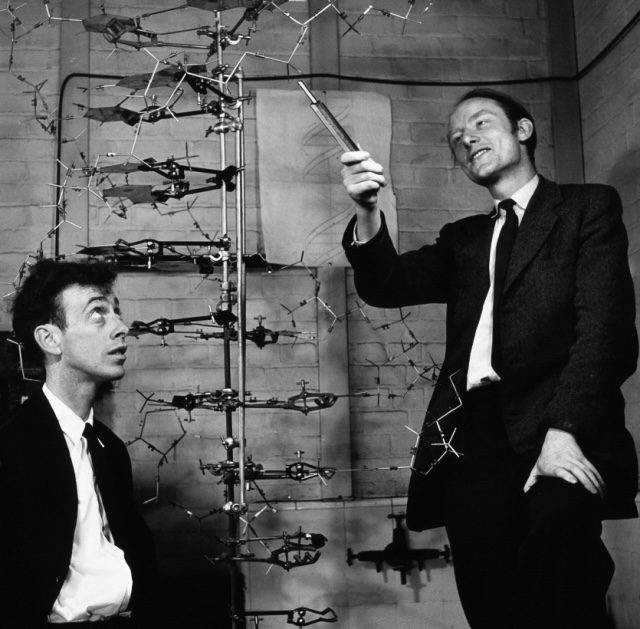
In 1953, they proposed the revolutionary double helix model of DNA: two long chains of nucleotides twisted around each other, forming a stable structure. This ingenious design explained how genetic information could be stored and accurately copied during cell division. The main components of the strands are nitrogenous bases—adenine, thymine, guanine, and cytosine—which bond in specific pairs (adenine with thymine, guanine with cytosine) through hydrogen bonds. This principle of complementarity allows DNA to replicate itself precisely. The double helix model not only answered fundamental biological questions but also initiated a new era in genetics and molecular biology. The discovery explained the mechanism of DNA replication, paving the way for understanding heredity, mutations, and the development of biotechnology and medicine.
The work of Watson and Crick was published in the journal Nature in April 1953 and stands as one of the most important scientific publications of the 20th century. For this groundbreaking discovery, they were awarded the Nobel Prize in Physiology or Medicine in 1962, alongside Maurice Wilkins.
Post-Nobel Career
Following the revolutionary discovery of the DNA structure in 1953, James Watson continued his active scientific work in molecular biology and genetics, remaining one of the leading scientists of his time. Throughout his career, Watson headed several prominent research centers. From 1956 to 1976, he worked at Harvard University, where he taught and conducted research, actively supporting the growth of molecular biology as a distinct scientific discipline. Later, in 1976, he became the director of the Cold Spring Harbor Laboratory (CSHL) in New York—one of the world’s premier centers for genetics and molecular biology. Under his leadership, the institute significantly expanded its scientific programs and its influence on the global scientific community.
In addition to his research, Watson made a major contribution to the popularization of science. He authored several popular science books that made complex biological concepts accessible to the general public. His most famous work is The Double Helix (1968), in which he details the story of the DNA structure discovery, presenting it through the lens of personal experiences and scientific rivalries. This book became a classic of science literature and inspired generations of researchers. James Watson was also a strong advocate for the development of education and scientific programs in biology. He helped found numerous conferences, symposiums, and educational initiatives aimed at advancing knowledge in molecular biology. His leadership in scientific institutions fostered a surge of discoveries in genetics, biotechnology, and related fields, solidifying molecular biology’s position as a fundamental science.
Honors and Awards
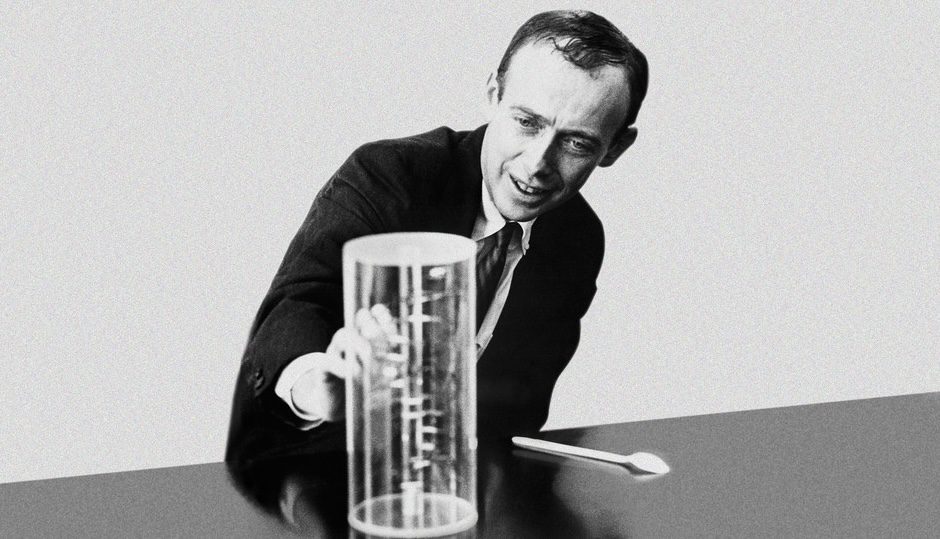
The highest recognition of James Watson’s contributions was the Nobel Prize, which he received in 1962 alongside Francis Crick and Maurice Wilkins for their discoveries concerning the molecular structure of nucleic acids and its significance for information transfer in living material.
He was also granted membership in several prestigious scientific academies:
- National Academy of Sciences (NAS). Watson’s election as a member of this leading U.S. scientific organization recognized the high value of his scientific contributions in America.
- British Academy. He received an honorary fellowship for his significant contributions to the biological sciences.
- Royal Society. In 1962, Watson was elected as a Fellow of this prestigious British scientific society.
Throughout his career, James Watson received numerous honorary doctoral degrees from leading universities worldwide, including Harvard University, Oxford University, Cambridge University, and many others.
Personal Life and Controversy
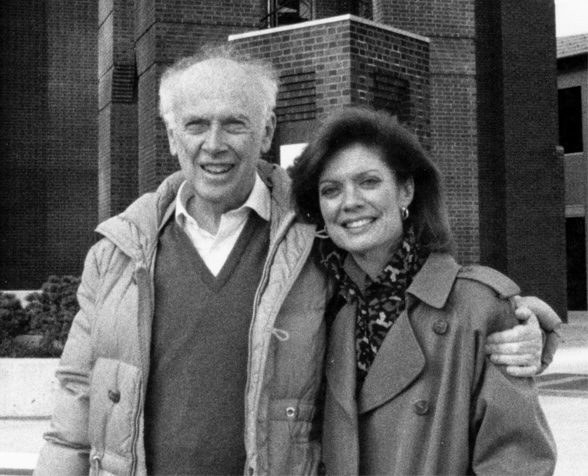
James Watson has been married three times. His first wife was Eleanor Russell, whom he married in 1950, and they had two children from this marriage. He later married Ellen Tener, and subsequently Elizabeth Lewis, with whom he lived in his later years.
Outside of his professional work, James enjoyed literature and music. He was known as a lover of classical music, particularly the works of Bach. Reading and communicating with colleagues from various scientific fields also constituted a significant part of his daily life. Watson’s personality has repeatedly sparked controversy due to his public statements regarding race, intelligence, and genetics, which some have deemed controversial and offensive. These remarks led to widespread criticism from the scientific community and the public, resulting in limitations on his official roles. Watson is known for his characteristic bluntness and outspokenness, making him both a charismatic leader and a polarizing figure. His communication style influenced generations of scientists, stimulating discussions and debates within the scientific community.
Also, learn about the Chicago Jazz Festival—the city’s most popular music festival, which attracts jazz fans from around the world every year.