

Chicago hosts a large number of festivals, each with unique characteristics. One of the most popular among locals is the Ravinia Festival. Read on chicagovski.com for insights into its history and other interesting facts.
How It All Began
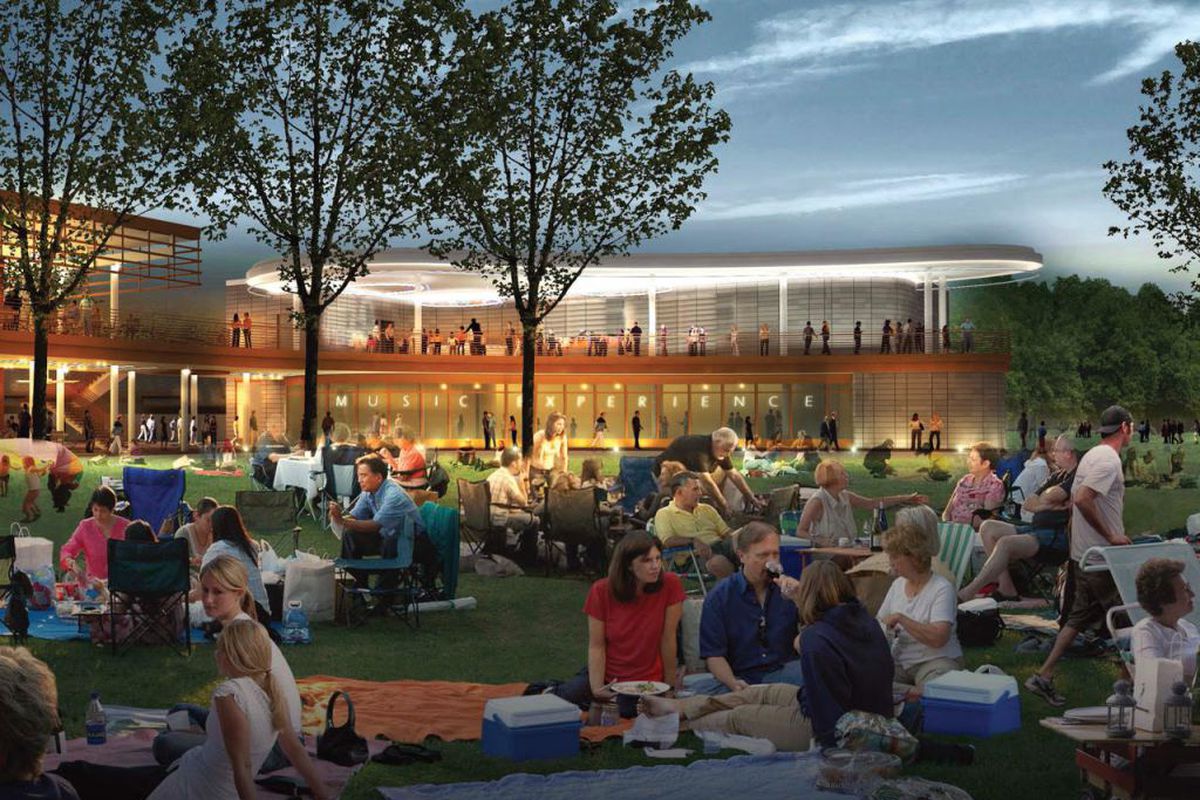
In 1904, the AC Frost Company acquired land and opened Highland Park as a place of recreation for Chicago residents. Highland Park was extensive, featuring a baseball field, fountains, a gambling hall, dining facilities, and a dance floor.
At one point, the park’s existence was threatened, prompting a group of Chicago businessmen to form a corporation to purchase and manage it.
Soon after the park was refurbished, the Ravinia Festival was founded and gained recognition throughout its history. The first festival was held on August 15, 1904, and it has since remained the oldest and most diverse festival in North America.
The festival’s venue has remained the same since its inception: Highland Park, Illinois. This area is equipped with a large pavilion for musicians, a dance hall, a baseball stadium, a theater, and much more. Each summer, from June through September, a series of open-air concerts and performances are held here. Over the three-month season, the festival attracts about 600,000 visitors and hosts 150 events that span genres from classical to jazz.
The festival was founded by Ravinia Company, a group of 90 members. Each year, business leaders and community figures help with festival organization, with significant financial support from the Women’s Board and the Associates Board.
Notably, the first orchestra to perform at the festival was the New York Philharmonic, led by Walter Damrosch, on June 17, 1905.
The Festival’s Flourishing Development
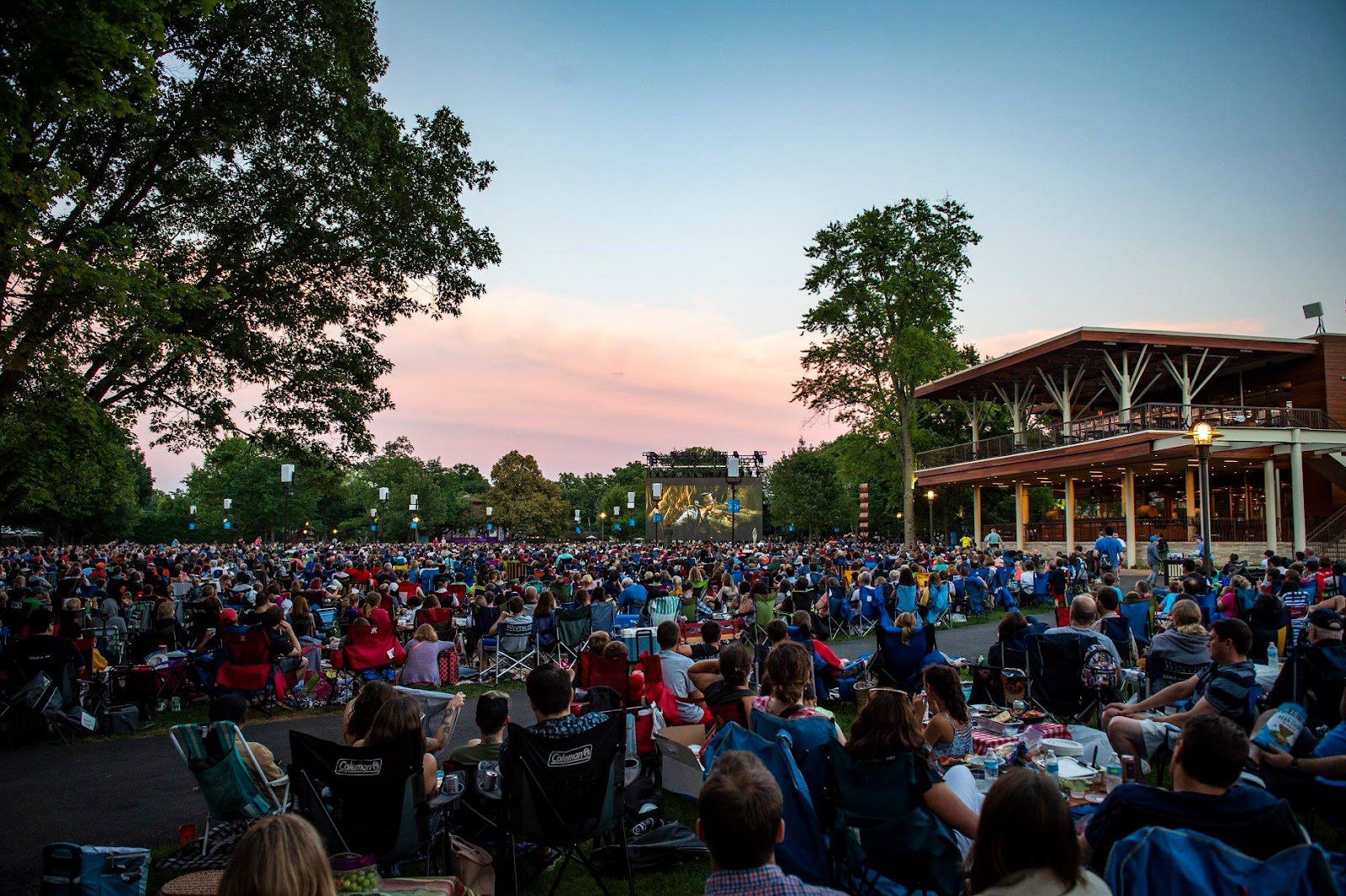
From 1919 to 1931, the Ravinia event was widely recognized as an opera hub, drawing renowned singers from Europe. During the Great Depression, the festival closed for four years. It reopened in 1936, with a stronger focus on symphonic music, featuring the first performance by the Chicago Symphony Orchestra.
In 1938, Benny Goodman made headlines by breaking racial barriers, performing at Ravinia with an integrated orchestra.
Today, the festival continues to attract renowned musicians from various genres. Notable artists include Marin Alsop, Louis Armstrong, Tony Bennett, 50 Cent, Plácido Domingo, Miles Davis, and many others.
At the 1999 festival, pianist Lang Lang stunned audiences with his performance. Additionally, six music directors from the CSO performed here for the first time. The festival also saw Aretha Franklin’s last full concert performance.
In the early 2000s, Ravinia established a series of original Stephen Sondheim musical productions with a repertory ensemble featuring prominent theater artists.
Today’s Festival and Core Goals
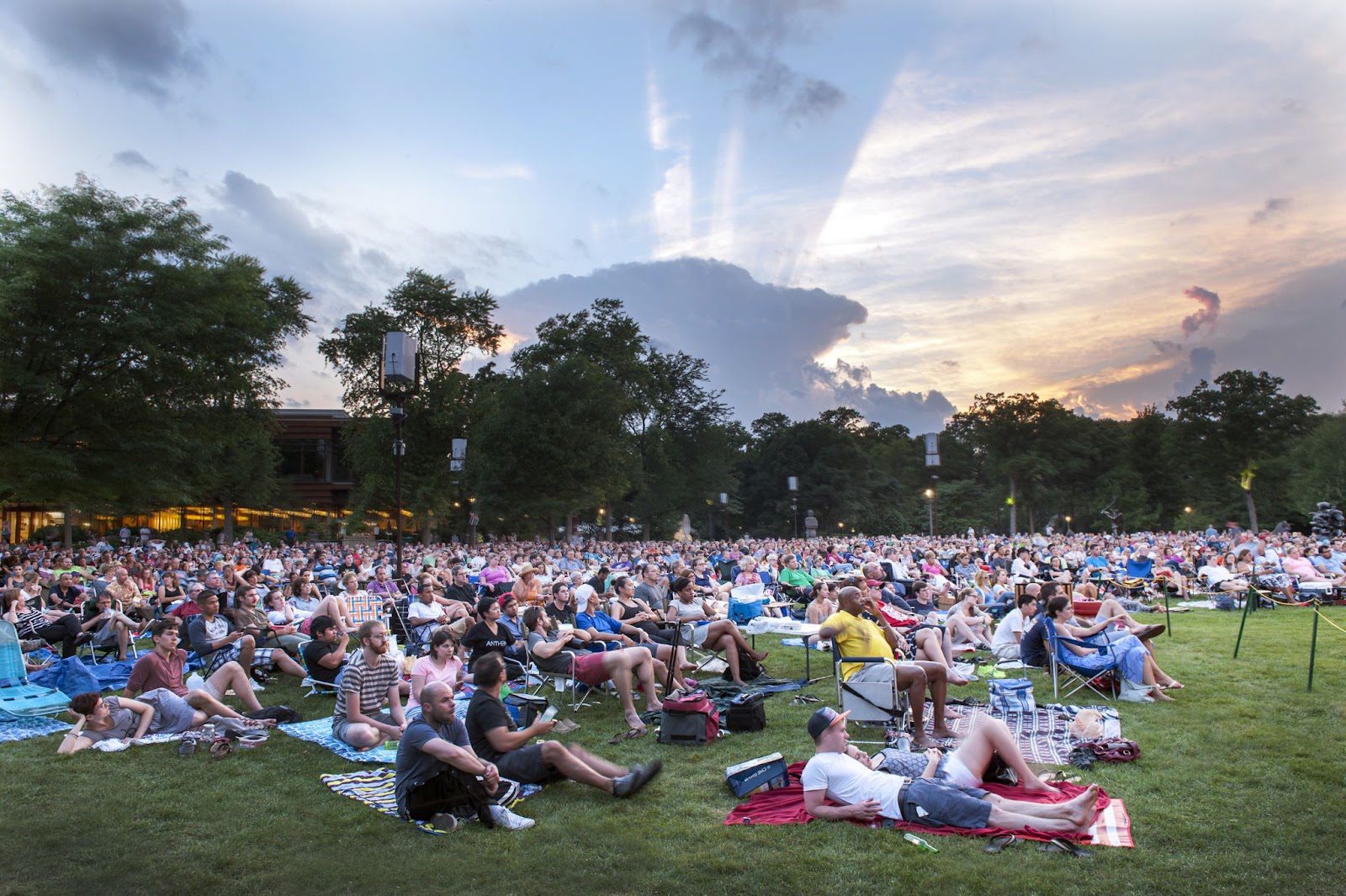
Ravinia’s mission centers on discovering and nurturing talented artists. For five decades, the festival has worked to make music more accessible to everyone. Additionally, festival founders have created and supported school orchestras in elementary schools that lack their own music programs.
One of the standout initiatives is the Jazz Mentors and Scholars program, which connects talented students from Chicago public schools with professional musicians.
In Highland Park, there are several key performance venues:
- Pavilion – Seats 3,350 and is where the festival’s main musical events, including performances by the Chicago Symphony Orchestra, are held.
- Martin Theater – With a capacity of 850, it frequently hosts orchestral and operatic performances.
- Bennett Gordon Hall – This 450-seat hall, part of the Steans Music Institute at Ravinia, is used for concerts.
In summary, Ravinia is a must-visit festival for anyone who loves great music.