

An American singer, actor, and producer who made music history with his deep, velvety voice and a gift for blending jazz, soul, blues, and R&B. His work bridged classic African American traditions and contemporary sounds, and his onstage charisma made him a crowd favorite for decades. More at chicagovski.com.
Biography
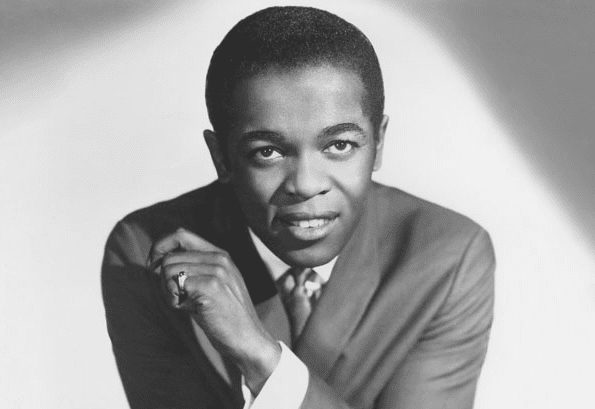
Louis Allen Rawls was born on December 1, 1933, in Chicago, Illinois, into a family with deep religious roots. He grew up in one of the city’s African American neighborhoods, where music was part of everyday life. Gospel hymns in church, blues rhythms on the streets, and jazz improvisations drifting out of Chicago’s clubs shaped his ear and his love of music.
From an early age, he showed exceptional musical talent. He began singing in his Baptist church choir, where the power and color of his unique baritone first emerged. Choir work not only taught Lou how to command his voice; it also gave him a feel for ensemble harmony and the emotional depth of music.
In school, he threw himself into music and began to form his own taste. At first Rawls was drawn to gospel, with its blend of spirituality and rhythm, but jazz and blues soon captured his attention. He took inspiration from legends like Ella Fitzgerald, Billie Holiday, Duke Ellington, and Louis Armstrong. Thanks to natural talent and persistence, young Lou quickly became a standout in Chicago’s music community.
Rise to Fame
After graduating, Lou Rawls spent time performing with local gospel groups and was later drafted into the Army, serving as a paratrooper. The service toughened his character but nearly ended his future career—he suffered serious injuries during a parachute jump and spent a long time recovering. After his discharge, Rawls returned to music with renewed energy.
He started singing on Chicago club stages, then moved to Los Angeles, where his tone and charisma quickly caught the attention of producers. During this period he worked with several ensembles, including The Pilgrim Travelers. His talent reached beyond the church circuit, and his first studio recordings proved he could fuse traditional gospel with contemporary grooves.
In 1962 came the turning point—Lou Rawls signed with Capitol Records. From there his true solo career began. By the mid-1960s Rawls broke into the national charts. “Love Is a Hurtin’ Thing” (1966) and “Your Good Thing (Is About to End)” brought broad popularity and his first significant accolades. These songs became calling cards for his sound—emotional soul paired with the technical finesse of a jazz vocalist.
Critics singled out the uniqueness of Rawls’s voice: a warm, deep timbre with a touch of rasp that let him deliver both dramatic ballads and driving R&B tracks with equal ease.
Golden Era
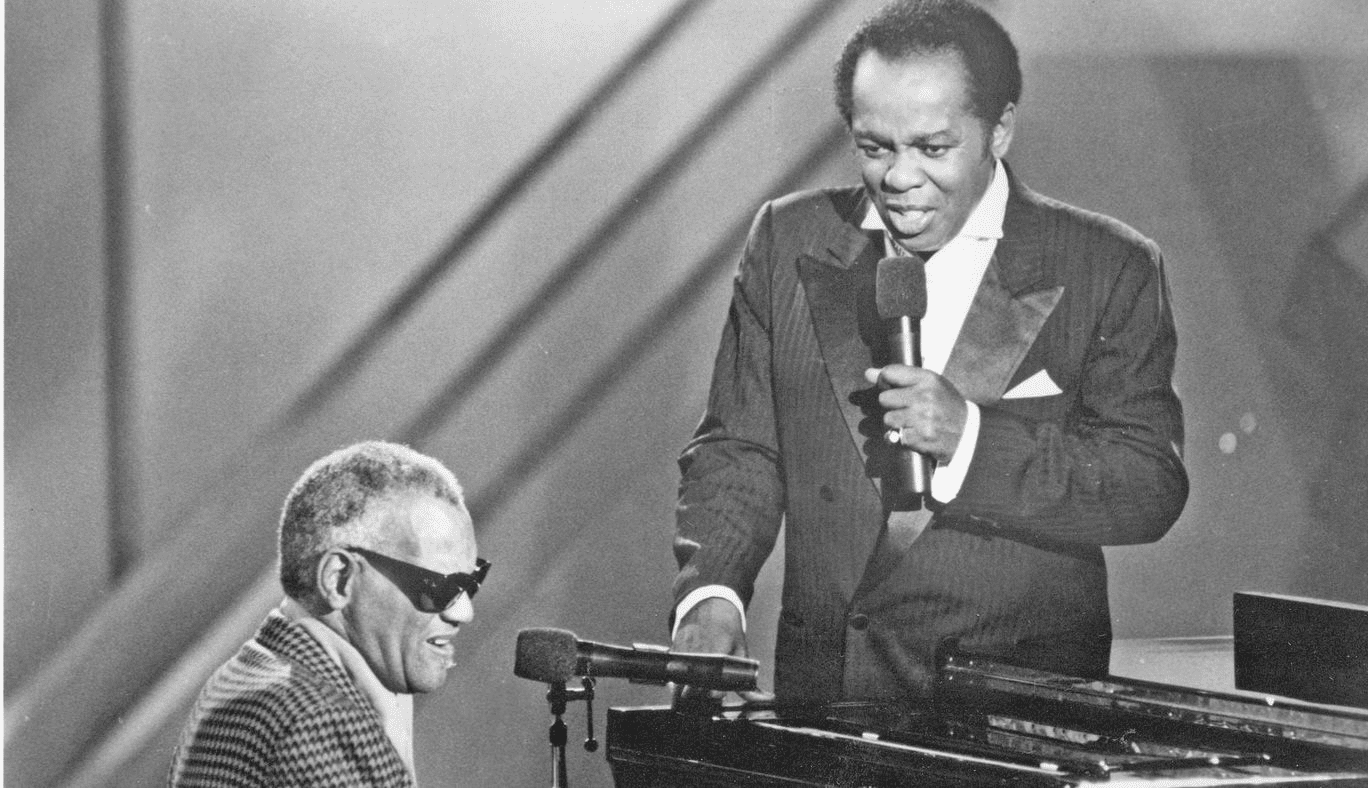
Rawls’s greatest success came in the 1970s, when he broke out of the jazz and blues club circuit and won over a wide audience. He signed with Philadelphia International Records, a pivotal step in his career. Under legendary producers, he married his classic soul with contemporary arrangements that fit the new musical moment.
He recorded a string of albums that became genre touchstones, including “All Things in Time” (1976), “When You Hear Lou, You’ve Heard It All” (1977), and “Unmistakably Lou” (1977). These releases showcased his range—from intimate ballads to energetic, dance-ready hits.
The true breakthrough was “You’ll Never Find Another Love Like Mine” (1976). The single shot into international charts, reached high positions in the U.S. and the U.K., and confirmed Rawls as a global star. It remains his best-known hit, now a soul and R&B classic. Success continued with “Lady Love,” “See You When I Git There,” and “Groovy People,” which further cemented his place on the musical stage.
During this period Lou Rawls earned three Grammy Awards, amassed more than a dozen gold and platinum records, and drew thousands to his concerts. His style was often called “music for the soul”: he could convey the subtlest shades of feeling—from tenderness and love to longing and joy. Critics and audiences alike noted that his power wasn’t just the velvety baritone; it was his rapport with the crowd. Onstage he was relaxed yet magnetic, creating a sense of closeness even in large halls.
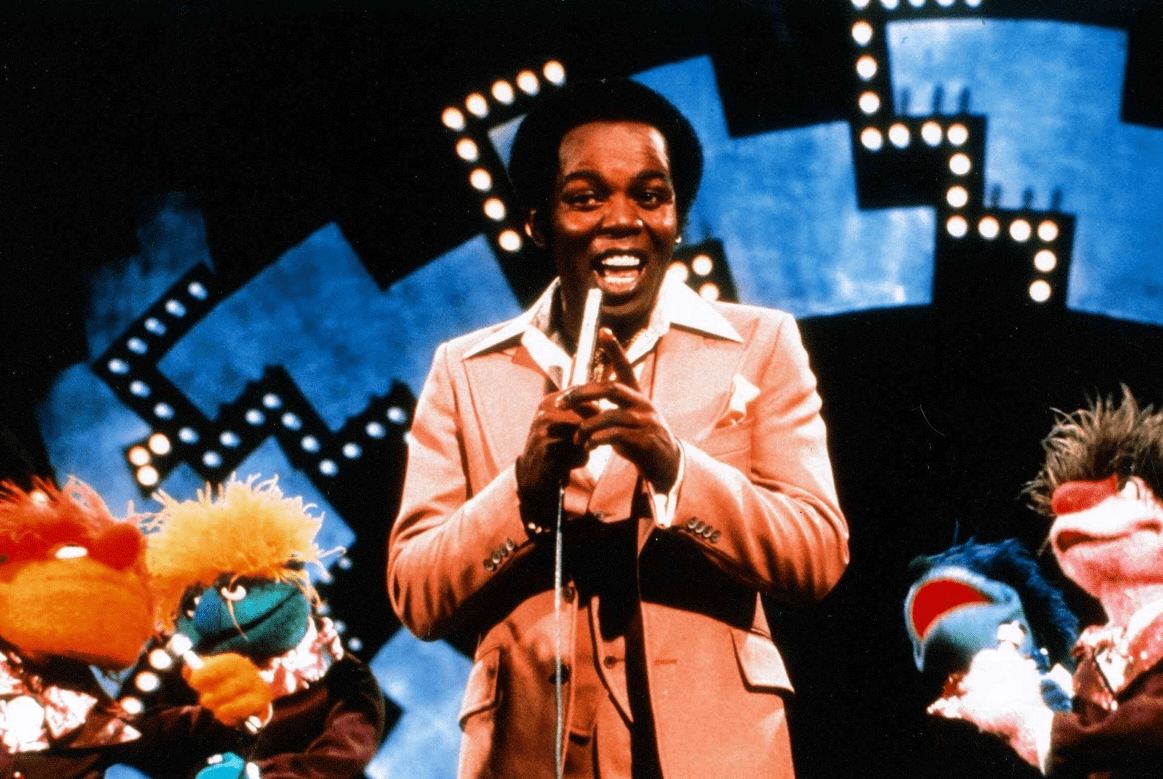
Across a long career, Rawls also appeared in films, TV shows, and commercials, and he voiced numerous animated projects. He can be seen in “Blues Brothers 2000” and “Leaving Las Vegas,” and in the series “The Big Valley” and “Baywatch.” He was a regular presence on children’s programs such as “Sesame Street” and “The Muppet Show,” and he lent his voice to many animated series, including “Hey Arnold!,” “Garfield and Friends,” “The Proud Family,” “Captain Planet and the Planeteers,” and more. His voice and charisma gave those characters unmistakable charm.
Philanthropy
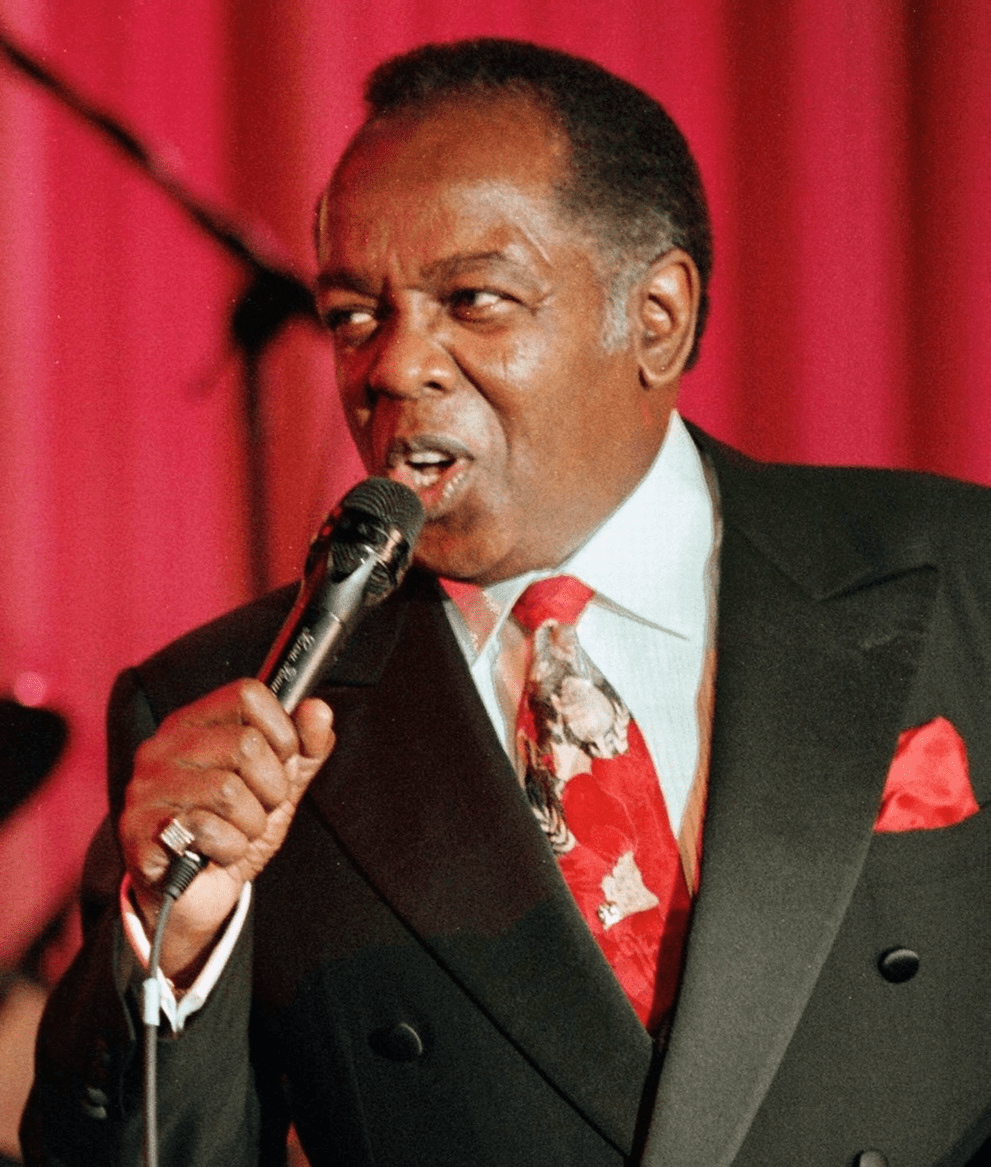
Lou Rawls earned wide recognition as a philanthropist and civic figure. He never limited himself to the stage and actively used his platform to support causes that mattered.
In the 1980s, he launched the annual “Lou Rawls Parade of Stars” telethon to raise funds for the United Negro College Fund (UNCF), which provides scholarships for African American students. The initiative quickly grew into a major cultural and charitable event broadcast nationwide. Over the years of the telethon, Rawls helped raise more than $200 million, enabling thousands of students to pursue higher education. He called this work one of the most important achievements of his life.
Beyond education, Rawls championed veterans, organized benefit concerts for medical programs, and stayed deeply involved in cultural initiatives. His engagement made him not only a musical legend but also a model of civic responsibility.
Final Illness
In 2005, Lou Rawls was diagnosed with cancer that affected both lungs and his brain. That year he was invited to perform the U.S. national anthem before a Chicago White Sox game, a team he had rooted for since childhood. Despite his serious condition and visible fatigue—and aware it might be his last public performance—Rawls sang the anthem with such conviction that he thrilled the crowd and drew wide coverage across the country. He died the following year, leaving a luminous musical legacy and a memory of devotion to his craft until his final days.