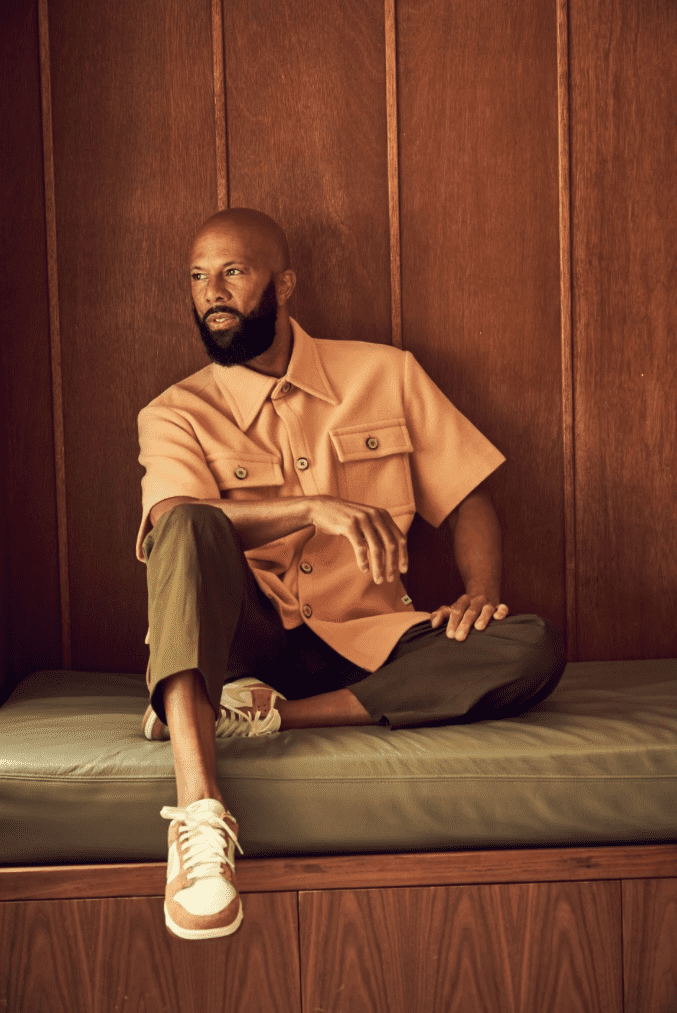

In the world of hip-hop, many names come and go, but only a select few remain influential and relevant for over three decades. Common is one such artist. More than just a rapper, he’s an accomplished actor, producer, activist, and a winner of both an Academy Award and a Grammy. His work has always stood out for its depth, social consciousness, and drive for change. Read more at chicagovski.com.
Biography
Lonnie Rashid Lynn Jr., known to the world as Common, was born on March 13, 1972, in Chicago, Illinois. His mother was a teacher who always emphasized the importance of education and self-development. His father, a former professional basketball player for the Denver Rockets, had a strong influence on his son’s character. Though his parents divorced, their support was crucial in shaping the values that would become the bedrock of his art. From a young age, Common gravitated toward poetry and literature, seeking to find his own voice in a rap scene often dominated by aggressive narratives. As a teenager, he formed his first group, C.D.R., which performed at local parties and school events. This was where he began to hone his rhyming skills, discovering the power of words as an instrument of influence.
Musical Career
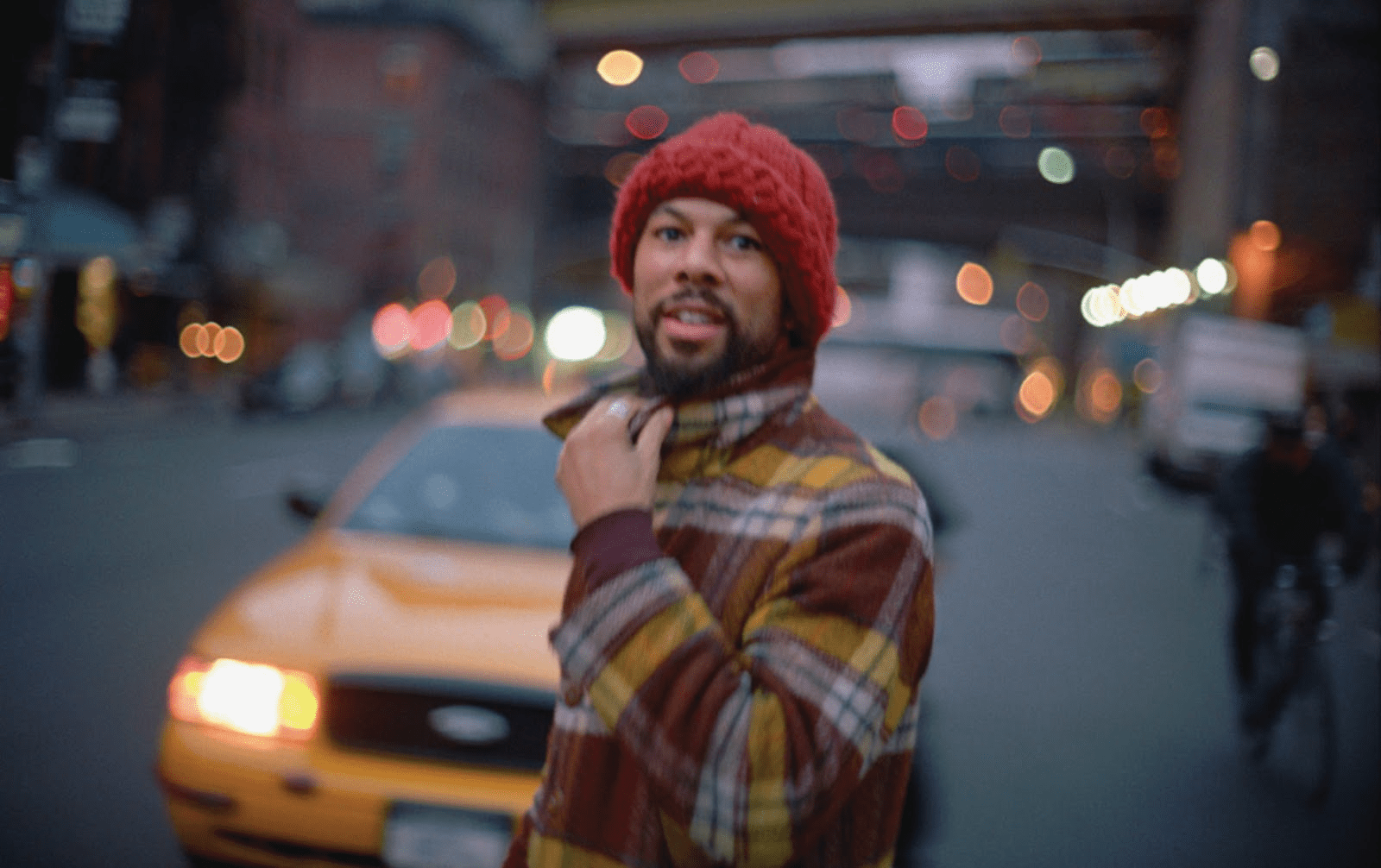
Common began his professional career in the early 1990s. His debut album, Can I Borrow a Dollar? (1992), was a breath of fresh air in the rap music of that era. Unlike many of his contemporaries, he steered clear of blatant boasts about money and violence, focusing instead on intellectual and social themes. His lyrics were poetic and meaningful, while his delivery blended classic rap traditions with experimental fusions of jazz and soul. Although the album wasn’t a commercial hit, it earned critical acclaim and helped establish Common as the voice of a new generation of Chicago hip-hop. From the very beginning of his career, he carved out a path as an artist aiming not just to entertain, but to inspire change through his music.
In the mid-1990s, Common found his place in the alternative hip-hop scene, becoming part of the socially conscious Native Tongues movement, which united artists focused on positive messages and sonic experimentation. During this period, he released the album Resurrection (1994), which became a classic thanks to its insightful lyrics and jazz-infused arrangements. This album featured one of his most famous songs, “I Used to Love H.E.R.,” a track that became a manifesto for an entire generation of listeners and musicians.
His next record, One Day It’ll All Make Sense (1997), solidified his reputation as a profound lyricist. His real breakthrough came in 2000 with the release of Like Water for Chocolate. The album combined soul, jazz, and live instrumentation with modern rap. The songs “The Light” and “The 6th Sense” became hits and brought the rapper to the global stage.
In the years that followed, he achieved even greater success:
- Be (2005) – Produced by Kanye West, this album received rave reviews from critics, earned Grammy nominations, and is considered one of the best hip-hop works of the 2000s. The tracks “Go!”, “Testify,” and “The Corner” brought him international acclaim.
- Finding Forever (2007) – The album debuted at number one on the Billboard 200 chart. This success confirmed his status as an artist who could blend commercial triumph with artistic quality.
- The Dreamer/The Believer (2011) – A return to a classic sound that further highlighted his ability to balance tradition and innovation.
- Black America Again (2016) – An album with a powerful social message, where he tackled themes of racial inequality, police brutality, and the fight for civil rights. The song “Letter to the Free,” created for the documentary 13th about the American prison system, won an Emmy.
The culmination of his recognition came in 2015 when he won an Oscar and a Grammy for the song “Glory,” co-written with John Legend for the film Selma. The composition, which celebrates the fight for equality and justice, became an anthem for the modern civil rights movement in the U.S. Common’s discography includes over a dozen albums, most of which have been ranked among the best works in hip-hop. His music stands out for its honesty, poetry, and uncompromising stance.
Acting Career
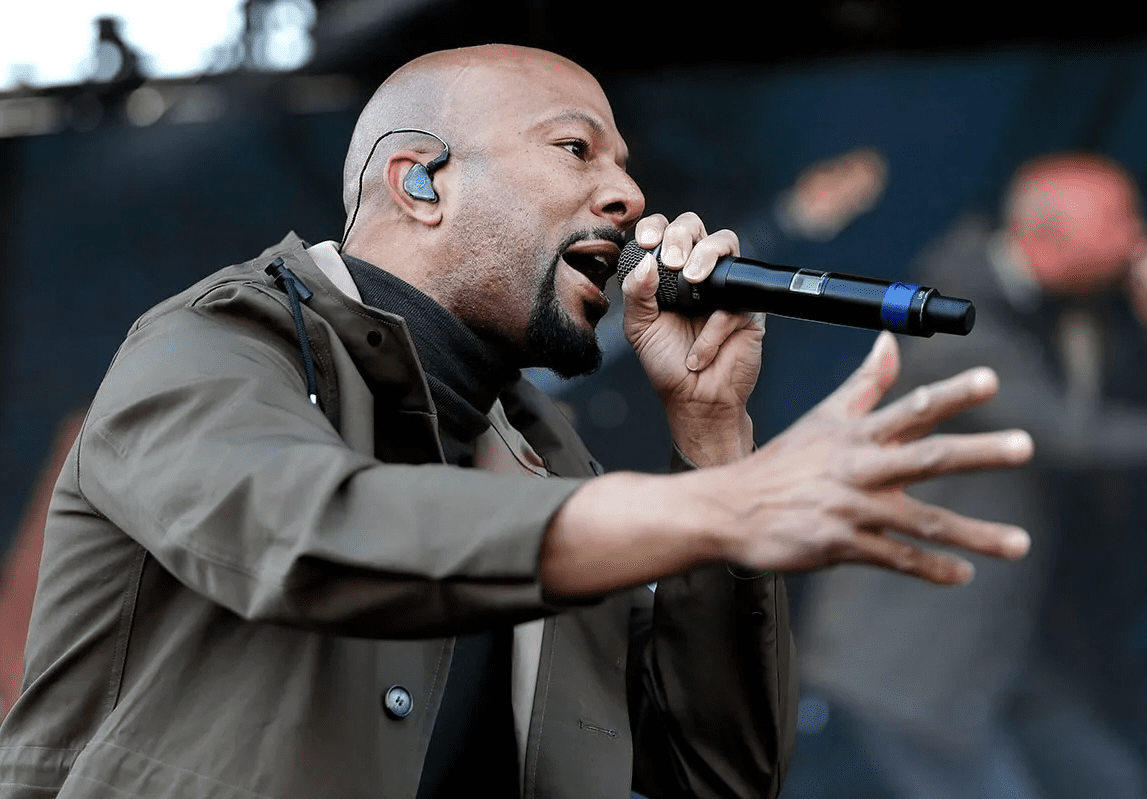
Alongside his music career, Common steadily built a reputation as a talented actor. He made his debut in the mid-2000s and has since appeared in dozens of films and television series.
His first major role was in the film Smokin’ Aces (2006), where he played a hired assassin. His charismatic and dramatically complex character immediately caught the attention of critics. In American Gangster (2007), Common appeared alongside Denzel Washington and Russell Crowe, where he seamlessly fit into the ensemble of powerful actors. He also took part in the action film Wanted (2008) with Angelina Jolie and James McAvoy. In Terminator Salvation (2009), Common played a Resistance fighter, further cementing his reputation as an actor capable of working in large-scale Hollywood blockbusters.
Among his other notable roles is John Wick: Chapter 2 (2017), where he played the ruthless assassin Cassian, an antagonist to Keanu Reeves’ character. Their fight scenes became some of the most memorable in the film. In the drama The Hate U Give (2018), he appeared as a police officer and the main character’s uncle, touching on themes of race relations and police brutality—a storyline that resonated with his own musical work. Thanks to his diverse roles, Common has established himself not just as a “musician who acts,” but as a full-fledged actor who is equally convincing in drama, action, or television series.
Producer and Activist
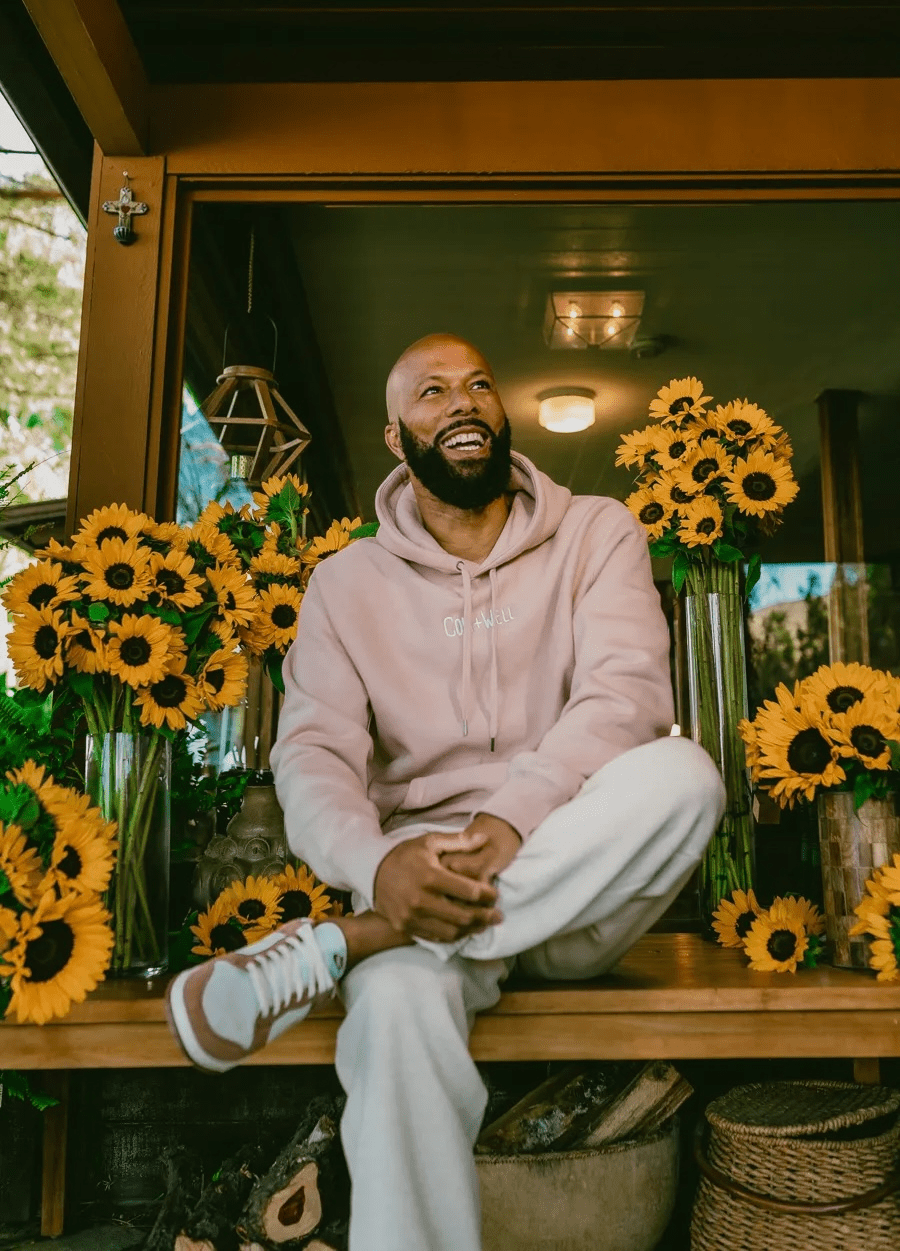
In 2007, the artist founded the Common Ground Foundation, a charitable organization that supports youth from underserved communities in Chicago and other U.S. cities. The foundation provides opportunities for education, leadership development, and participation in arts and sports projects, while also fostering creative self-expression among teenagers. The organization’s main goal is to help young people find their own voice, realize their potential, and avoid the pitfalls common in at-risk neighborhoods.
Common actively participates in social campaigns dedicated to fighting racial discrimination, violence, and social inequality. The artist also produces films and music projects that raise social issues and invigorate the U.S. cultural scene. For example, he was involved in the creation of the documentary 13th, which analyzes the history of the prison system and racial inequality in America.
In September 2011, Common released his first memoir, titled One Day It’ll All Make Sense. In the book, he openly shares personal experiences and life lessons, with a special focus on how his close relationship with his mother shaped his worldview and priorities. Eight years later, in May 2019, Common released his second memoir, Let Love Have the Last Word, taking another step in his personal and emotional journey. In this book, he discusses his relationship with his daughter, Omoye, and shares reflections on romantic relationships and the importance of family support.