

One of the 20th century’s most influential stand-up comedians, he single-handedly reshaped American comedy forever. His performances were known for their raw honesty, sharp wit, and an uncanny ability to tackle tough social issues—from racial inequality to personal struggles—without ever losing the ability to entertain. So, how did he do it? Read on at chicagovski.com to find out.
Biography
Richard Pryor was born on December 1, 1940, in Peoria, Illinois, into a challenging environment. His childhood was spent in a poor Chicago neighborhood that, at the same time, was a vibrant hub of African American culture, music, and theatrical traditions. This starkly contrasting atmosphere, full of both hardship and lively cultural experiences, profoundly shaped his creative personality. His parents separated, and he was raised by his mother and grandmother, who encouraged his interest in the arts and supported his participation in school plays and community events. From an early age, Pryor showed a natural talent for comedy, mimicking hosts, actors, and inventing jokes for friends and family.
As a teenager, Richard started writing his own material, experimenting with humor, satire, and personal stories. He honed his observational skills, developed a keen sense of irony, and learned to tackle complex social issues. These early experiences laid the foundation for his unique style, which blended a sharp social critique with personal candor and a natural comedic gift.
A Career in Comedy
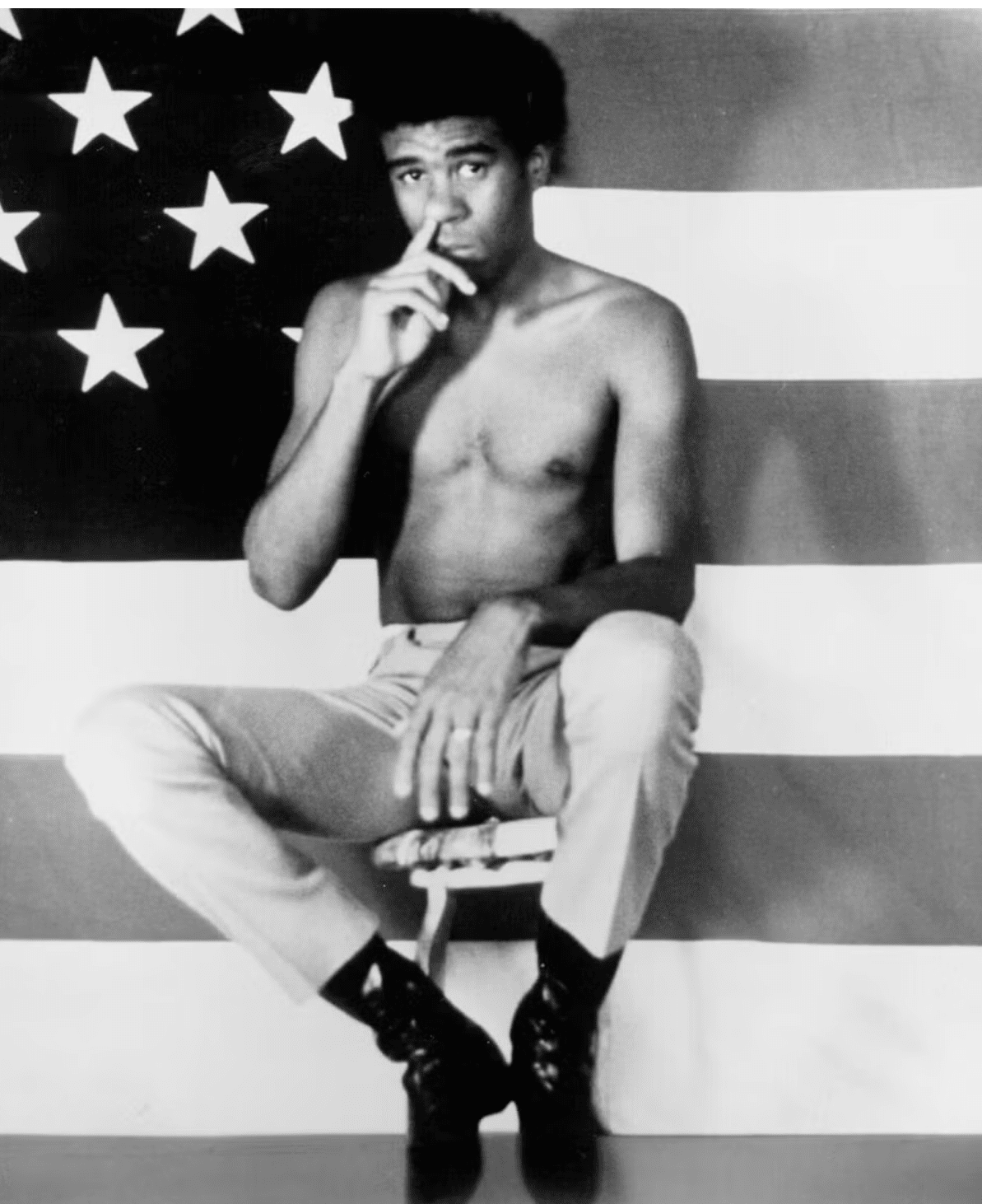
Richard Pryor’s professional career began in the 1960s in clubs across Chicago and New York, where he performed for small but demanding audiences. Early on, he made appearances on television shows and comedy programs, performing lighthearted jokes and skits. However, it didn’t take long for Pryor to realize that his most powerful voice was in stand-up, which gave him the freedom to speak his mind on race, politics, poverty, and the Black experience in America. His initial stand-up sets were marked by their sincerity, personal honesty, and biting social satire. Pryor masterfully wove comedy with dramatic elements, often using his own life as material for humor that was both hilarious and deeply poignant. This approach made his work incredibly powerful and influential. His early stand-up recordings, including albums and TV specials, quickly captured the attention of critics and fellow comedians.
Stand-Up
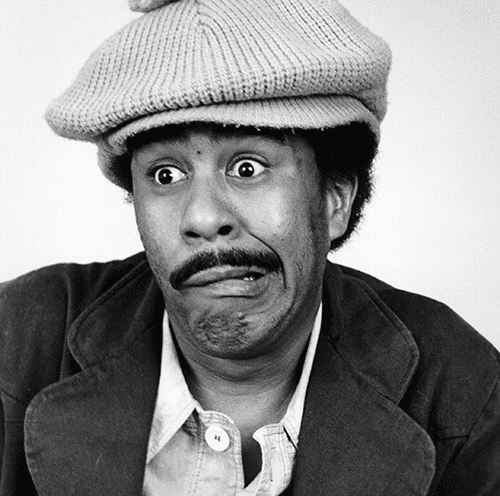
Richard Pryor is widely regarded as one of the most influential stand-up comedians of the 20th century. His performances stood out for their unique blend of sharp humor, personal honesty, and social criticism, making them simultaneously funny, emotionally resonant, and profound.
Pryor created a unique style that fearlessly broke taboos, tackling issues like racial inequality, poverty, addiction, and the struggles of Black Americans. His comedy was often rooted in his own life experiences, including his difficult childhood, personal dramas, and battles with addiction. This raw honesty is what made his performances so compelling and influential.
Some of Pryor’s most iconic works include:
- “Richard Pryor: Live & Smokin’” (1971)—One of his first recorded stand-up specials, which revealed his signature style, energy, and ability to blend comedy with social commentary.
- “That Nigger’s Crazy” (1974)—The album that earned him his first Grammy Award for Best Comedy Album. This record cemented his reputation as a satirist who bravely tackled themes of racism and social injustice, despite the potential backlash.
- “Live on the Sunset Strip” (1982)—A legendary performance where humor was intertwined with Pryor’s personal dramas, including his struggles with addiction and health problems. This special showcased not just the comedian, but a vulnerable human being with deep emotions.
Work in Film and Television
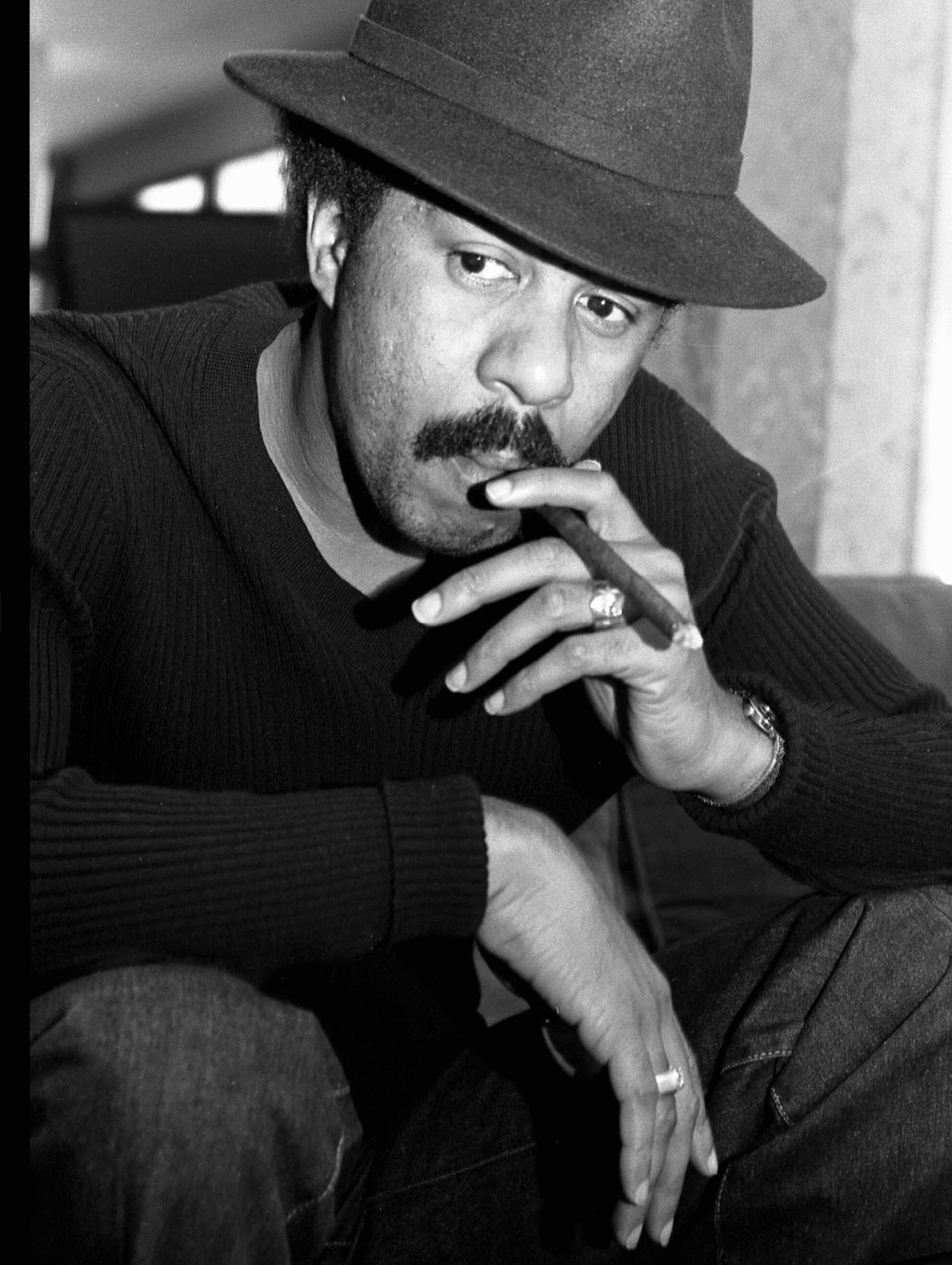
Richard Pryor was also a prolific actor in film and television, which significantly broadened his audience and cultural influence. He starred in numerous comedic and dramatic films, showcasing his singular talent for blending humor with real-life situations and social themes.
Some of his most famous roles include:
- “Silver Streak” (1976)—A comedy-mystery that brought Pryor to a wider audience. His chemistry with his co-stars and sharp wit made the film a commercial success and solidified his status as a star.
- “Stir Crazy” (1980)—One of the highest-grossing films of the early 1980s, where he reunited with Gene Wilder. The comedic duo of Pryor and Wilder became iconic, and the film demonstrated his ability to combine physical comedy, satire, and charismatic characters.
- “Brewster’s Millions” (1985)—A comedy that highlighted his talent for infusing everyday situations with humor. Pryor showed how satire and comedy could be used to shed light on social and economic issues.
Throughout his career, Pryor received numerous awards and accolades. These included Grammy Awards for his comedy albums, lifetime achievement awards in film and television, and honors from comedy associations and cultural organizations. His work transformed the perception of Black comedians in the United States, opening up new topics, forms, and genres for stand-up and comedy in general. Pryor’s influence extended far beyond the stage and screen. His ideas, style, and courage inspired not only comedians but also screenwriters, directors, actors, and artists across various fields. He paved the way for Black entertainers in Hollywood, proving that honest, unfiltered humor can have a powerful cultural and social impact.
Personal Life
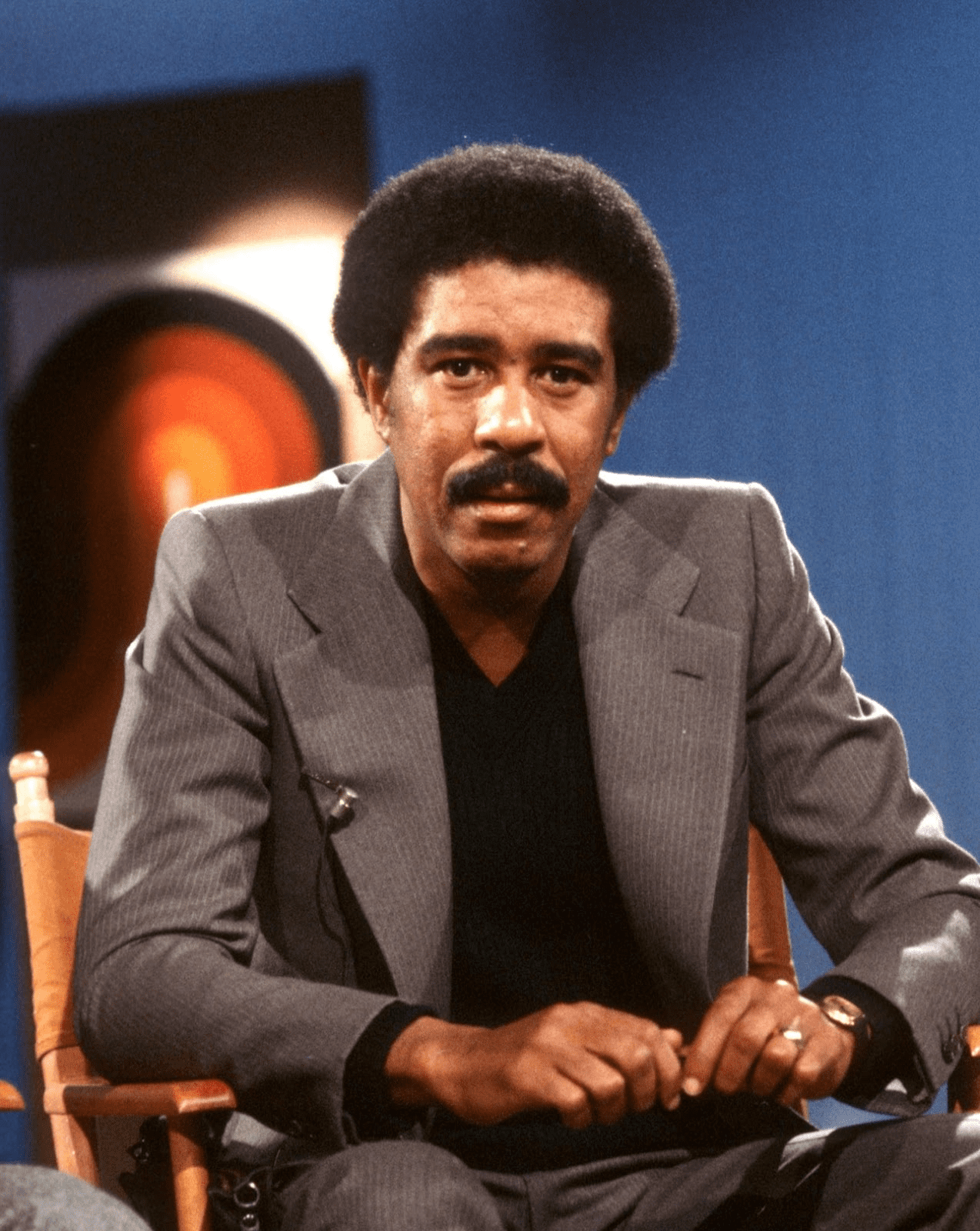
Richard Pryor had a complex and eventful personal life. He was married seven times to five different women and fathered seven children with six women. His relationships were often characterized by public breakups and reconciliations that were frequently discussed in the media. Despite his challenging personality and personal issues, Pryor maintained close relationships with many of his ex-wives and children, who played a significant role in his life.
Richard Pryor passed away on December 10, 2005, leaving behind a legacy that continues to influence global comedy. Nine years after his death, in 2014, Scott Saul’s biography, “Becoming Richard Pryor,” was released. It was the first public mention that the artist had acknowledged his bisexuality. This revelation shed new light on his personality, as he rarely addressed the topic of his sexual identity publicly during his lifetime. In 2018, legendary music producer Quincy Jones and Pryor’s widow, Jennifer Lee, confirmed that Pryor had an intimate relationship with actor Marlon Brando. They also stated that the comedian was open with friends about his bisexuality and did not hide the fact that he had relationships with men. Thus, Pryor’s personal life became part of his image—provocative, honest, and ready to break taboos even off-stage.