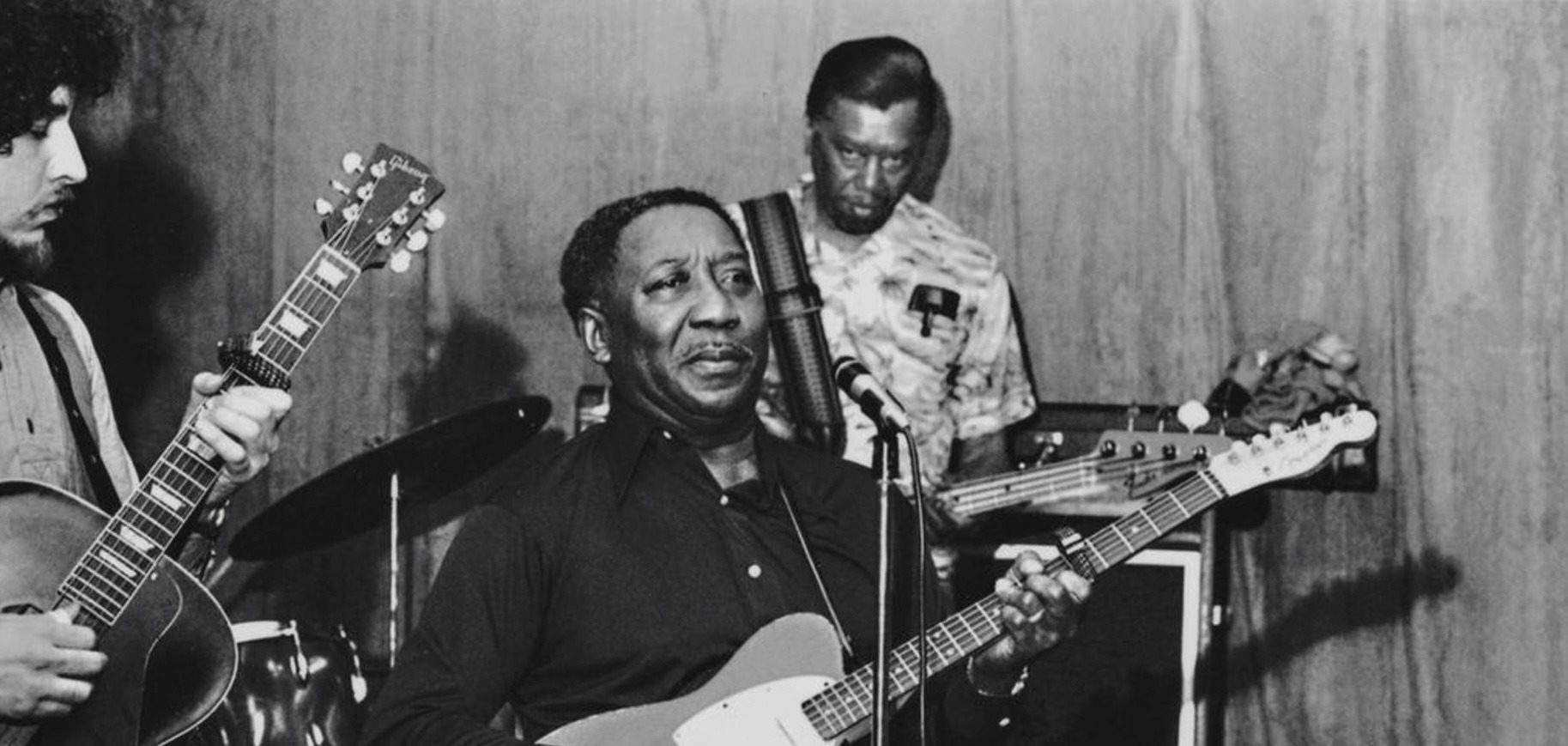
The name Muddy Waters changed the course of music history forever. Revered as the father of modern Chicago blues, he stands among the most influential musicians of the 20th century. His journey began far from packed concert halls and international charts — deep in the cotton fields of Mississippi. Born and raised in the very cradle of Delta blues, he later moved to Chicago and fundamentally revolutionized the American sound. This is the story of how Chicago blues grew into a universal global language. Read more on chicagovski.
Who Was Muddy Waters?
Born McKinley Morganfield, he was raised by his grandmother, Della Grant, following his mother’s early passing. She gave the young boy the nickname “Muddy” because he loved playing in the dirt. Over time, “Waters” was added, giving rise to a stage name destined for music history: Muddy Waters. The future musician grew up on the Stovall Plantation near Clarksdale, Mississippi.
The Mississippi Delta was the beating heart of the blues. Here, music was woven into everyday life, reflecting backbreaking labor, love, heartbreak, poverty, freedom, and resilient hope. Waters first picked up the harmonica before switching to guitar. As a young player, he soaked up the styles of older bluesmen, meticulously honing their techniques. Yet Muddy never settled for simply preserving the past. His greatest breakthrough was reinventing traditional roots music and adapting it to the pace of the modern city.
A defining milestone in his life came in the early 1940s. In 1941, renowned American folklorist Alan Lomax visited the region to document traditional folk music for the Library of Congress. During his field work, Lomax and his team recorded McKinley Morganfield, who was then completely unknown to the wider public. For Waters, hearing his own recorded voice and guitar was a life-altering revelation.
The Move to Chicago
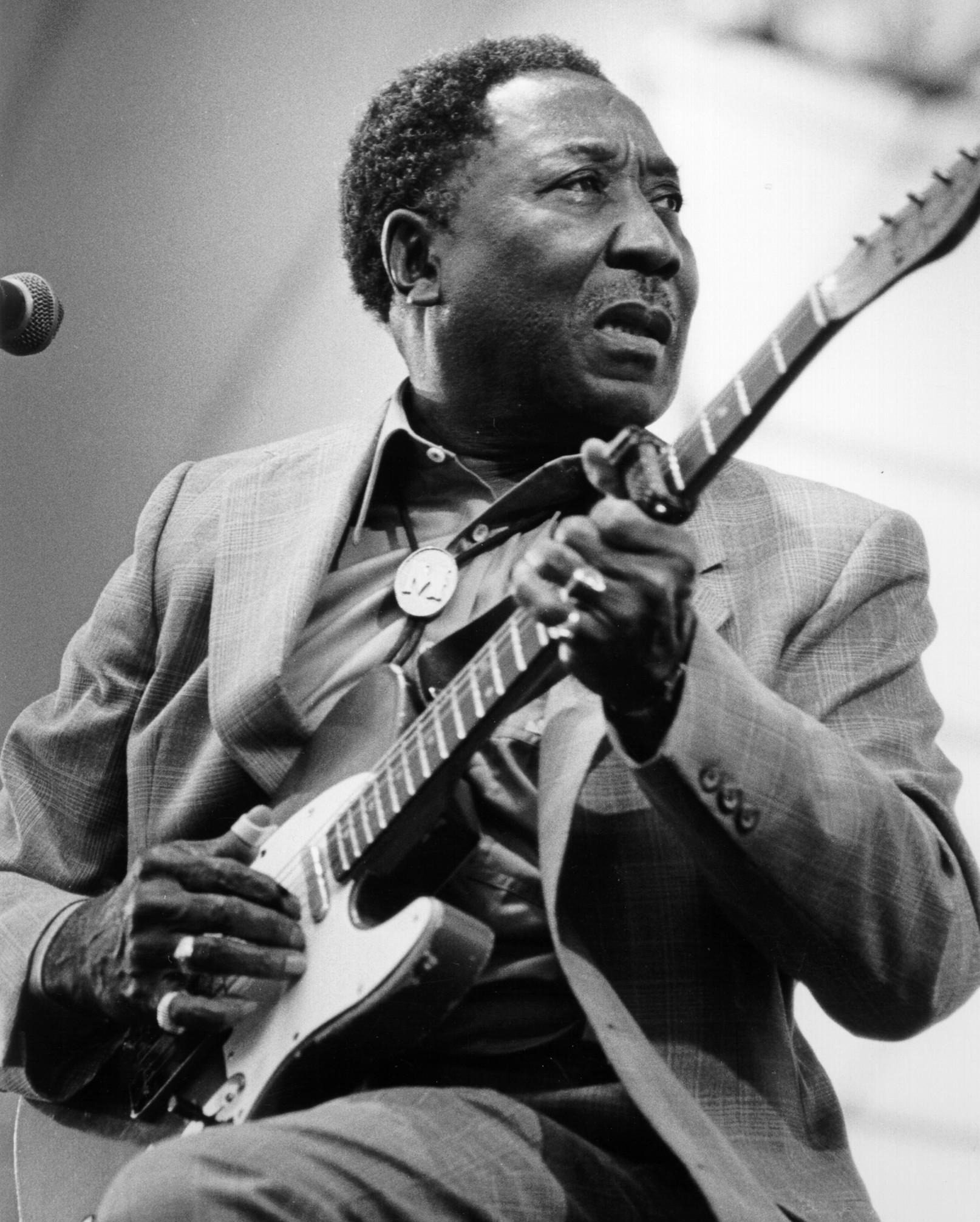
In 1943, Muddy Waters moved to Chicago. The move marked a turning point not just in his life, but in the entire history of the blues. In the mid-20th century, Chicago was a booming industrial powerhouse, drawing thousands of African Americans from the South during the Great Migration. As families relocated, they brought their music with them. However, traditional acoustic blues — born on front porches and in small Southern juke joints — could not keep up with the urban rush. In Chicago’s packed, raucous clubs, an acoustic guitar simply got drowned out. The music needed volume and punch. That was when Waters made his boldest move: plugging in an electric guitar and amplifier. He worked a factory job by day and played gigs at night, gradually forging his signature style. Soon, he was pioneering an electric blues sound that became the sonic hallmark of the city.
Waters was a prime architect of this new urban sound. Amplifying the guitar was only the beginning; he also built a powerhouse band around it. Harmonica, drums, piano, and bass locked into a dense, hard-driving groove. This electrifying ensemble style came to be known as Chicago blues.
Its defining hallmarks included:
- electric guitars and cranked amplifiers;
- a driving, propulsive rhythm section;
- a loud, layered full-band sound;
- expressive, soaring slide guitar playing;
- a seamless fusion of Delta roots with urban swagger.
In the late 1940s, Waters signed with Aristocrat Records, run by brothers Leonard and Phil Chess. The label soon rebranded as Chess Records — a legendary powerhouse that would shape the landscape of blues, rock ’n’ roll, and American popular music. It was at Chess that Muddy Waters recorded his most immortal tracks.
While his catalog is vast, several tracks stand as monumental milestones. “Rollin’ Stone” became one of his most iconic recordings. In fact, British rock royalty The Rolling Stones took their name directly from this song — a testament to his profound influence overseas. The track has since been inducted into the Grammy Hall of Fame. Another masterclass in Chicago blues was “Hoochie Coochie Man”, penned by Willie Dixon. Its instantly recognizable stop-time riff and swaggering lyrics made it an instant classic. Meanwhile, the high-octane “Got My Mojo Working” revealed a different side of Waters: not just a soulful storyteller, but an explosive, electrifying showman. This track also earned a well-deserved spot in the Grammy Hall of Fame.
Impact on Rock ’n’ Roll and Rock Music
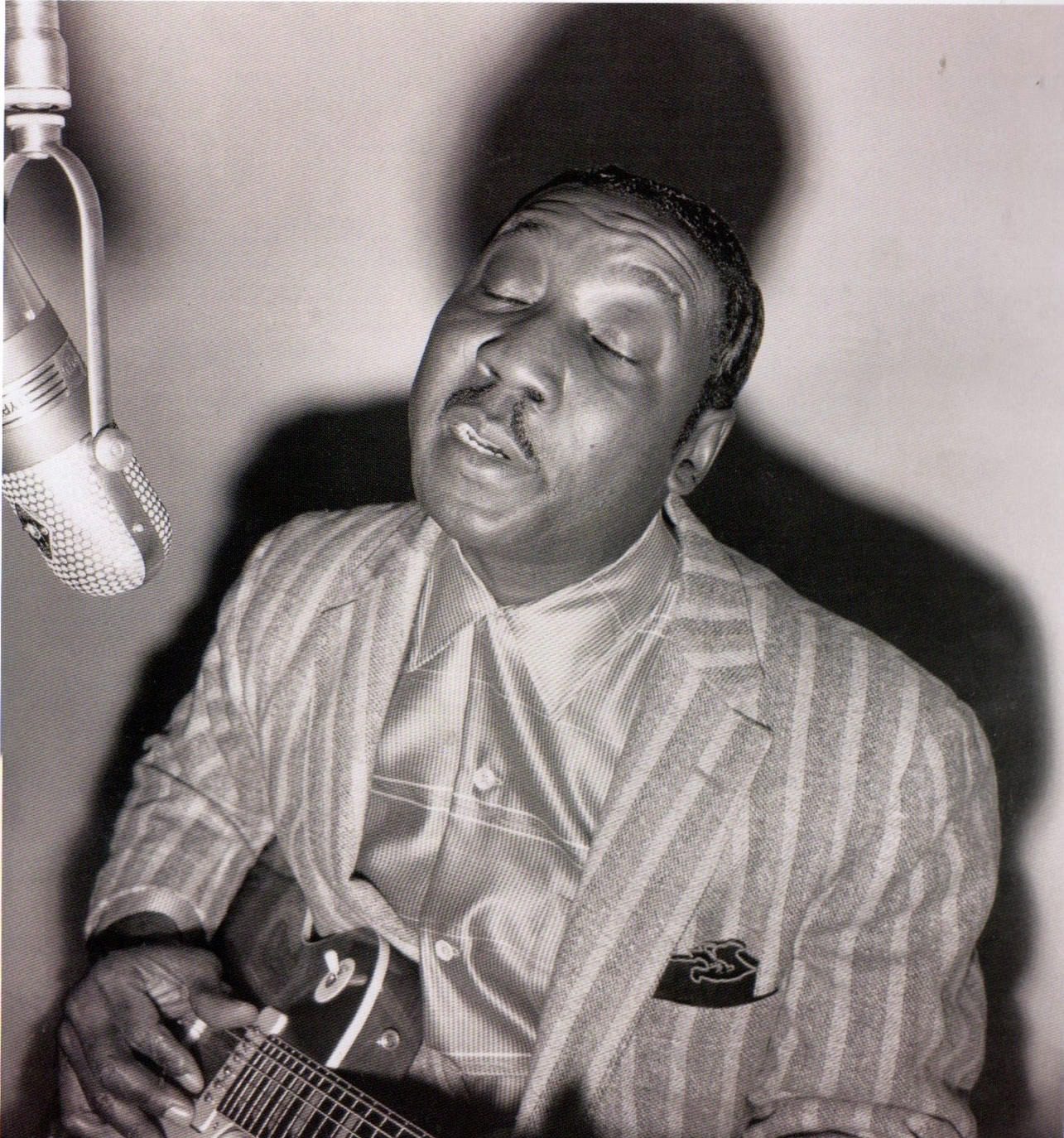
Muddy Waters laid the foundation for rock ’n’ roll, British blues, classic rock, and modern electric guitar playing. Jimi Hendrix revered his work, and Eric Clapton remained a lifelong disciple. Traces of Waters’ sound echo across generations of rock icons. Rather than just copying his riffs, they adopted his core philosophy: that the raw emotional intensity of the blues could breathe life into any new musical form.
In 1963, Waters released Folk Singer, an extraordinary entry in his catalog. Known as the pioneer of loud electric blues, he took a step back to record a stripped-down acoustic album. The record showcased just how deeply anchored he remained in traditional folk roots. Going electric had never been about abandoning his heritage; rather, he navigated both worlds with ease — the intimate acoustic porch songs of Mississippi and the electric roar of Chicago.
By the late 1960s, the music landscape was shifting dramatically. Rock music was caught in a wave of psychedelic exploration, and Chess Records sought to introduce Waters to younger crowds. In 1968, they released Electric Mud. The project veered sharply away from classic Chicago blues, embracing fuzz-drenched psychedelic rock. The album sparked controversy: purists and critics balked at the radical sonic shift, and Waters himself later spoke critically of the experiment. Still, his later career was crowned with high honors, including six Grammy Awards and eleven nominations.
In the 1980s, failing health forced Waters to step back from extensive touring. He spent his final years in Illinois. His last public performance took place in 1982, when he joined Eric Clapton on stage during a concert in Florida. Muddy Waters passed away in his sleep on April 30, 1983, at his home in Westmont, Illinois. He was 70 years old.
Why Is Muddy Waters Called the Father of Chicago Blues?
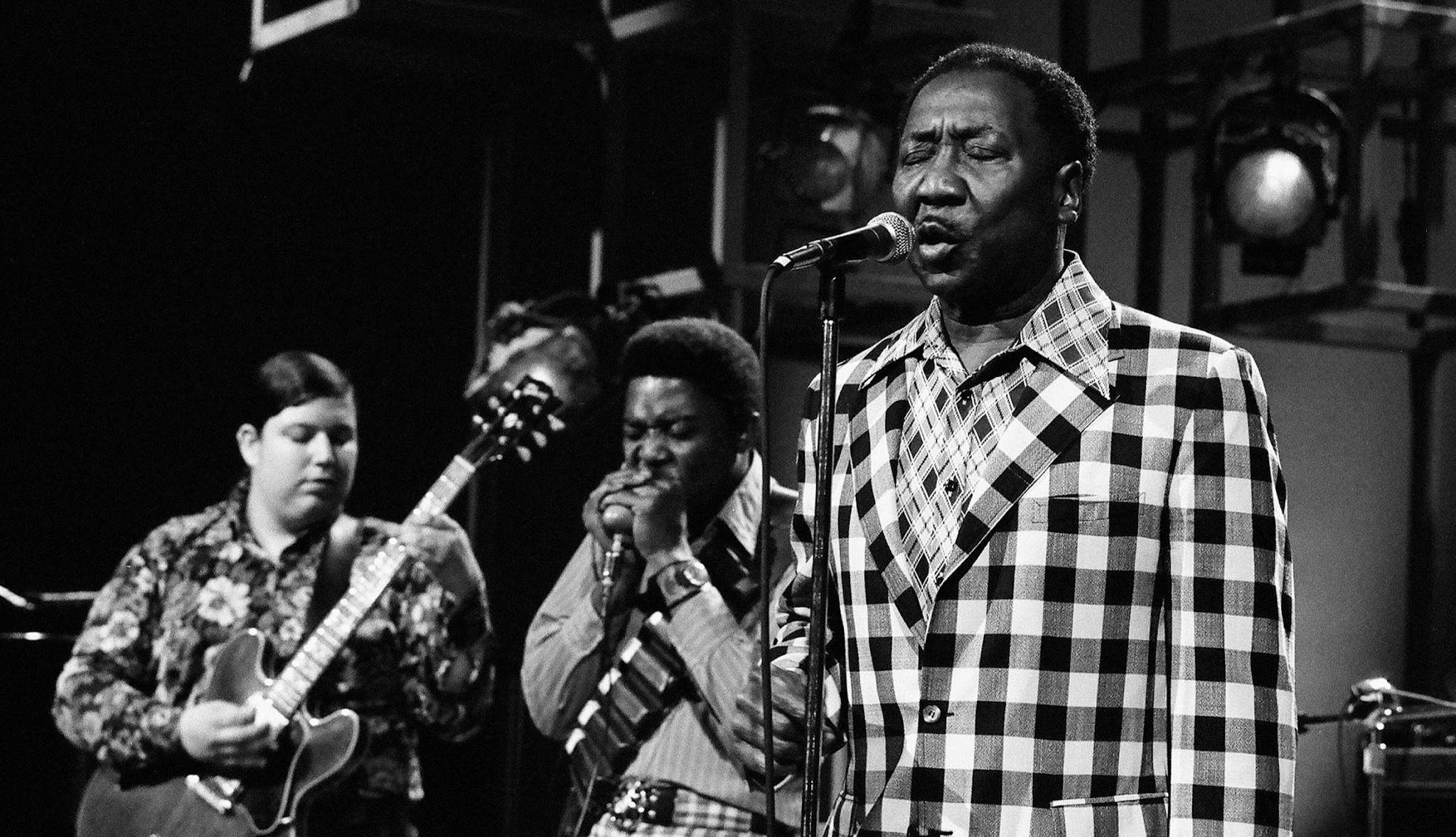
Calling him the “Father of Chicago Blues” does not mean Muddy Waters built the genre alone. The sound was shaped by a whole community of brilliant artists. Yet Waters became its ultimate icon and guiding light. He bridged distinct musical worlds: he carried Delta traditions into an industrial metropolis, established the electric guitar as the beating heart of modern blues, and led an ensemble that served as a finishing school for future legends. He cut records that entered the global canon of musical masterpieces. And that is why history remembers him as the true father of modern Chicago blues.