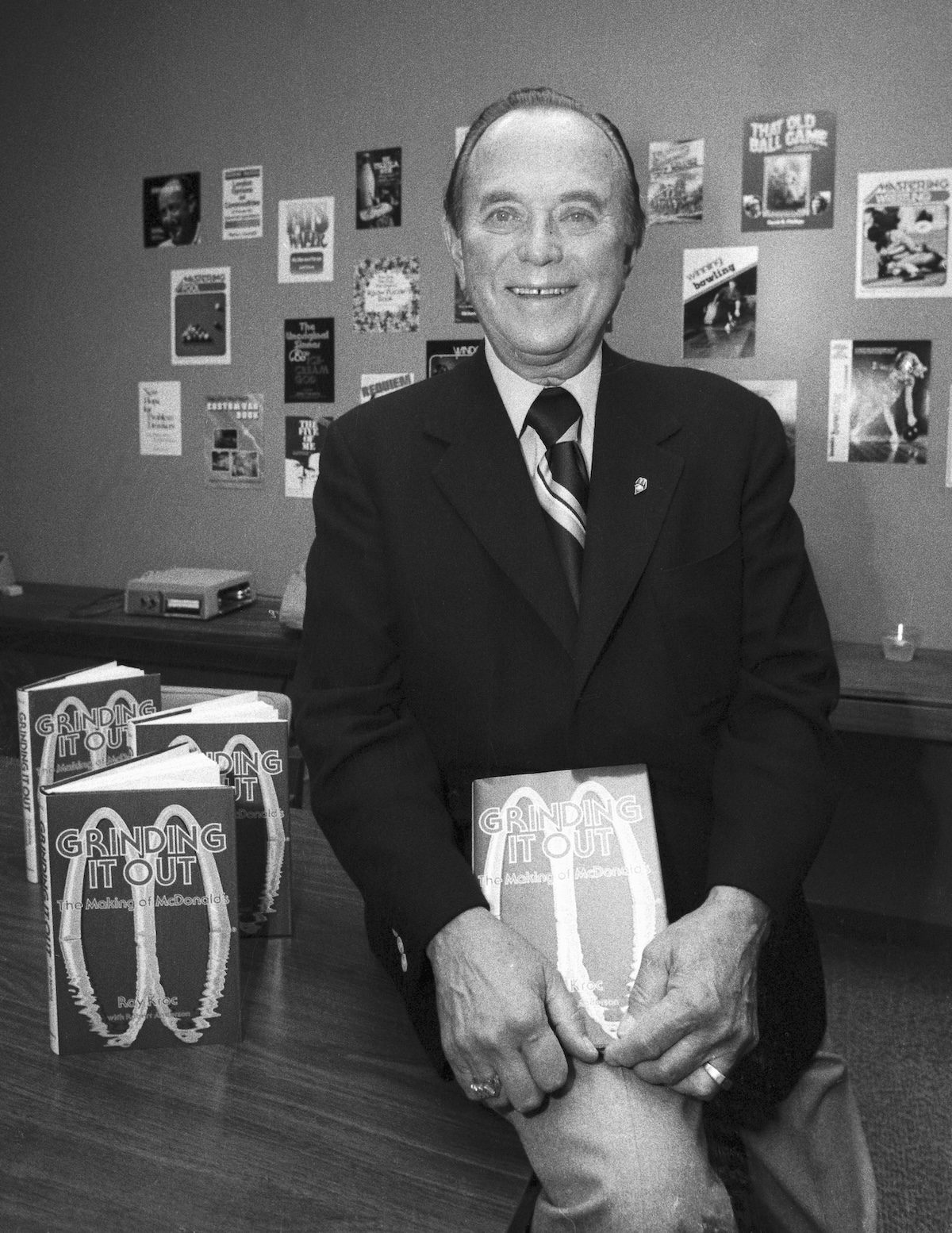

One of the most famous American entrepreneurs of the 20th century, Ray Kroc transformed a small hamburger stand into the colossal fast-food network, McDonald’s. His story is an example of how vision, persistence, and entrepreneurial spirit can change not only a business but an entire global culture of consumption. Read about the path to stardom of Chicago actress Anna Chlumsky, who conquered Hollywood. More at chicagovski.
Biography
Raymond Albert Kroc was born on October 5, 1902, in Oak Park, a town near Chicago, Illinois, to Czech immigrant parents. His parents instilled in him the values of hard work, discipline, and self-reliance. Ray’s father worked in real estate, and the family was financially stable, but Ray showed a desire to achieve his own success from an early age. As a teenager, he was passionate about music, played the piano, and dreamed of the stage. During World War I, at just 15 years old, Ray falsified his documents to join the army—he became an ambulance driver, though he never saw the front lines.
After the war, Kroc searched for his calling in a variety of professions. He worked as a jazz musician, a paper cup salesman for the Lily-Tulip Cup Company, tried his hand as a radio host, and even attempted to study medicine, but abandoned the idea, realizing it wasn’t his path. In the 1930s, he married and started a family, but still lacked financial stability. For the next few decades, Ray continued to work in sales—in particular, successfully selling multi-spindle mixers that could prepare several milkshakes simultaneously. It was this job that ultimately led him to the most crucial meeting of his life: with the McDonald brothers. Although his journey was far from easy, it was his persistence and his ability to see opportunities where others saw routine that shaped him into a businessman. At the age of 52, when most people contemplate retirement, Ray Kroc took the most significant step of his life—he didn’t just start a business; he began building a global empire.
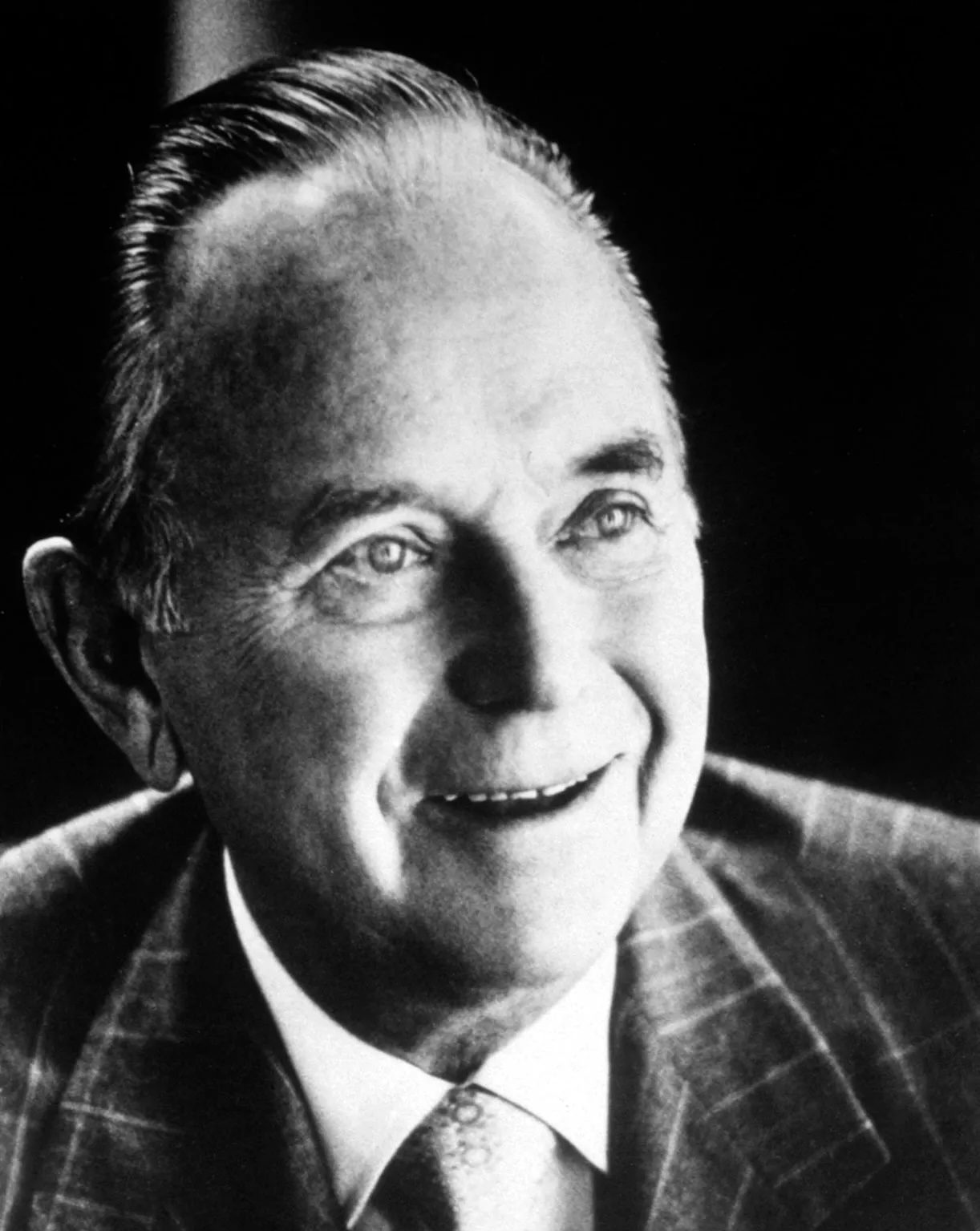
The Meeting with the McDonald Brothers
Upon arriving in San Bernardino, Kroc saw what initially appeared to be an ordinary eatery owned by brothers Richard and Maurice McDonald. Their restaurant operated on a principle they developed called the “Speedee Service System”—a precursor to modern fast food. The essence was a simplified, standardized menu, lightning-fast service, and a precisely organized preparation process. They made hamburgers, French fries, and drinks in minutes. Every employee performed a specific function, much like an assembly line, which minimized service time and reduced costs.
Kroc was impressed not only by the efficiency of this model but also by its potential for scalability. The McDonald brothers were less ambitious: they already had a stable business and were not seeking rapid expansion. After negotiations, Ray Kroc convinced the brothers to allow him to develop the franchising model—opening restaurants under the “McDonald’s” brand while maintaining their unique approach to food preparation. In 1955, Kroc founded McDonald’s System, Inc., which later became McDonald’s Corporation, and opened his first McDonald’s restaurant in Des Plaines, Illinois. This meeting became a turning point not only in Kroc’s life but in the history of the global restaurant business. What started as the curiosity of an equipment salesman transformed into the creation of one of the 20th century’s most iconic brands. Unlike most franchisors of the time, Kroc didn’t just sell the right to use the brand. His strategy was based on strict quality control, the standardization of every aspect of service, and a comprehensive staff training system. He established Hamburger University, where managers and franchise owners learned the McDonald’s standards, guaranteeing consistent operation and taste in every restaurant, regardless of location.
The real breakthrough came with the real estate model Kroc implemented. Instead of simply collecting a percentage of franchise sales, McDonald’s Corporation would buy or lease the land on which partners were allowed to build restaurants. In this way, the company subleased the land to the franchisees and earned stable income from the real estate, independent of the success of any single location. This strategy allowed McDonald’s to control the network’s development, guarantee uniform construction standards, and build an extremely stable financial model that did not rely solely on restaurant profits.
Global Recognition
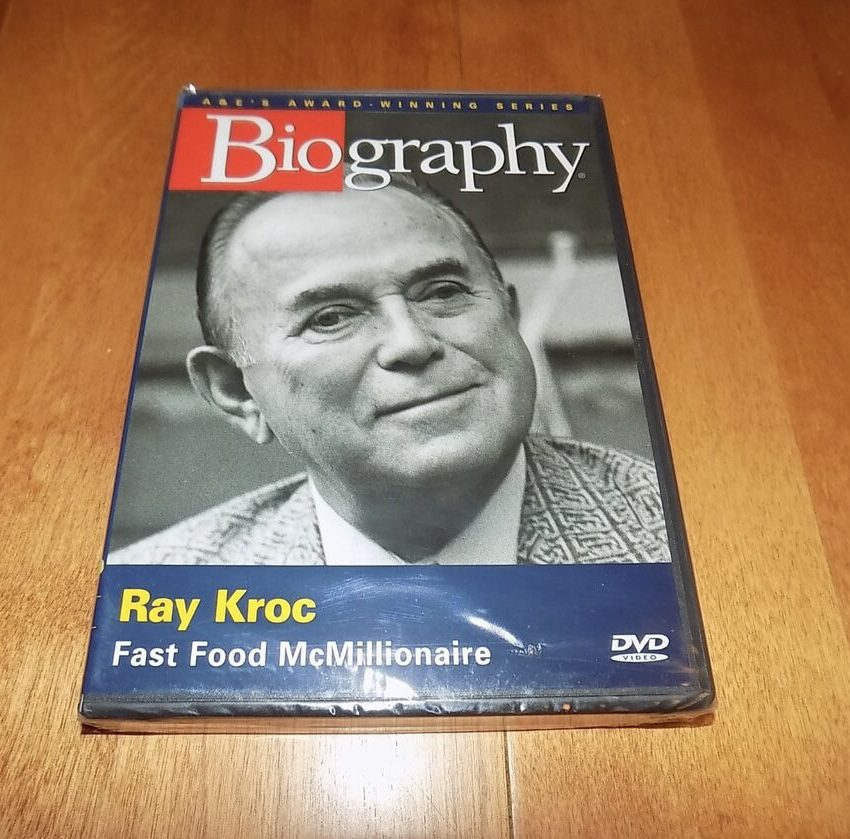
By the late 1960s, McDonald’s had become a national chain. Restaurants appeared across the U.S. and later in other countries. Everything was standardized: from employee uniforms and the color of the walls to the size of the patty and the number of pickle slices on a burger.
This rigid but efficient system yielded fantastic results. By the early 1980s, McDonald’s had become one of the most recognized companies in the world. In 1984, when Ray Kroc died, the chain included more than 7,500 restaurants in over 30 countries, and the “Golden Arches” logo had become a global symbol of fast food.
Kroc’s Principles of Success
Ray Kroc went down in history not only as the businessman who turned a small restaurant into a global empire, but as a visionary who formulated the principles that became the foundation of McDonald’s success. His approach to doing business was revolutionary for its time and became a model for many entrepreneurs. One of Kroc’s main principles was perfection in the details. He believed that the small things—the temperature of the oil, the frying time, the placement of pickles on the bun—determined the overall great result. In his vision, every customer, anywhere in the world, should receive the same hamburger, an identical experience, and impeccable service. Kroc demanded cleanliness in every restaurant, clearly defined service standards, and high-quality ingredients.
Kroc perfectly understood the power of branding. He wasn’t just selling food—he was creating an emotional experience for the customer. It was at his initiative that McDonald’s began an aggressive marketing expansion. The image of Ronald McDonald was created—a friendly clown who became a children’s favorite and the face of the brand. Universal advertising slogans like “I’m lovin’ it” also emerged, working on a subconscious level and building a positive image. The company emphasized a family-friendly atmosphere, affordability, and speed, which attracted customers worldwide.
Philanthropy
Although Ray Kroc himself did not establish a large charitable foundation during his lifetime, after his death in 1984, his third wife, Joan Kroc, took up the initiative. In 1985, she founded the Ray A. Kroc Foundation, which became an instrument for supporting many social, educational, and cultural projects. One of the main areas of philanthropy associated with Kroc’s name was the support of medical institutions. Even in the 1970s, he made generous donations for the construction of hospitals and rehabilitation centers, particularly for war veterans. After his death, the foundation continued this work, focusing on children’s treatment and scientific research in health.
Following Ray’s death, his wife Joan Kroc became one of the most generous philanthropists in the U.S. In 2003, before her own death, she donated $1.5 billion to the Salvation Army—which was the largest private charitable donation in U.S. history at the time. Thanks to these funds, dozens of Kroc Centers were opened—multi-functional community hubs that provide educational, sports, and social services.
Also, discover the history of Chicago’s brewing industry and its modern development.