

As one of America’s most legendary musicals, “Chicago” is a masterclass in satire, jazz aesthetics, and biting social commentary. With music by John Kander, lyrics by Fred Ebb, and a book by Ebb and Bob Fosse, the show transports audiences to the Jazz Age. Based on the 1926 play by journalist Maureen Dallas Watkins, it has become more than just a theatrical phenomenon—it is a sharp critique of a society where crime and celebrity are inextricably linked. Since its premiere, “Chicago” has stood as a definitive symbol of American musical theater. Read more at chicagovski.
The Historical Backdrop
The events that inspired the plot took place in the wake of World War I, a time of rapid social transformation in the United States. It was the era of Prohibition, explosive urbanization, and the shifting role of women following the 19th Amendment. During this time, Chicago was a city of stark contrasts: while economic growth and jazz culture flourished, corruption, organized crime, and media sensationalism simmered just beneath the surface. This volatile atmosphere turned criminal trials into public spectacles, paving the way for stories where the courtroom was just another stage.
At the heart of “Chicago” are real-life legal battles from the 1920s covered by reporter Maureen Dallas Watkins. She chronicled the cases of women accused of murdering their lovers or husbands—cases the press devoured. The defendants were often branded as “Jazz Babies,” symbols of both newfound female liberation and the moral panic of the day. Despite the gravity of the charges, many of these trials ended in acquittals or lenient sentences, fueled by public fascination and sensationalist headlines. This phenomenon of turning criminals into media darlings became the perfect target for the musical’s satirical edge.
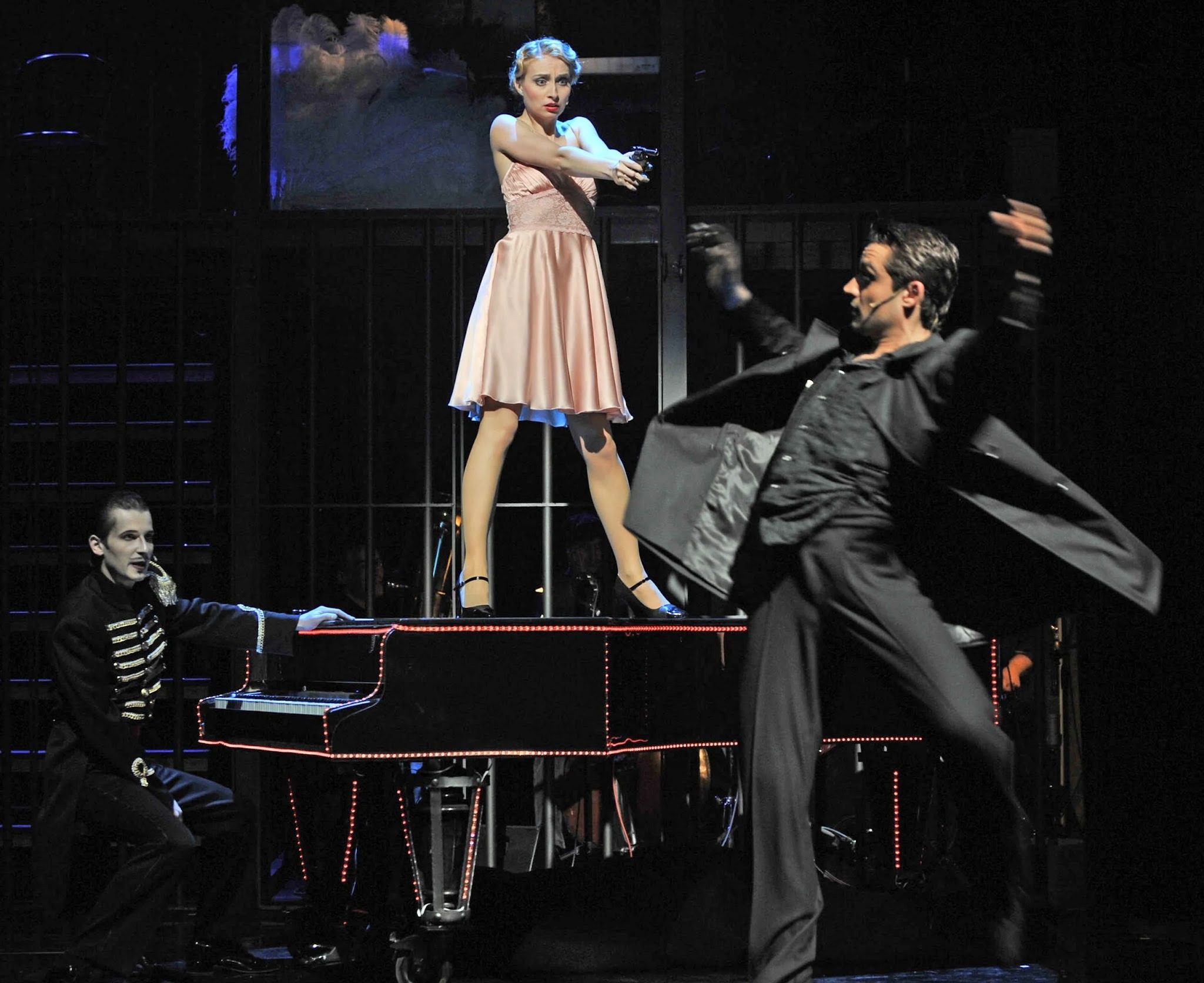
The plot centers on Roxie Hart, a woman who kills her lover and avoids the gallows by turning her trial into a flashy PR campaign. In jail, she meets Velma Kelly, another murderess fighting for the spotlight. Their fate rests in the hands of Billy Flynn, a silver-tongued lawyer who masterfully manipulates public opinion. In Flynn’s world, the truth is secondary to the performance. The musical explores themes of corruption, media manipulation, and the cult of celebrity. Roxie was inspired by the real-life Beulah Annan, while Velma’s character was based on Belva Gaertner. Both were acquitted in real life, only adding to the public’s obsession. Neither hero nor villain, these characters remain strikingly relevant today, reflecting the complicated ways women fight for agency in a world that demands they be “stars” to be heard.
Bringing the Legend to Life
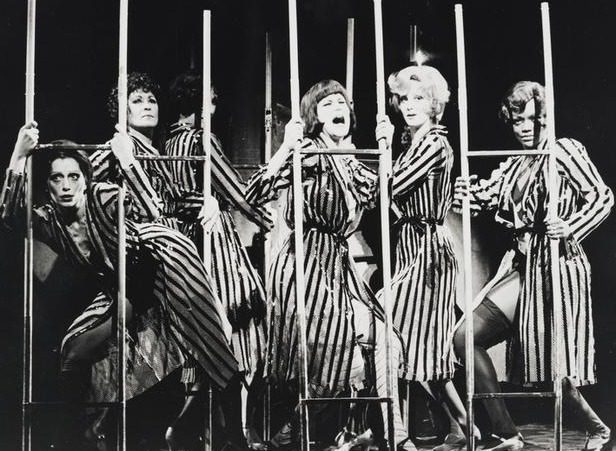
The idea of turning the play into a musical surfaced in the 1960s when actress Gwen Verdon suggested the project to her husband, the legendary Bob Fosse. However, Watkins initially refused to sell the rights. It wasn’t until after her death in 1969 that the project finally moved forward. The creators chose a Vaudeville-style structure, where every number feels like a standalone act. This framing reinforces the show’s core message: in both the legal system and show business, style often trumps substance.
The original Broadway production of “Chicago” opened in 1975 at the 46th Street Theatre, running for 936 performances before closing in 1977. Directed and choreographed by Bob Fosse, the show’s identity was defined by his signature style and the powerhouse performances of Chita Rivera, Gwen Verdon, and Jerry Orbach. While it received positive reviews, it was initially overshadowed by the massive success of “A Chorus Line.” A West End premiere followed in 1979, where it enjoyed a successful 600-show run.
“Chicago” found a second life in 1996 with a historic Broadway revival. This minimalist production was a massive hit with critics and audiences alike, eventually becoming the longest-running revival in Broadway history and surpassing “Cats” in total performances. The revival’s success was largely due to a shift in the cultural zeitgeist; by the late 90s, the public’s obsession with media-saturated trials made the show’s themes feel more prophetic than ever.
Defining Features
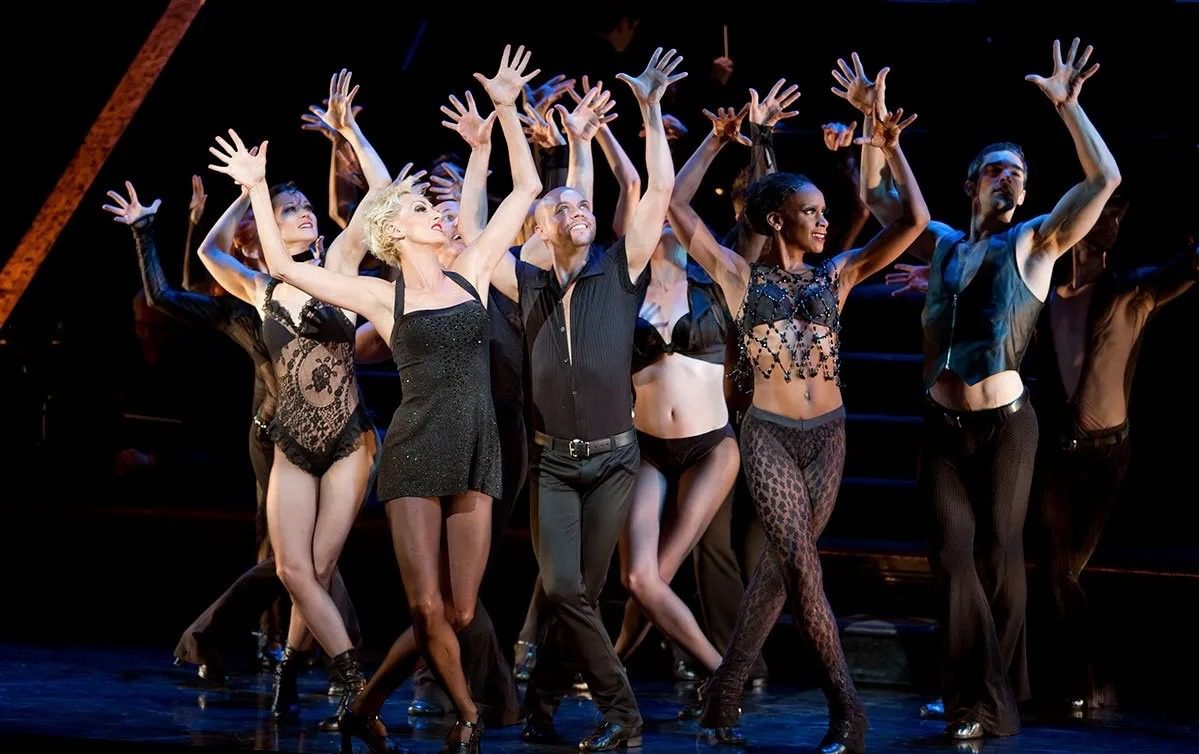
One of the musical’s defining traits is its Vaudevillian structure. Every musical number is a performance within a performance, revealing character depth and advancing the plot through showmanship. Bob Fosse’s choreography—characterized by precise isolations, sleek body language, and stylized movements—became the show’s visual heartbeat. The minimalist staging keeps the spotlight on the music and the actors. Showstoppers like “All That Jazz,” “Cell Block Tango,” and “Razzle Dazzle” have since become quintessential theater classics.
The choreography remains one of the show’s most recognizable elements. Building on Fosse’s foundation, the movement uses the body as a rhythmic instrument, a style that set “Chicago” apart from other Broadway hits and influenced the future of musical theater. Furthermore, the almost complete lack of complex sets forces the audience to focus entirely on the performers and the jazz-infused score.
Despite its stylized nature, “Chicago” draws clear historical parallels. In 1920s Chicago, dozens of similar cases resulted in acquittals. However, the creators leaned into satire rather than documentary realism. By using theatrical exaggeration, they highlight how society consumes crime as entertainment. The musical language is rooted in jazz—the genre that defined the era’s spirit of improvisation, rebellion, and freedom. In “Chicago,” the rhythm doesn’t just accompany the story; it drives the narrative.
The Big Screen and Beyond
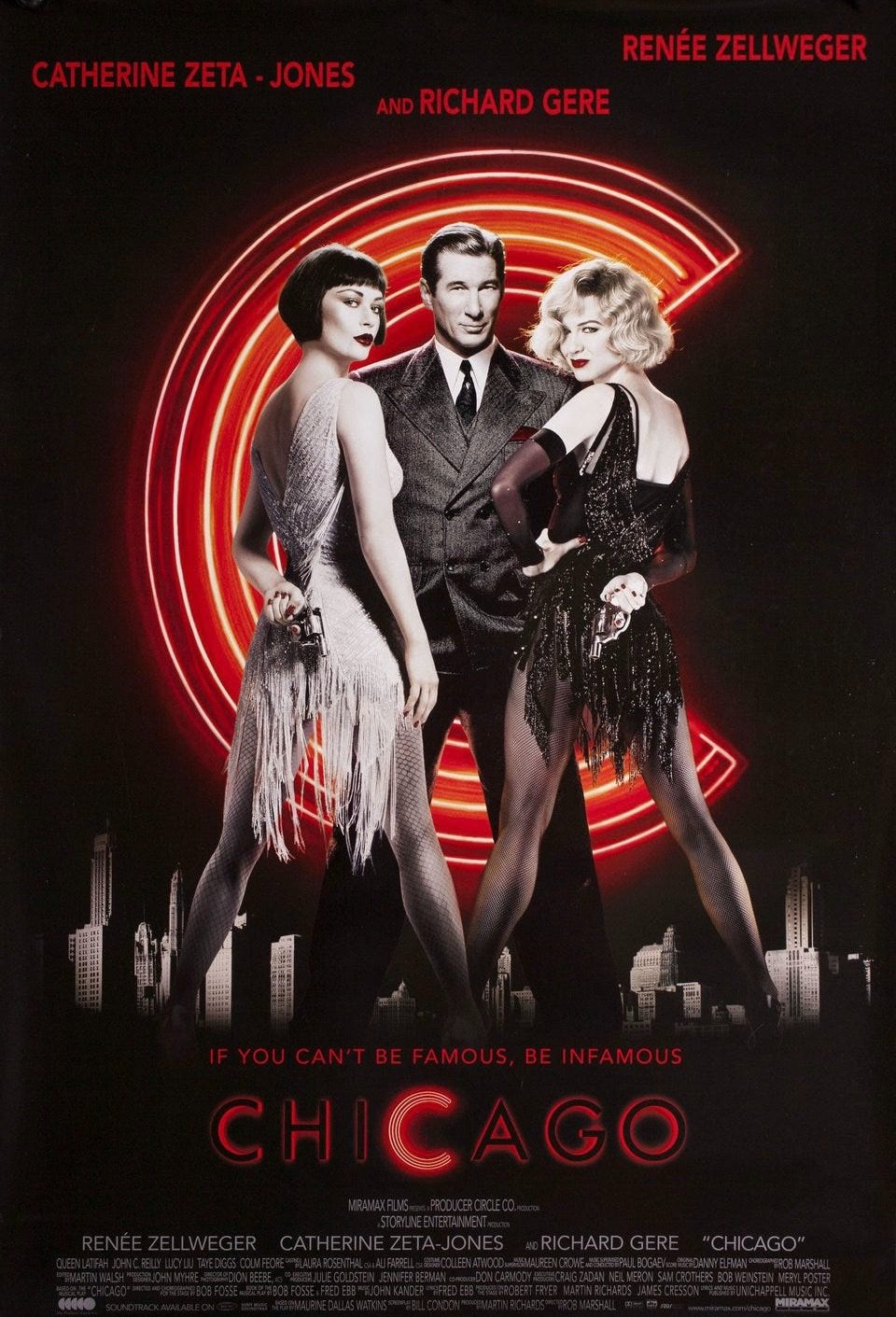
In 2002, the story transitioned to the silver screen. The film adaptation of “Chicago” was a massive commercial success and a critical darling, winning six Academy Awards, including Best Picture. This helped the story transcend the stage, cementing it as a global cultural phenomenon.
“Chicago” has since been staged in dozens of countries, from Japan and France to Australia and South Korea. It continues to tour regularly across the U.S. and the UK, remaining fresh and relevant for new generations of theatergoers.
At its core, “Chicago” is more than just a musical; it is a profound social satire exploring the intersection of crime, media, and fame. Its universal appeal and enduring relevance have made it one of the most successful and influential works in theatrical history. It serves as a reminder that while society evolves, our hunger for sensation and human drama remains unchanged.