

The annual parade and festival takes place on the South Side of Chicago late in the summer. It’s dedicated to honoring the African-American community and marking the students’ “back-to-school” return. Since its founding in 1929, it has grown into one of Chicago’s oldest and largest civic events—an institution that blends family fun, musical performances, high school band competitions, youth awards, and community initiatives. More on chicagovski.
The Parade’s Roots
The tradition began in the late 1920s at the offices of the Chicago Defender newspaper, led by publisher Robert S. Abbott. In 1923, the paper introduced a special youth column under the pseudonym Bud Billiken—a fictional guardian character for children. By 1929, the club associated with the name had become so popular among African-American children in Chicago that Abbott decided to establish the parade as “A Day for the Children.” The goal was to give young people a chance to celebrate, be recognized, receive support, and feel a sense of pride. The name “Billiken” comes from a popular symbol of the time (a billiken is an imaginary “guardian of happiness/childhood”), and the “Bud Billiken” column in the Chicago Defender served as the inspiration for the parade’s name. It has been held every year since 1929.
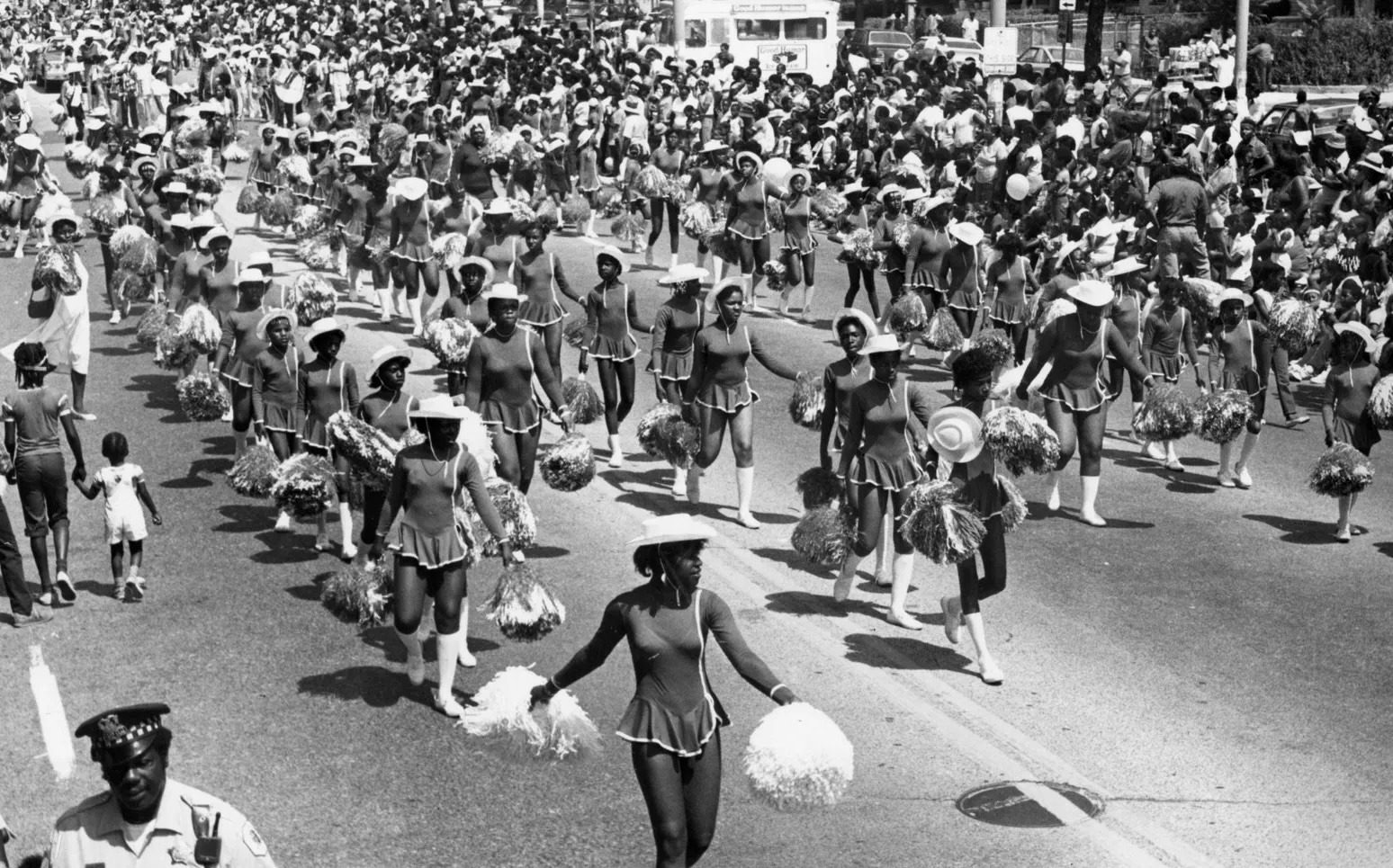
Route, Format, and Program
The parade’s traditional route travels down Dr. Martin Luther King Jr. Drive (formerly South Park Boulevard) through the historic Bronzeville neighborhood and concludes at Washington Park with a massive picnic celebration. The “Bud” covers roughly two miles and features hundreds of participants, including marching bands, cheerleading squads, dance and drill teams, automobiles, and themed floats. Following the procession, a large “Back-to-School Festival” takes place, featuring concerts, volunteer distributions of school supplies, and family-friendly activities. Organizers work closely with the Park District, city officials, police, and fire departments to ensure smooth logistics and safety.
The Bud Billiken Parade is more than just a celebratory event; it’s a vital cultural platform for Chicago’s African-American community. The parade places a strong emphasis on education, with one of its main objectives being to prepare children for the new school year. This is often achieved through distributing backpacks and school supplies, educational initiatives, and grants for youth arts groups. Additionally, the “Bud” acts as a platform for promoting local artists, supporting youth programs, and fostering unity within the city.
Over the decades, the parade has been attended by and featured countless notable figures—politicians, artists, and athletes. Among the names associated with the “Bud” are historical legends (such as Louis Armstrong and Duke Ellington) and modern celebrities (including Oprah Winfrey and Chance the Rapper). The event appoints honorary grand marshals and crowns a parade “King” and “Queen.” The parade attracts hundreds of thousands of live spectators and millions of media views, and it annually provides financial support to youth teams and scholarships. The “Chicago Defender Charities” also coordinates the school supply giveaway program and activities focused on youth education and development. The 96th edition of the parade took place in 2025. The route spanned from 35th Street down MLK Drive to Washington Park, with the parade kicking off at 10:00 AM. Organizers announced the event’s theme as “Road to 100 Years,” focusing on the future, heritage, and community unity.
Like many traditional, large-scale public events, the Bud Billiken faces various operational challenges: managing large crowds, securing funding, ensuring safety, and adapting to contemporary media landscapes. Despite this, organizers prioritize preserving the parade’s historical meaning—supporting youth and celebrating cultural identity.
Community Significance
The Bud Billiken Parade and Picnic is far more than just entertainment; it holds deep symbolic and social significance. It is a unifying platform for Chicago’s African-American community, offering youth an opportunity to feel valued and seen. The parade also serves as a “back-to-school marker”—symbolizing the end of summer and the start of the academic year, motivating students toward education and achievement. Due to its popularity and scale, it supports creative, dance, musical, and civic initiatives. The parade provides a stage for talented teenagers and children to showcase their abilities and express community solidarity and pride.
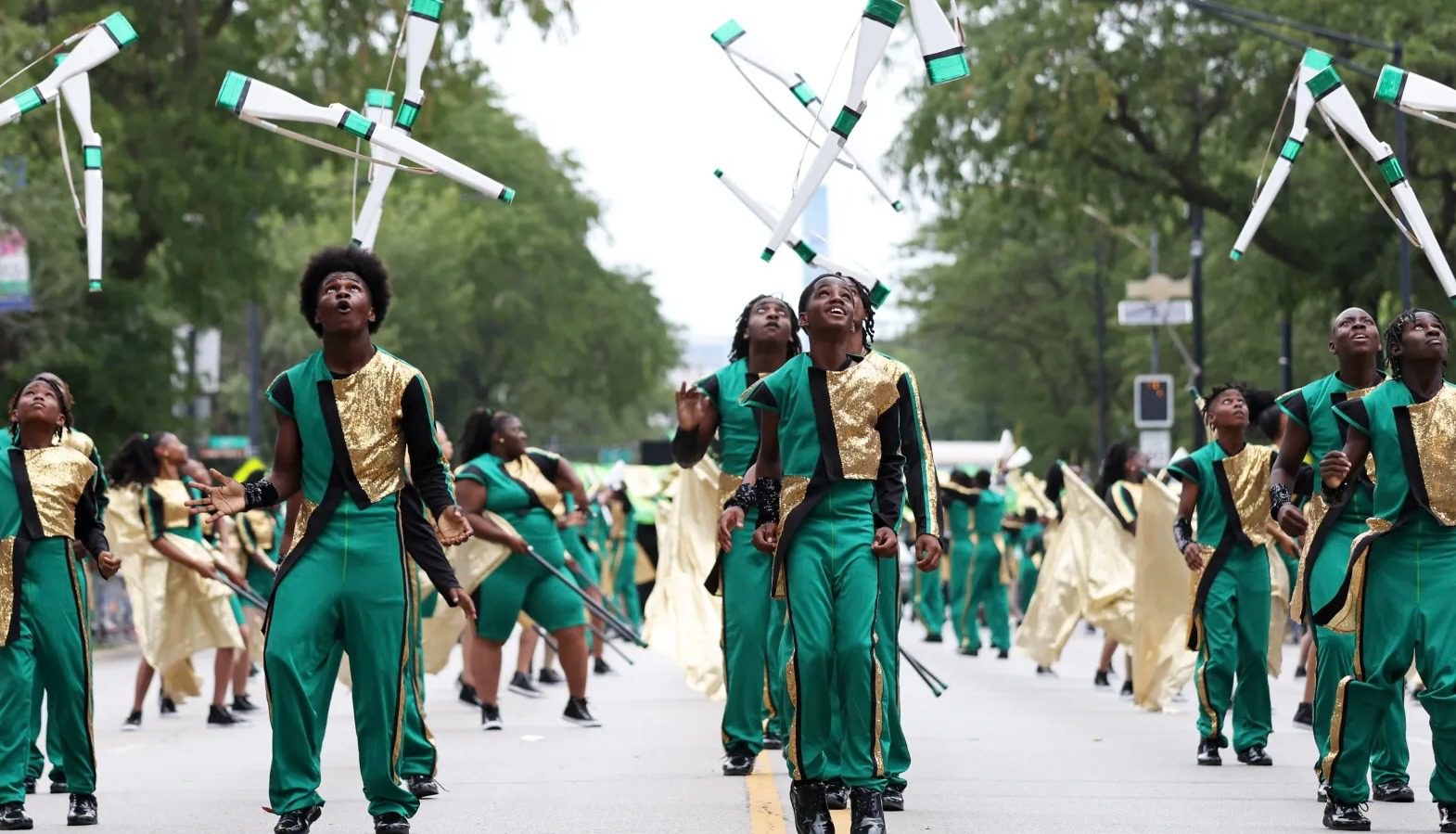
How to Attend the Parade
The parade traditionally takes place on the second Saturday of August, but the exact date should be verified each year on the official website or in city announcements. Consult the route maps on the official website—the most active part of the route is typically between 35th and 55th Streets along Dr. Martin Luther King Jr. Drive, with Washington Park serving as the final location for the picnic and concerts. Check the guidelines for participants and spectators (what items are permitted, seating locations, curfews for setting up tents, etc.) on the official website or in the “Parade Participant Guidelines” section.
The Bud Billiken Parade and Picnic is more than a parade: it is a living archive of Chicago’s African-American community history, a platform for supporting youth, and a celebration of culture. The event dates back to 1929, and its modern format blends tradition, family values, and social initiatives, making the “Bud” an essential part of Chicago’s civic calendar. For those planning to attend or cover the event, the most accurate and up-to-date information should be sought from the official organizers’ website and local media ahead of the second Saturday of August each year.