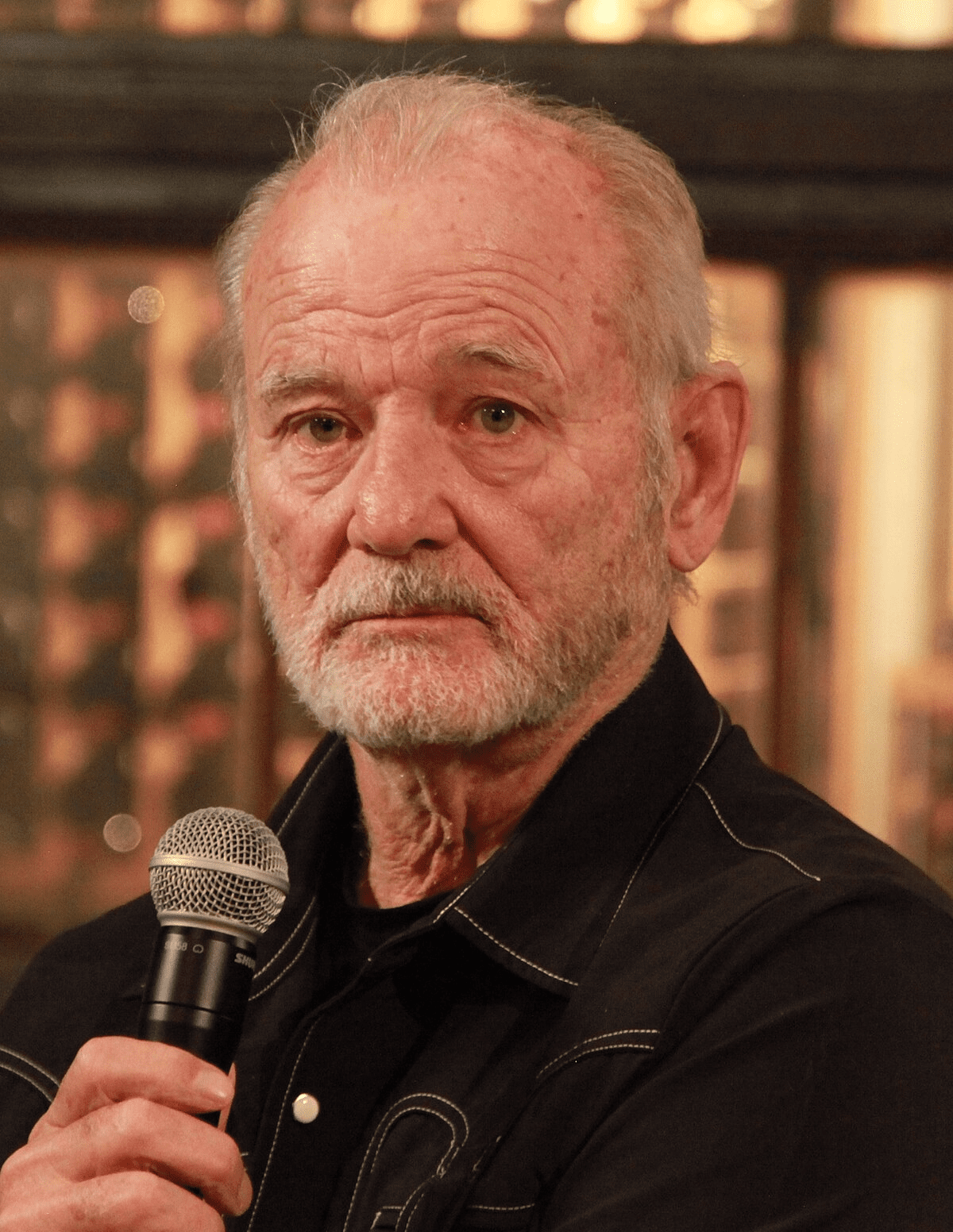

Bill Murray is an iconic American comedic actor whose unique blend of humor, irony, and improvisation has made him one of the most influential figures in film comedy of the 20th and 21st centuries. His roles combine effortless sarcasm and wit with a surprising depth of character, while his unpredictable style and charisma have earned him a special place in the hearts of audiences worldwide. More at chicagovski.com.
Early Life
Born on September 21, 1950, in Illinois, Bill Murray grew up in a large family with eight siblings. From an early age, he learned to find humor in everyday situations and cope with life’s challenges through self-deprecating wit. His natural charisma, stage presence, and ability to entertain others were evident even as a child. Bill was an active participant in school plays, comedy sketches, and local amateur productions, where he honed his improvisation skills. Living in a bustling household with brothers and sisters fostered his keen sense of observation and his knack for spotting the funny moments in daily life—a quality that would later become the foundation of his comedic style. Simplicity, authenticity, self-irony, and a sharp eye for detail have remained the core elements of his work.
Bill Murray enrolled in medical college in Colorado, but his heart wasn’t in it. He rarely attended classes, lived a carefree lifestyle, smoked marijuana, and often found himself in trouble with the law. A particularly notable incident occurred at Denver’s airport when he jokingly claimed to have a bomb in his luggage. Security quickly responded, but instead of explosives, they found drugs. This stunt had serious consequences: Murray was expelled from college.
Following his expulsion, the young Murray returned to his hometown of Chicago. For a time, he drifted through a series of odd jobs without any clear plans for the future. Eventually, fate led him to the renowned Second City improvisational theater and acting school. This proved to be the true launching pad for his career. It was here that Murray discovered his calling as a comedic actor, gained his first stage experience, and began to develop the unique style that would later make him a superstar.
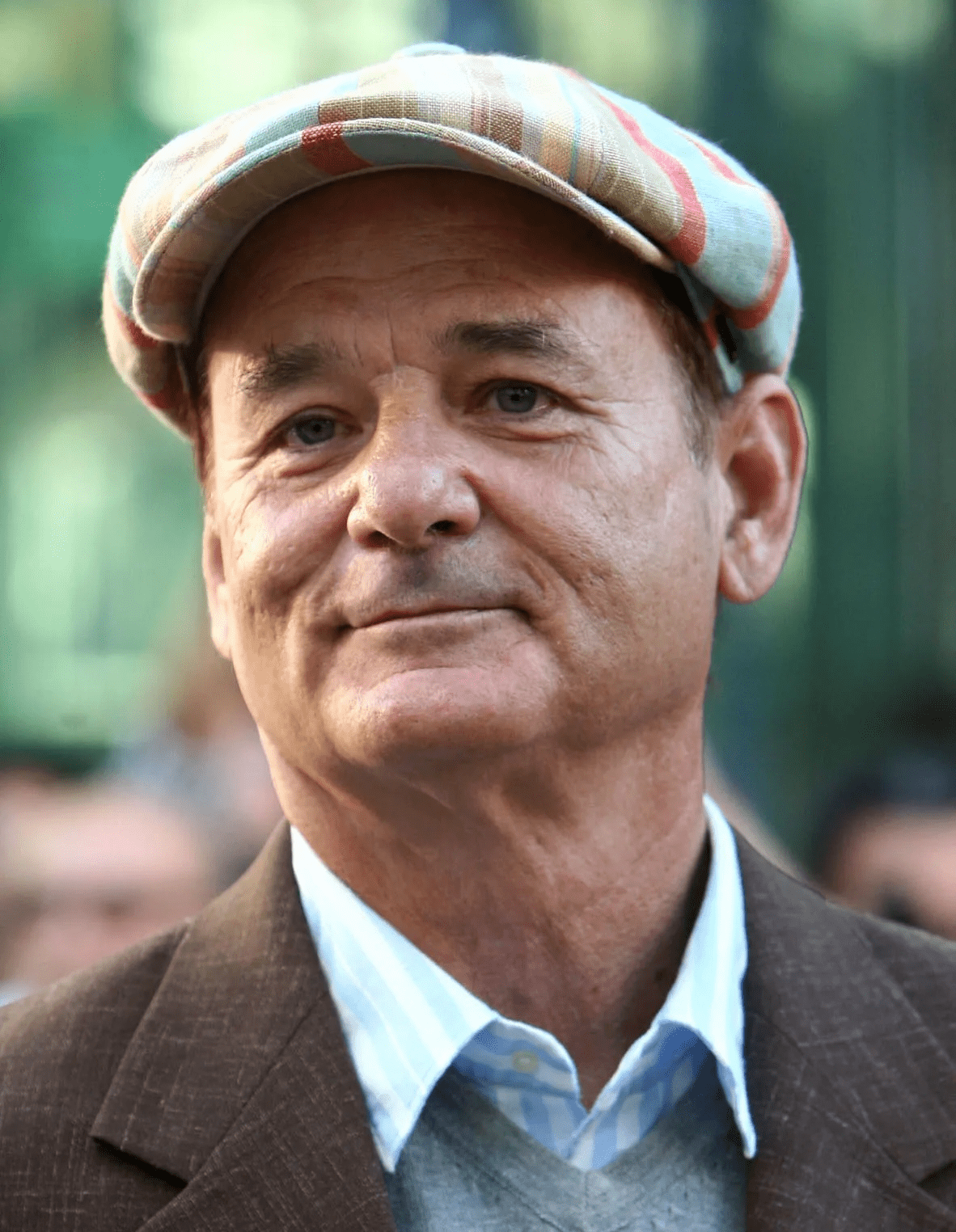
Career Breakthroughs
Bill Murray’s career took off in the 1970s, starting in Chicago’s theater scene where he performed on local stages. Even then, his distinct humor, improvisational skills, and natural charisma captivated colleagues and producers. He actively honed his acting and comedic timing, experimenting with various forms of humor, from satire to physical comedy.
His big break came in 1977 when he joined the cast of the legendary comedy show, Saturday Night Live (SNL). This role not only made him a household name across the United States but also cemented his signature style: a blend of irony, sarcasm, and subtle social satire. His time on SNL opened the door to a major film career and helped Murray establish an image as a comedic actor with effortless charm and a gift for improvisation—a trademark that would define his legacy.
Iconic Film Roles
Bill Murray rose to fame with his roles in comedies, where he combined dry, ironic humor with sharp satire on social and everyday situations. His characters were known for their authenticity and charisma, managing to be both hilarious and deeply relatable—making him one of the most recognizable faces in American comedy.
Some of his most famous films include:
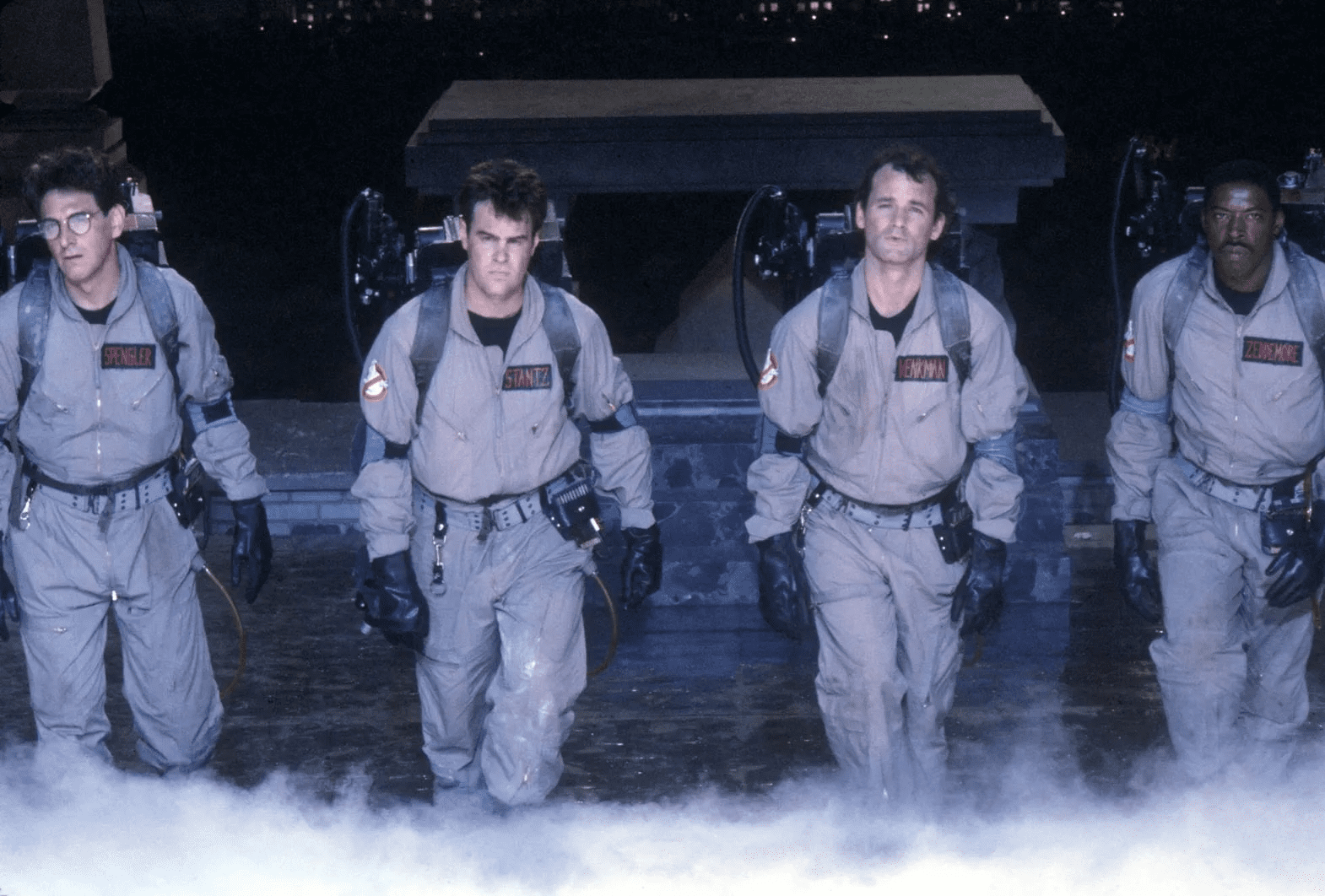
- “Ghostbusters” (1984) – This blockbuster cemented Murray’s status as a top comedic actor of his era. His charismatic, sarcastic hero became a symbol of the 1980s, securing his international stardom.
- “Groundhog Day” (1993) – A classic comedy with a philosophical twist, where Murray brilliantly merged humor with drama. His ability to convey the emotional depth of a character trapped in a time loop made the film a timeless classic for generations of viewers.
- “Lost in Translation” (2003) – This dramatic role, directed by Sofia Coppola, showcased a new level of Murray’s acting prowess. His understated performance, quiet moments, and subtle internal comedy earned him numerous awards and nominations, including a Golden Globe and a BAFTA.
- “Caddyshack” (1980) and “What About Bob?” (1991) – Films that highlighted his talent for creating comedic characters who remain iconic and beloved decades after their release.
Murray also frequently collaborated with director Wes Anderson, appearing in films like “Rushmore” (1998), “The Royal Tenenbaums” (2001), and “The Life Aquatic with Steve Zissou” (2004). In these roles, he demonstrated a unique, intellectual brand of humor, subtle irony, and a charisma that masterfully balanced dramatic and comedic elements.
In 1999, Bill Murray also tried his hand at writing, releasing a book titled “Cinderella Story: My Life in Golf.” The book is part autobiography, part essay, where the actor shares his passion for golf with humor and warmth. Murray recounts childhood memories, tells funny stories from his life, describes his first steps into the world of sports, and explains why golf became a source of joy and inspiration for him.
Legacy and Recognition
Throughout his career, Bill Murray has earned numerous awards and nominations, including a Golden Globe, a BAFTA, and other honors for his contributions to cinema. Murray has become a symbol of American comedy from the late 20th to early 21st century. His work continues to inspire new generations of audiences, actors, and comedians, and his name is synonymous with an honest, sharp, and intelligent humor that both entertains and makes you think.
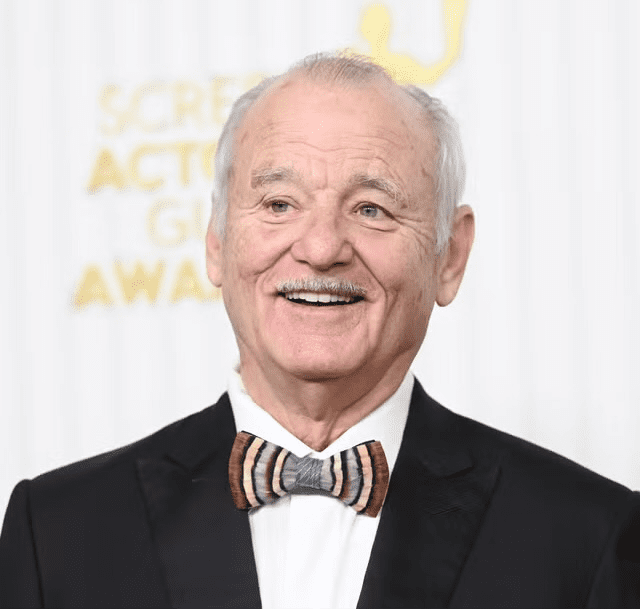
Personal Life
On January 25, 1981, Bill Murray married Margaret Kelly. The wedding took place in Las Vegas, though the couple later held a second ceremony in Chicago to celebrate with family and friends. The marriage produced two sons: Homer, born in 1982, and Luke, born in 1985. However, the union did not last.
Murray eventually left Kelly for Jennifer Butler, with whom he was having a romantic relationship. He officially divorced his first wife in 1996 and married Butler the following year. This second marriage gave him four more sons: Caleb (1993), Jackson (1995), Cooper (1997), and Lincoln (2001). The family seemed stable, but serious problems were hidden beneath the surface. In May 2008, Jennifer Butler filed for divorce, accusing the actor of a range of issues, from infidelity to addiction to alcohol, marijuana, and sex, as well as domestic violence. The legal proceedings were brief; their marriage was officially dissolved on June 13, 2008. This became one of the most difficult and public chapters of Murray’s personal life, significantly impacting his public image.