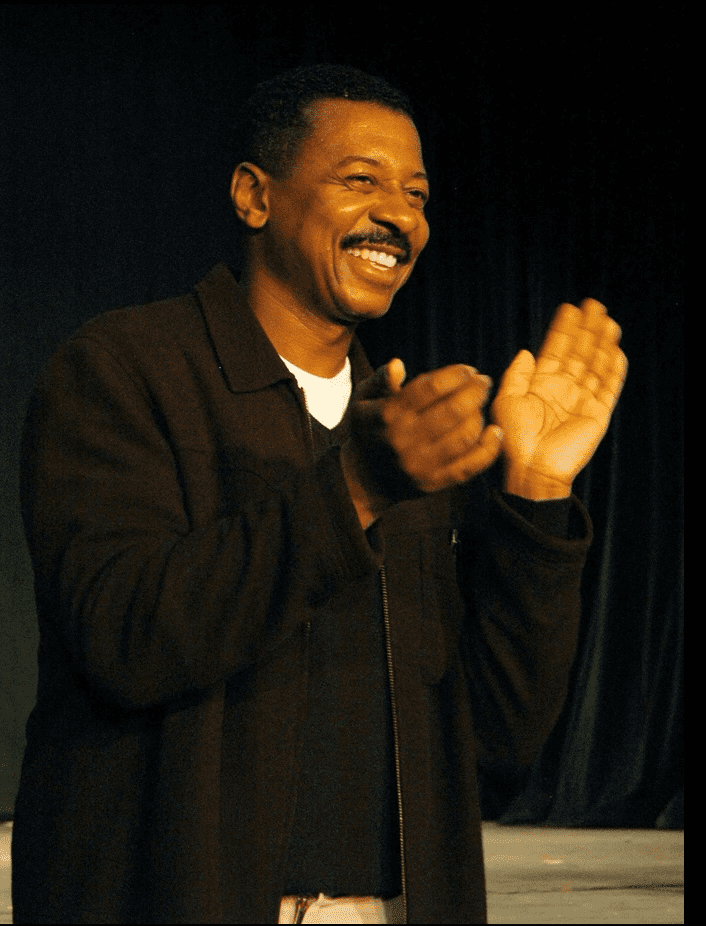

One of the most influential actors and directors of his generation, Robert Townsend seamlessly blended comedy, drama, and social commentary in his work. He was a pioneer of African American cinema, creating films that not only entertained but also raised critical questions about racial stereotypes, equality, and opportunities for young talent. His work became the voice of an entire generation striving to break free from Hollywood’s molds. With his ability to combine humor, drama, social criticism, and deep human stories, Townsend earned recognition not just as a talented comedic actor but also as a director capable of making audiences think about complex issues. More at chicagovski.com.
Biography
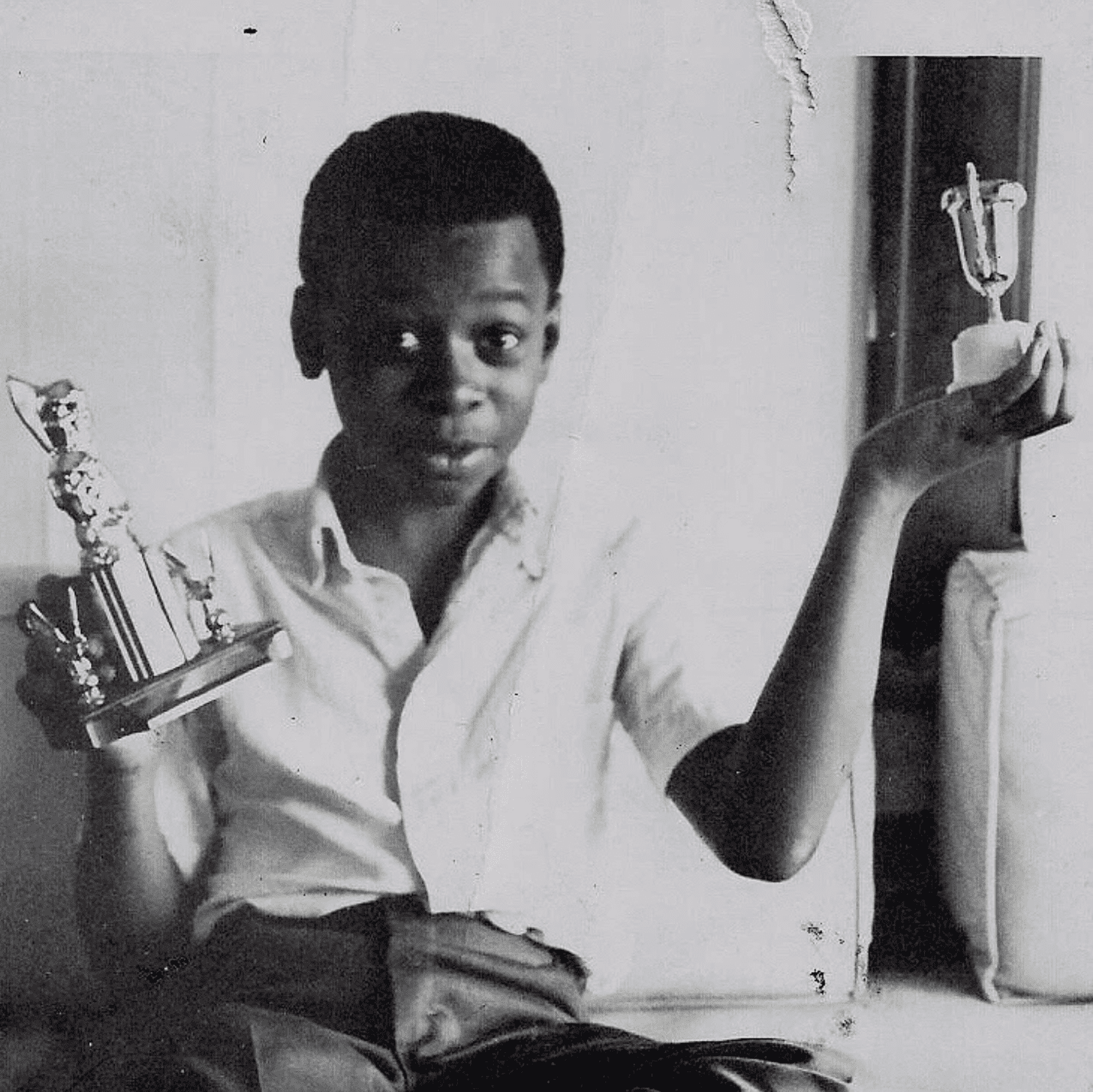
Born on February 6, 1957, in Chicago, Illinois, Robert Townsend grew up in a family that valued education and the arts. From a young age, he was fascinated by theater, film, and music, actively participating in school plays, local theater groups, and Chicago’s vibrant cultural scene. The city, with its rich African American culture, jazz clubs, and theaters, became his first source of inspiration, shaping his understanding of social issues and how to portray them artistically. He quickly realized that film could be a powerful tool to merge comedy, drama, and social critique, and to convey his unique perspective to audiences.
Townsend enrolled at the University of Chicago, where his studies helped him develop a style that would later combine a sharp social perspective with comedic and dramatic storytelling.
Creative Career
Robert Townsend’s professional career began in the late 1970s and early 1980s. He started on television with small roles in both comedies and dramas before moving on to films. His performances were notable for their natural charm and charisma, as well as an ability to convey social context, which immediately helped him stand out among other young actors.
Parallel to his acting, Townsend was deeply interested in music, frequenting Chicago’s jazz and soul clubs. He began incorporating musical elements and rhythm into his acting, which eventually became a part of his unique style. The influence of jazz and funk helped him create a rhythmic dynamic in his scenes and improve his sense of timing in film.
Later, Robert made his first attempts as a writer and director. He was determined to create films that reflected the lives of the African American community without the constraints of stereotypes or caricatures. He focused on comedy with a social message, dramas that tackled important themes, and stories that blended humor with serious life issues. His feature film debut, which he also directed, immediately caught the attention of critics and audiences for its bold thematic approach and sharp social satire. With it, Townsend proved he could combine different genres to create works that were not only entertaining but also thought-provoking.

Directorial Work
Robert Townsend gained prominence through the unique combination of comedy and social critique in his films. His works tackle issues of racial stereotypes, the limitations placed on African American actors in Hollywood, and the everyday challenges faced by the community—all while remaining entertaining.
His first major success was “Hollywood Shuffle” (1987), a film that Townsend wrote, directed, and starred in. The movie was a clever satire of Hollywood and its prejudiced treatment of Black actors. It showed how talented artists were often confined to limited, stereotypical roles, while also highlighting their resilience, creativity, and desire for self-expression.
Other notable works by Townsend include:
- “Eddie Murphy Raw” (1987) – His involvement in this iconic stand-up film;
- “The Five Heartbeats” (1991) – A musical drama about the journey of a vocal group in the 1960s and 1970s. The film achieved cult status thanks to its vibrant characters, incredible musical performances, and a rich dramatic storyline that captures the struggle of young African American performers for fame and recognition.
- “The Meteor Man” (1993) – The first superhero movie directed by, written by, and starring an African American. This is a brilliant example of combining comedy, fantasy, and social commentary, as the protagonist tries to change his neighborhood and fight crime;
- “In the Hive” (2012) – A mature dramatic work that demonstrates Townsend’s growth as a director. The film explores social problems among youth, the importance of education, and raising children in difficult circumstances, showcasing his ability to handle serious subjects.
Townsend’s directorial style is distinguished by dynamic editing, vibrant and authentic characters, a realistic portrayal of urban life, and a clear social message. He masterfully blended humor and drama, creating films that not only entertain but also make audiences reflect on important social questions.

Acting Career
Robert Townsend has also been an active presence in film and television, balancing comedic and dramatic roles. He has worked with stars like Eddie Murphy, Whoopi Goldberg, Bill Cosby, and Denzel Washington, earning widespread acclaim. His natural charm, charisma, and comedic talent made his characters feel alive and relatable, and his work in his own films showcased the versatility of his acting skills.
Among his most notable roles are:
- “Hollywood Shuffle” (1987) – Townsend’s leading role in this film perfectly illustrated the limitations African American actors faced in Hollywood;
- in “The Five Heartbeats” (1991), Townsend demonstrated both his acting and vocal abilities, creating a powerful dramatic character;
- in “The Meteor Man” (1993), he took on the unusual role of a superhero, where fantasy is seamlessly intertwined with comedic elements, social undertones, and a fast-paced plot.
In TV series and other projects, he often served as a host and mentor, passing his experience on to younger colleagues. Robert’s ability to organically blend dramatic depth with lighthearted comedy made his work influential not only among audiences but also with critics and fellow artists.
Robert Townsend is often hailed as one of the pioneers of African American filmmaking. In his work, he has combined humor, dramatic elements, and social satire to forge a distinct auteur style. His films paved the way for new voices and themes in Hollywood, proving that African American artists could create meaningful and commercially successful projects without compromising their content. Townsend is also known for his dedication to supporting young talent, inspiring them to create new works and fight against stereotypes. He frequently mentors emerging directors and actors, serving as an example of how to combine artistry with social responsibility.
His contributions to film and television have made him a key figure in the development of African American culture in American show business. Robert Townsend’s films remain relevant, influencing new generations of viewers and artists, and solidifying his status as a legend of American cinema.