

The events that unfolded in 1920s Chicago can hardly be called lawful. While robberies and murders were rampant, other ventures, like alcohol, gambling houses, and adult clubs or brothels, thrived as if in full bloom. Some of the craftiest players took to deception and schemes, with one of the best in this field being Joseph Weil. Known as a man who even managed to outwit the famous dictator Mussolini, Weil inspired Hollywood filmmakers and became one of Chicago’s most notorious con artists. Here’s his story, step-by-step. Next on chicagovski.
Childhood and Youth
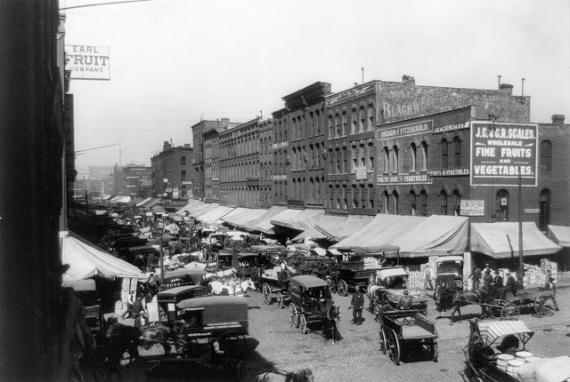
Joseph Weil was born in 1875 to a modest family of European immigrants; his mother was French, and his father, German. The family ran a small grocery store, where young Joseph also worked. As a teenager, he’d rise at dawn to help his parents, only leaving the shop for school. Naturally, he’d sometimes rebel, choosing instead to head to the racetrack after classes. There, he glimpsed the lives of the wealthy, imagining a life where money flowed without the grind.
As Weil grew, he left school and took a job as a bank collector, though it never satisfied his growing ambitions. Around this time, he decided to marry and chose the most beautiful and intelligent woman in the area as his bride. But an incident during a visit to his parents changed Weil’s life. His mother, seeing the woman, told Joseph that she was too good for him and needed a wealthy husband who could meet all her needs. Weil confidently replied that he would make enough money to fulfill her every whim, a promise that he would eventually keep.
First Schemes
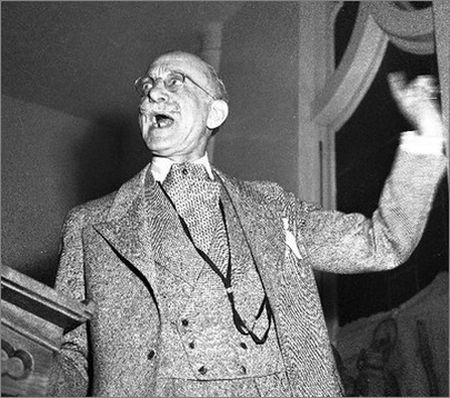
Soon after, Weil met a man known as “Doctor” Merriweather, who claimed to have invented a cure for skin and stomach ailments. This “elixir,” as the doctor called it, was concocted in his basement, using little more than rainwater mixed with ingredients like buckthorn bark and sweet liqueur. Marketed as a worm remedy, it found a ready audience among the townspeople, especially women. Weil joined Merriweather as an assistant for traveling sales, playing the part of a satisfied customer to boost sales. They visited numerous towns, and upon returning to Chicago, Weil was significantly richer, ready for a grand wedding.
His appetite for profit grew, however, leading him to devise further schemes, especially around horse racing—a subject he was passionate about since childhood. While he never placed bets himself, he crafted a plan to pocket the winnings. Placing an ad in Chicago’s largest newspaper, he promised an investment opportunity, catching the interest of wealthy locals like theater owner McAllister. Weil claimed that his sister’s husband worked at Western Union and could relay race results a few minutes before they were officially reported. McAllister, intrigued, paid $2,500 for “inside information.” This con was repeated several times, netting Weil nearly $12,000. Eventually, though, he was caught and sentenced to three months in jail—at the time, fraud wasn’t considered a serious crime.
Next Moves
After his release, Weil shifted focus to real estate, creating a development company called “Michigan Elysium” and buying a swamp on Lake Michigan, a popular spot for Chicago’s elite. His scheme involved inviting prospective clients to join an exclusive club and build property on “prime” land. Weil charged a $300 document fee, signing numerous clients before anyone checked the property. When someone eventually did, they found only swamp, and Weil’s office had vanished overnight.
Later, he found a steadfast partner and friend in detective Buckminster. Initially tasked with arresting Weil, Buckminster instead accepted a bribe and agreed to work with him. This partnership marked the beginning of a successful “career” for both.
Major Cons
Weil’s career as a famous con artist reached new heights with the establishment of a fake bank. Discovering a bankrupt bank with a lease for rent, he set up shop, hiring people to play clerks, guards, and other roles. Weil’s friend and partner, “The Deacon,” played the role of a trustworthy advisor, driving wealthy Canadian investors to the bank and convincing them to buy oil-rich plots at a fraction of the market price—if they paid in cash. This elaborate act netted $350,000 while costing just $50,000 to stage. The fake bank disappeared the day after the deal was closed.
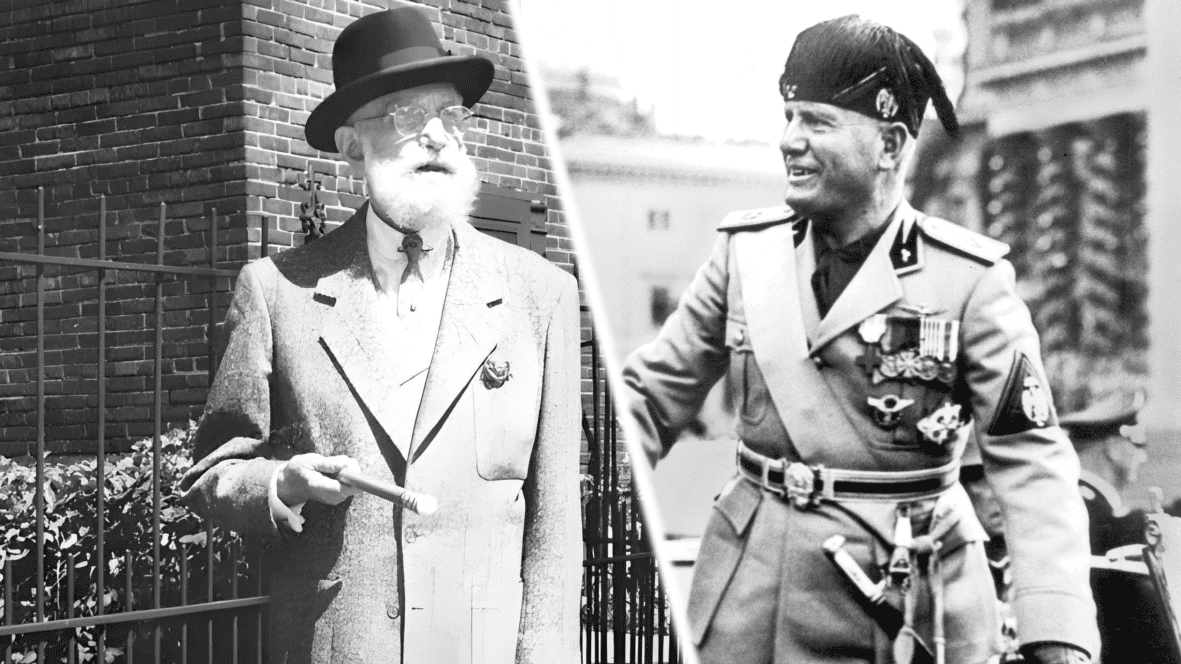
But Weil’s most notorious scam involved Mussolini himself. In the late 1920s, Weil traveled to Italy posing as an engineer from Colorado’s mines. He convinced Mussolini to purchase fake mining rights in the U.S., swindling him out of $2 million before fleeing the country.
Throughout his life, Weil orchestrated countless scams, although he occasionally served time in prison, spending a total of ten years behind bars. His final years were spent in a Chicago nursing home. When asked by journalists if he’d con anyone again if given the chance, the legendary trickster replied, “I dream of it like a hungry dog dreams of a juicy bone.”