

There are many events in Chicago that have a specific mission. The University of Chicago Folk Festival (CFF) is no exception to the rule. It unifies skilled artists and musical creators from varied backgrounds. All are united by a love of music and dance. Over its more than 60-year history, this festival has created strong ties between members of society, chicagovski.com writes.
History of the CFF
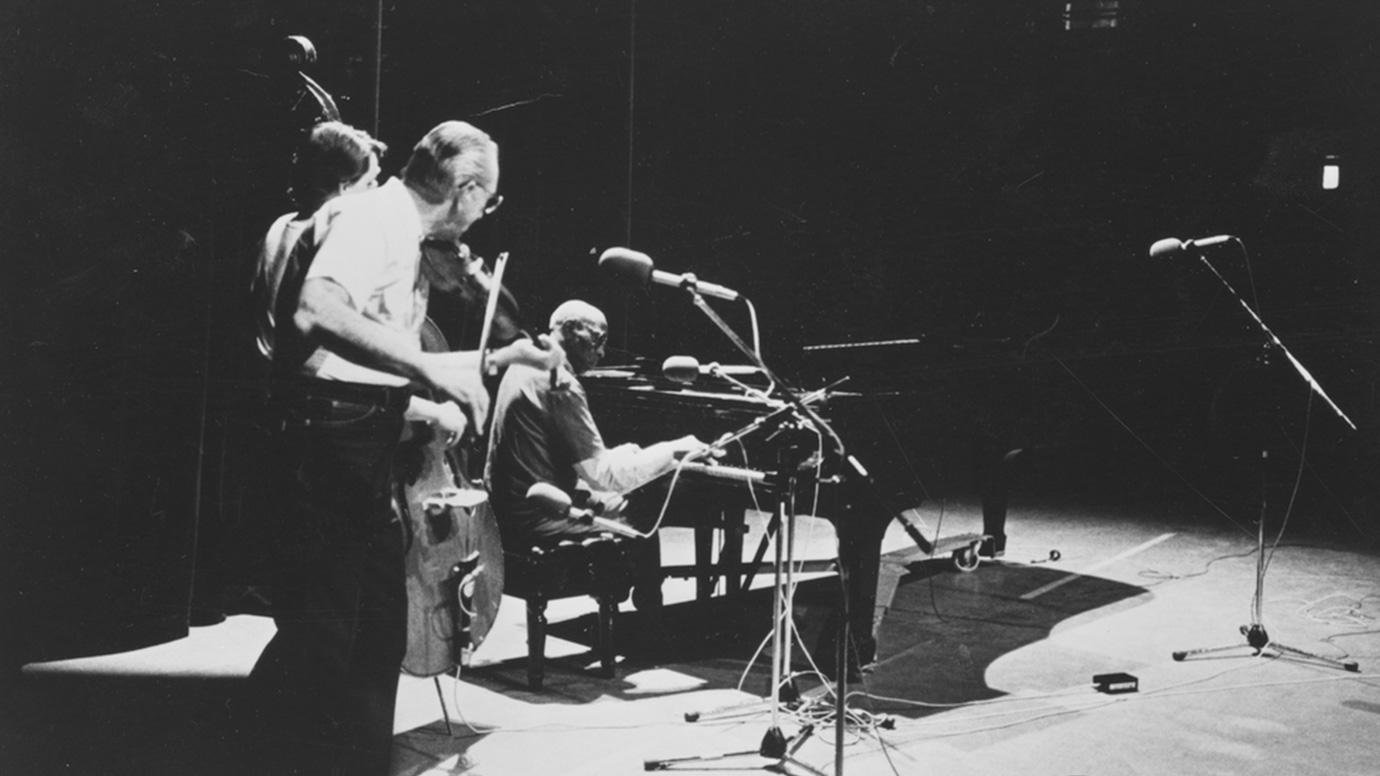
The Folk Festival made its debut in 1961 when Hyde Park emerged as a thriving capital of folk culture. At the time, folk music was viewed by many as a sign of a more modest, anti-consumerist past. In college towns with large countercultural communities disenchanted with the postwar industrial boom, the appeal of folk music quickly grew. Jam sessions were a staple on campus. The volunteer-run UChicago Folk Society quickly became a major student organization at the university.
With its spreading fame came growing recognition from the most passionate fans of folk music. M. Fleischer, president of the Folklore Society in 1961, decided to popularize folk music. Under his direction, the society started envisioning something special in the world of folk music. Namely, they came up with the idea of an event that emphasized authenticity and stood in direct contrast to the commercially driven, large-scale folk festivals that were prevalent in the US at the time.
Yet the quest for authenticity required the organizers to resort to extreme means to attract sufficient numbers of artists for the festival. In search of artists, they studied folk anthologies, with most of the talent being peasants and working-class people who had sent records to labels and been rejected. In addition, organizers traveled all over the country to persuade these people to play in Chicago.
Thus, at the first festival, many African-American performers presented their performances to the guests: E. Cotten, J. Williams, F. McDowell. In subsequent years, the event started to include immigrant groups.
Features of the modern festival
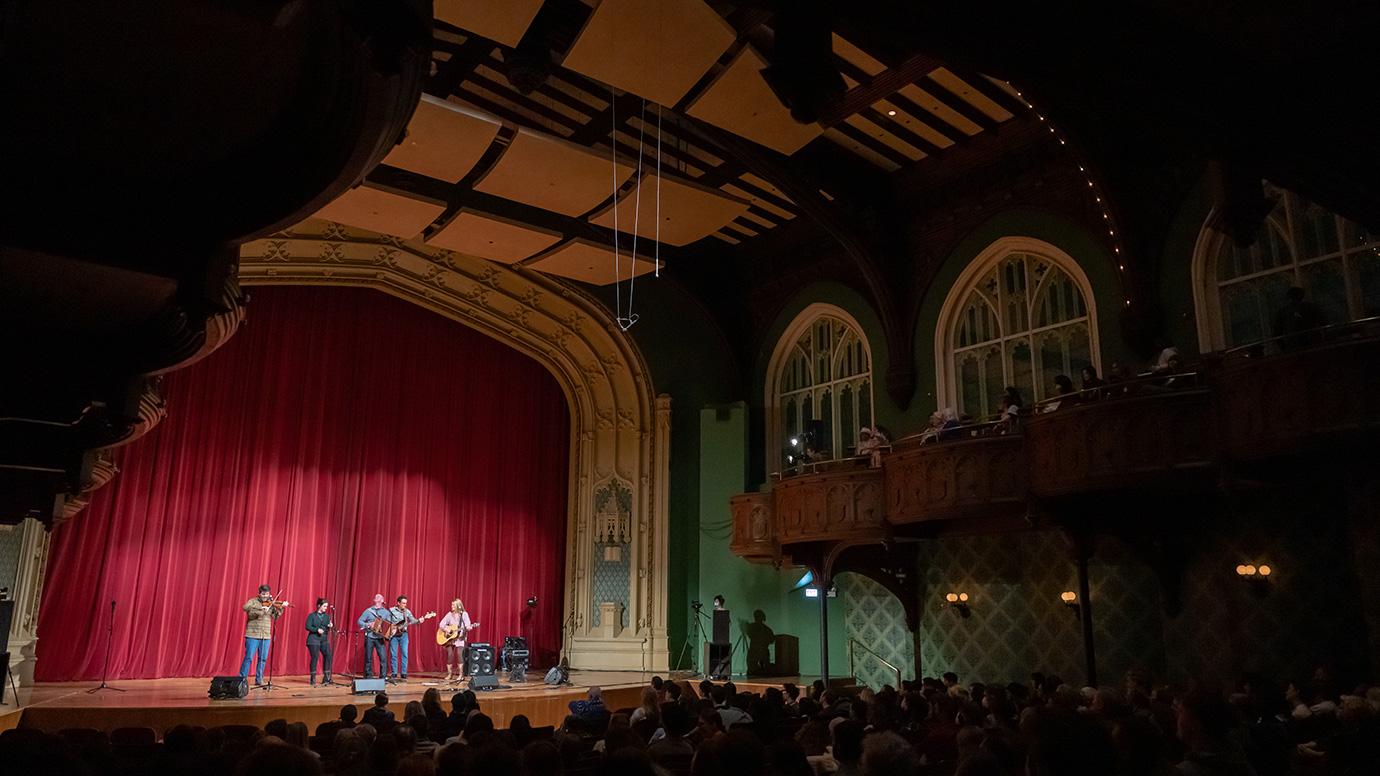
Today’s CFF encompasses a wide array of musical genres, including blues, electric blues and jazz. Skilled musicians expertly present traditional music transmitted from generation to generation, bringing richness to the program.
The organizers strive to preserve the musical traditions that arose at the stage of formation of Chicago culture. They do their best to encourage people to create their own music that demonstrates the traditions.
Before each festival, there is a meeting of the students’ society. They decide who is allowed to participate. The music event lasts for 7 weeks, with voting taking place every Friday.
Most often, the festival is attended by about 800 people. The guests enjoy beautiful performances. They also attend workshops where they can learn to play the violin, harmonica, crochet and much more.
The artists involved teach the students all the intricacies of folk music. During the festival season, Mandel Hall is filled with the sounds of melodies. Musicians and dancers gather crowds in Ida Noyes Hall, where they tell the audience about their pursuits.
In 2023, the participants mastered a wide variety of dance styles: Klezmer, Morris, Scandinavian, Balkan, belly and Renaissance dancing.
It is extremely valuable that the CFF demonstrates a bright mosaic of cultures. It is a symbol of what brings people together and enables them to transcend cultural barriers: a love of art, a readiness to learn about other traditions and a reverence for music.
Musicians frequently ask other artists they meet offstage to join them on stage, improvising and blending different styles in front of an audience.
All this gives happiness and positivity to the festival audience. This is perhaps the primary driver of why the CFF continues to be one of the major cultural events in Hyde Park.