

Chicago was where her poetic voice took shape. It was here that she observed everyday life across the African American community, writing about routine, love, poverty, racial injustice, the female experience, and human dreams. In 1950, Gwendolyn Brooks made American literary history when her collection won the Pulitzer Prize for Poetry, making her the first African American author to receive the prestigious honor. Read more on chicagovski.
Moving to Chicago
Gwendolyn Elizabeth Brooks was born on June 7, 1917, in Topeka, Kansas. When she was just a few weeks old, her family relocated to Chicago during the Great Migration, when hundreds of thousands of African Americans left the American South and other regions for northern industrial hubs. Chicago became her true home. Her father worked as a janitor, while her mother was a schoolteacher and trained musician. From an early age, her family recognized and warmly nurtured her gift for writing.
Her parents encouraged Gwendolyn to write from early childhood. Her first poem, “Eventide,” appeared in the magazine American Childhood when she was only 13 years old. By her teenage years, she had already penned dozens of verses. Brooks attended Forestville Elementary School, Hyde Park High School, Wendell Phillips High School, and Englewood High School. In 1936, she graduated from Wilson Junior College (now known as Kennedy-King College). Even before completing her secondary education, Brooks began submitting her work to The Chicago Defender.
Brooks’s literary development was shaped by renowned African American writers and intellectuals, including James Weldon Johnson, Richard Wright, and Langston Hughes. Her connection to Chicago’s literary scene was crucial: the city was home to dynamic writing workshops, readings, and community arts centers that provided an essential launchpad for young authors.
Literary Career
A major milestone for the aspiring poet was breaking into Poetry, one of the nation’s most prestigious literary magazines. Brooks began submitting poems as a teenager, but the journey to acceptance took time. In 1944, the magazine finally published two of her works. It proved to be a watershed moment not just for Brooks, but for American literature as a whole. A distinctive new voice had arrived: a young African American poet from Chicago who wrote about race not in vague abstractions, but through the tangible reality of ordinary people, their apartments, families, relationships, dreams, labor, and everyday struggles.
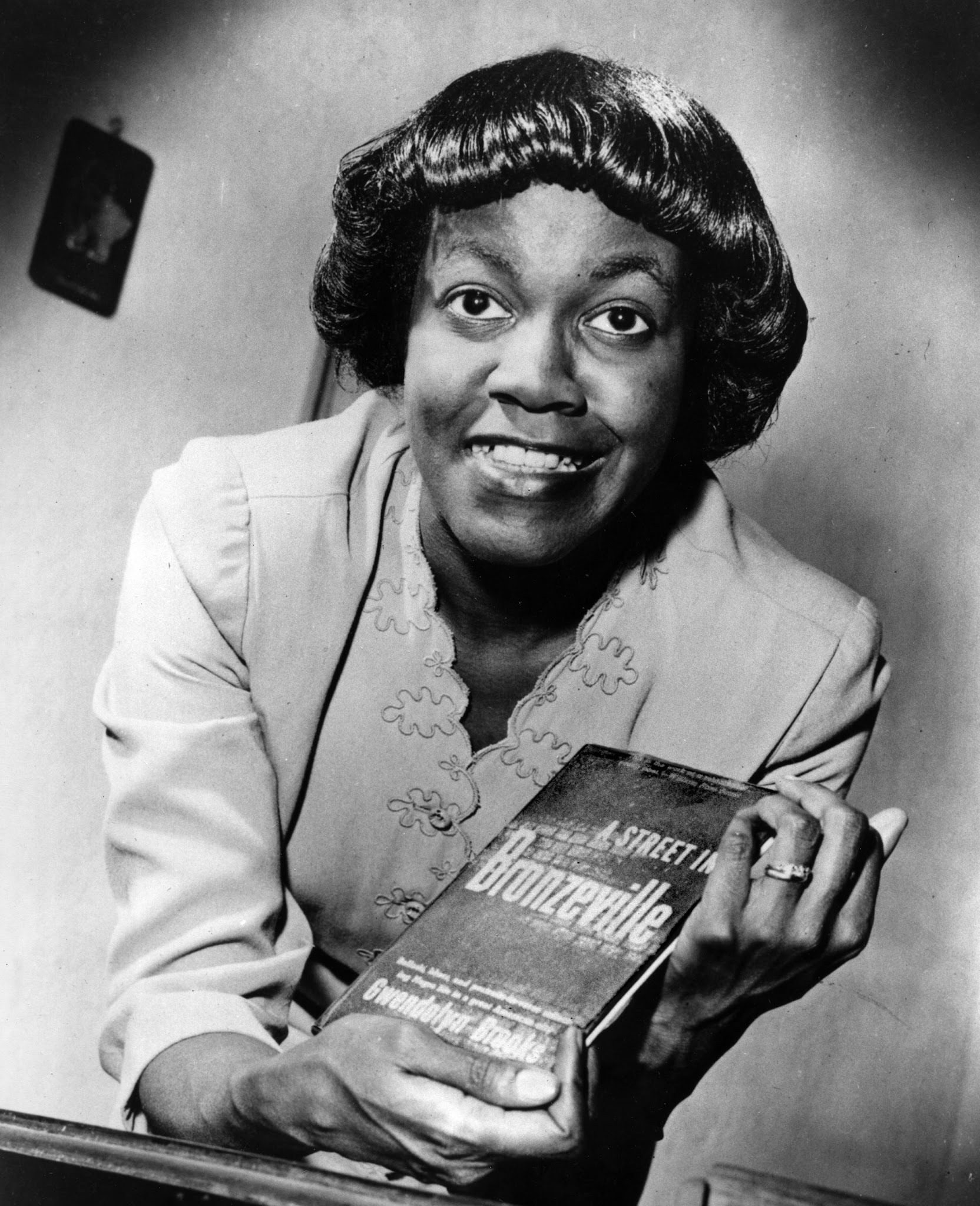
In 1945, Brooks published her debut collection, A Street in Bronzeville. The title clearly marked the geography of her creative world. Bronzeville was far more than a neighborhood on Chicago’s map; in Brooks’s verses, it became a rich portrait of urban Black life. She centered people who had long been pushed to the margins of mainstream literature: laborers, mothers, children, youth, lovers, and everyday strivers navigating systemic limitations while holding on to their dreams. A Street in Bronzeville was met with widespread critical acclaim. Richard Wright championed the young writer, and critic Paul Engle praised the collection enthusiastically in the Chicago Tribune.
The Pulitzer Prize
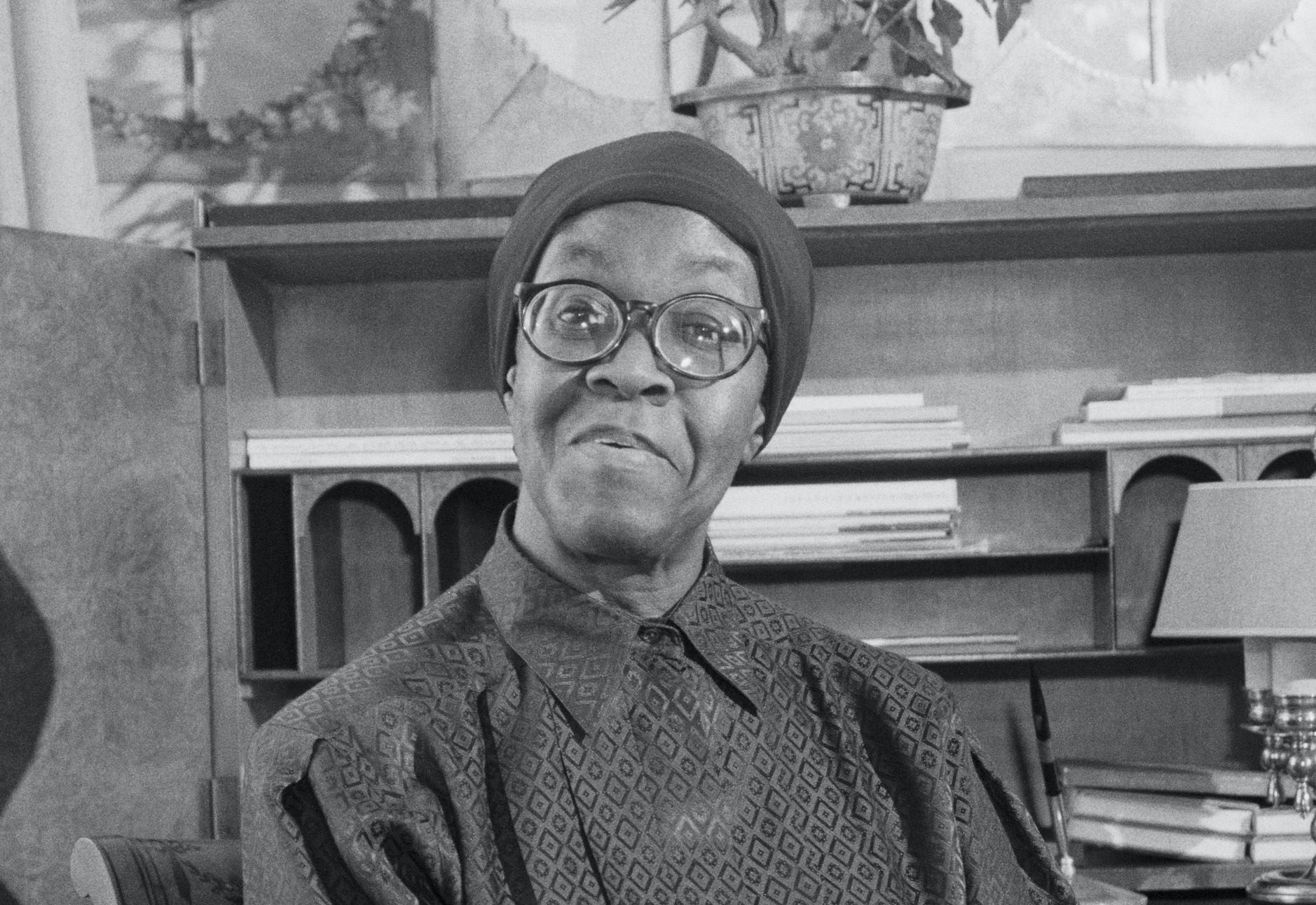
While A Street in Bronzeville introduced Gwendolyn Brooks to a broader audience, Annie Allen cemented her legacy in American literature. Published in 1949 by Harper & Brothers, the volume chronicles the coming of age of a young Black girl in Bronzeville, tracing her journey from childhood innocence to adulthood. In 1950, Annie Allen was awarded the Pulitzer Prize for Poetry, making Brooks the first African American writer ever to win a Pulitzer.
In the 1950s, racial segregation and discrimination were deeply entrenched in American political, social, and cultural life. Brooks’s achievement resonated far beyond the literary world. She was a young Black poet from Chicago who wrote authentically about her community without sanitizing or tailoring that experience for outsider comfort. Her Pulitzer win affirmed that the stories of Bronzeville were an integral part of the American narrative, and that an African American woman’s voice belonged at the heart of the national canon.
Prose Works
Brooks did not stop with poetry. In 1953, she published Maud Martha, her only novel, constructed as 34 vignettes depicting the life of a Black woman. The protagonist leads an ostensibly ordinary life, but it is precisely this ordinary quality that gives the book its profound artistic power. Brooks looked beyond sweeping historical spectacles, showing instead how racism, class division, gender expectations, and social constraints quietly shape human life in the most mundane moments.
In 1968, Brooks published one of her most ambitious works, In the Mecca. The title references the Mecca Flats, a massive, historic apartment complex on Chicago’s South Side. Centered around a mother desperately searching for her missing child, Brooks crafted an expansive portrait of urban reality. The poem captures an entire community—its residents, social crises, poverty, racial inequities, and poignant human loneliness.
Honors and Achievements
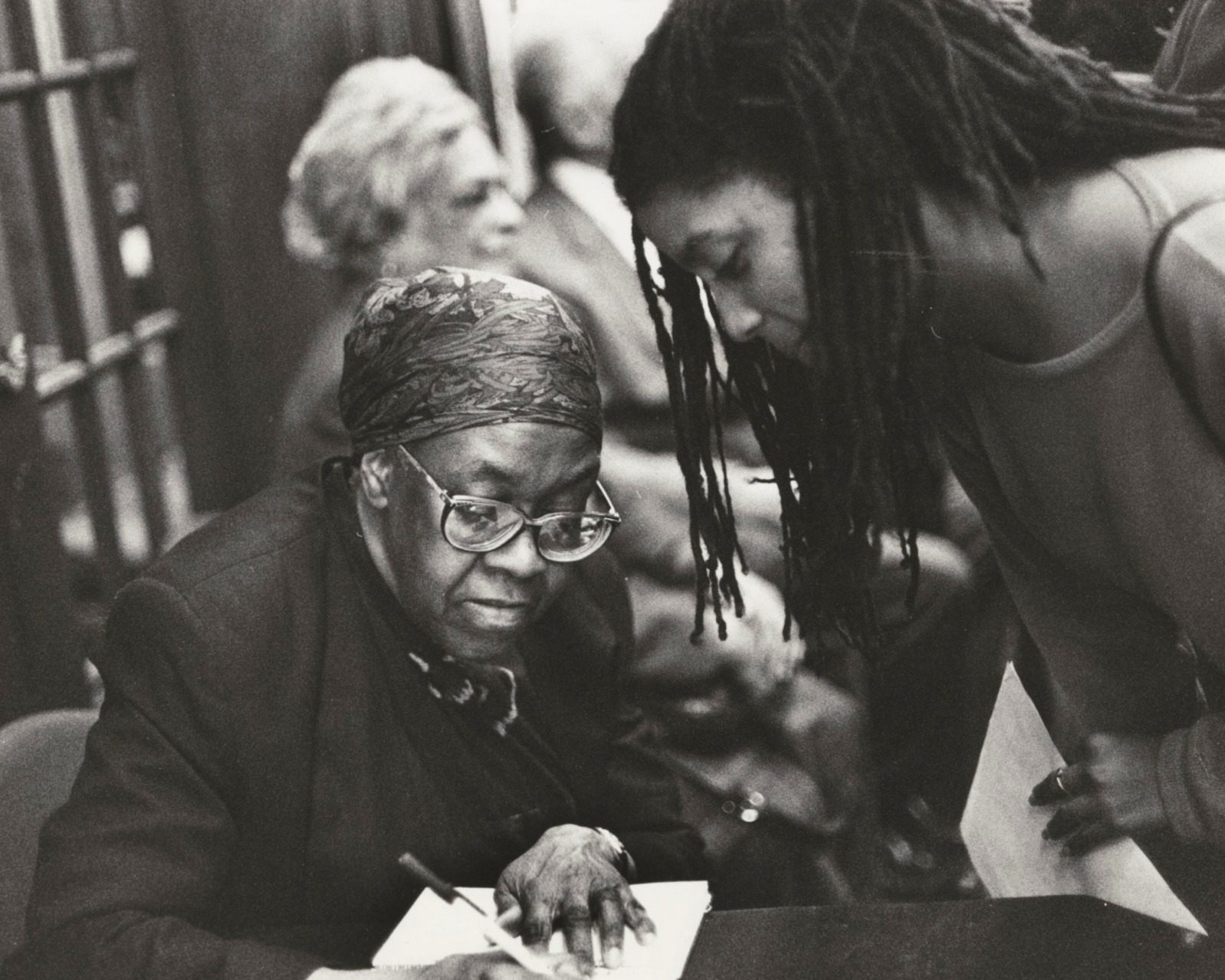
In 1968, Gwendolyn Brooks was appointed Poet Laureate of Illinois, a position she held until her death in 2000. Throughout her tenure, she devoted immense energy to nurturing emerging writers. In 1969, she established youth poetry awards for Illinois students, firmly believing that a poet laureate’s role was not merely symbolic, but a mandate to serve the community and help others discover their voice. From 1985 to 1986, Brooks also served as Consultant in Poetry to the Library of Congress.
The Pulitzer was only one of many accolades Brooks earned throughout her career. She received fellowships and honors from the Guggenheim Foundation, the American Academy of Arts and Letters, and numerous other cultural institutions. In 1976, she became a member of the American Academy of Arts and Letters, and in 1988, she was inducted into the National Women’s Hall of Fame. In 1995, she was awarded the National Medal of Arts, alongside major recognitions from the National Book Foundation and the Poetry Society of America.
Until the end of her life, Brooks remained an active writer, educator, and civic figure. She continued to write, teach, give readings, and champion young creators. Her literary legacy spans more than 20 poetry books, prose works, autobiographical writings, and hundreds of individual poems. On December 3, 2000, Brooks passed away in Chicago at the age of 83.
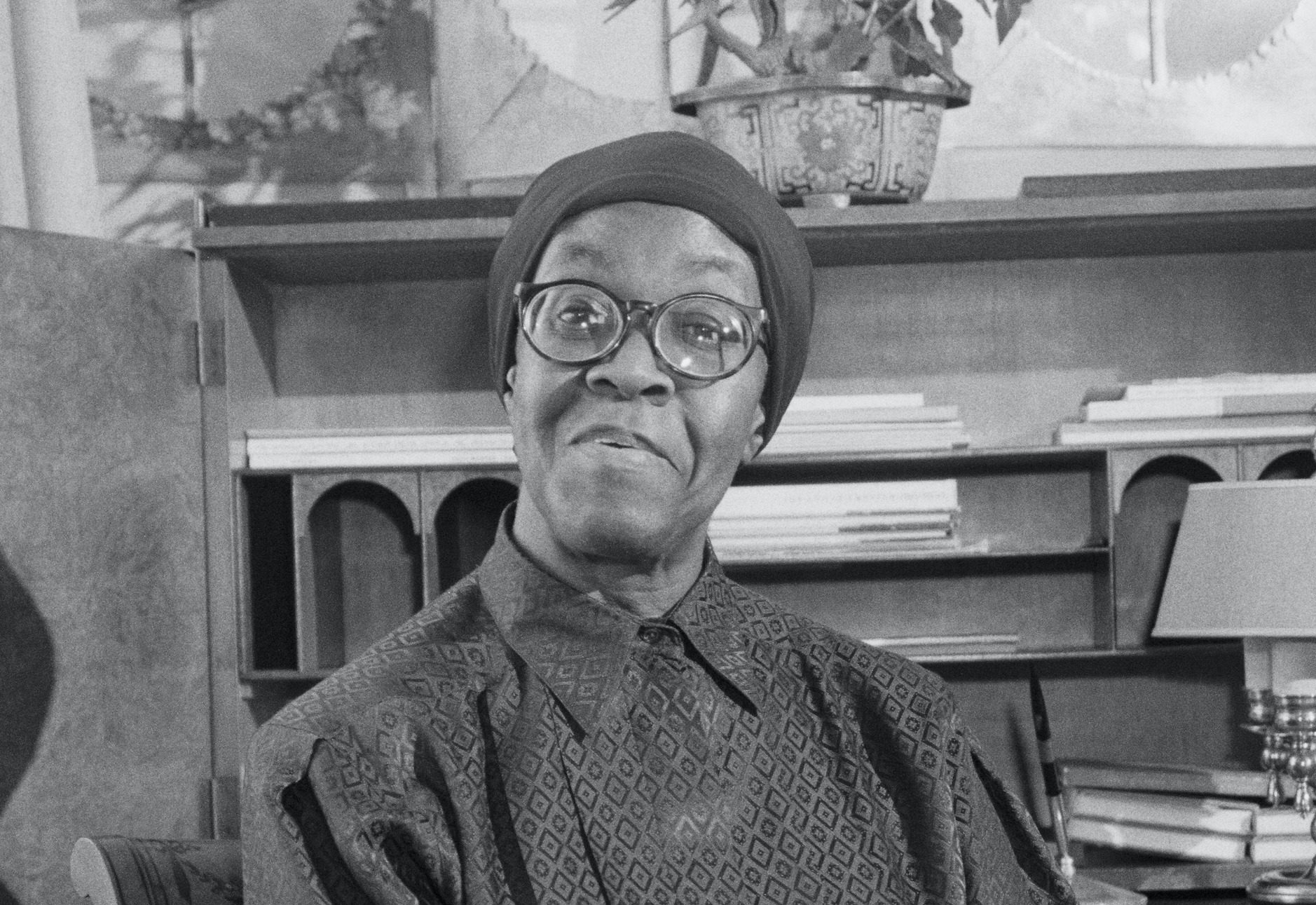
Brooks’s influence endures across Chicago and throughout Illinois. In 1990, Chicago State University established the Gwendolyn Brooks Center for Black Literature and Creative Writing. The center focuses on studying, teaching, and celebrating African American literature, with special attention to Brooks’s life and work. Today, numerous schools, libraries, and cultural institutions bear her name.
Public and scholarly interest in Brooks has only grown over time. In 2017, celebrating the centenary of her birth, the Poetry Foundation organized a nationwide program, complemented by the exhibition “Matter in the Margins: Gwendolyn Brooks at 100,” which showcased treasures from her literary archive. In 2022, The Morgan Library & Museum in New York hosted “Gwendolyn Brooks: A Poet’s Work in Community.” Today, her poetry and prose remain vital staples in university curricula, anthologies of American literature, and African American literary studies worldwide.