

A family SUV has a busy life in Chicago. On Monday, it takes the kids to school. On Tuesday, it carries groceries home. By the weekend, it may be loaded with bikes, sports bags, and luggage for a trip out of town. With so much going on, it’s a struggle to keep the car looking new. A stone hits the hood on the Kennedy Expressway one day, and a stroller scratches the rear bumper the next.
Add road salt that covers the doors after a winter storm. None of these things seem serious on their own, but after a few years, you’ll clearly see the damage. That’s why some SUV owners consider paint protection early, before everyday driving takes its toll on the finish.
Chicago Weather Is Hard on Car Paint
Chicago puts your SUV’s finish through a lot every year. Winter is the toughest season—snow, slush, road salt, and gravel cover the roads, and your lower panels take the worst of it. Once paint gets chipped, salt can work its way into exposed metal and cause corrosion. AAA also warns that road salt can accelerate rust and damage vehicle paint. Spring brings potholes and road repairs, and loose stones fly up on highways like I-90, I-94, and I-294, chipping the hood, bumper, or side mirrors.
Summer has its own issues too. Sunlight, tree sap, bird droppings, and insect residue can damage the paint if they sit on the surface too long. And regular washing can’t protect your car from rocks. For families who plan to keep their SUVs for several years, paint protection is worth considering.
Everyday Family Life Adds to the Wear
Not all paint damage happens on the road. Some of it happens right in your own driveway. You open the trunk and pull out a stroller. Later, a child’s bike gets loaded back in, followed by a couple of sports bags. A grocery run adds a few more trips to the cargo area. Each time, something comes close to the bumper, hatch, or rear quarter panel.
Then there are parking lots. Shopping carts, swinging doors, backpacks, and grocery bags can all make unwanted contact with the paint. One small mark may not matter much. After months or years of the same routine, they start to add up.
The areas around the trunk, doors, and lower body panels usually see the most of this everyday contact. PPF gives those high-contact areas an extra layer between your SUV’s paint and the things that can damage it.
What Is Paint Protection Film?
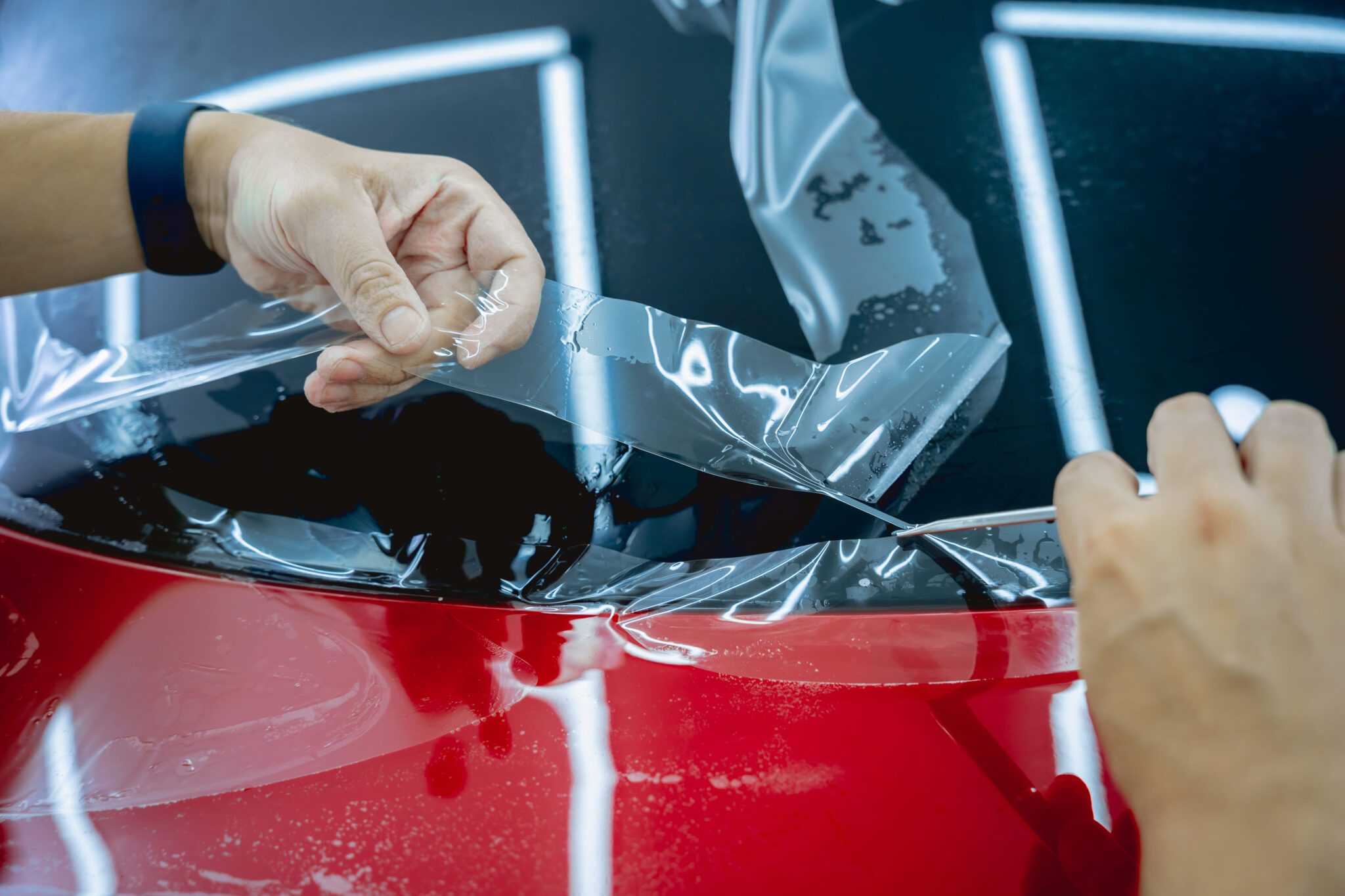
Paint protection film (PPF) can make a practical difference. It is a clear, flexible film applied to painted body panels to absorb some of the abuse that would otherwise reach the paint itself.
For a Chicago SUV, the front end is usually the first place to consider. The bumper, hood, fenders, and mirrors face constant exposure to stones, salt, grit, and other road debris. PPF can also be useful around the doors and rear of the vehicle, where everyday family use creates a different kind of wear.
Modern films are designed to blend into the vehicle’s finish, and some have a self-healing top layer that can reduce the appearance of light scratches when exposed to heat. The film can still be damaged by a hard impact, but replacing a section of film is very different from repairing the original paint. You also don’t have to cover the entire SUV. Many owners start with the areas that take the most abuse, while others choose full-front or full-body coverage.
Can You Use Ceramic Coating Instead of PPF?
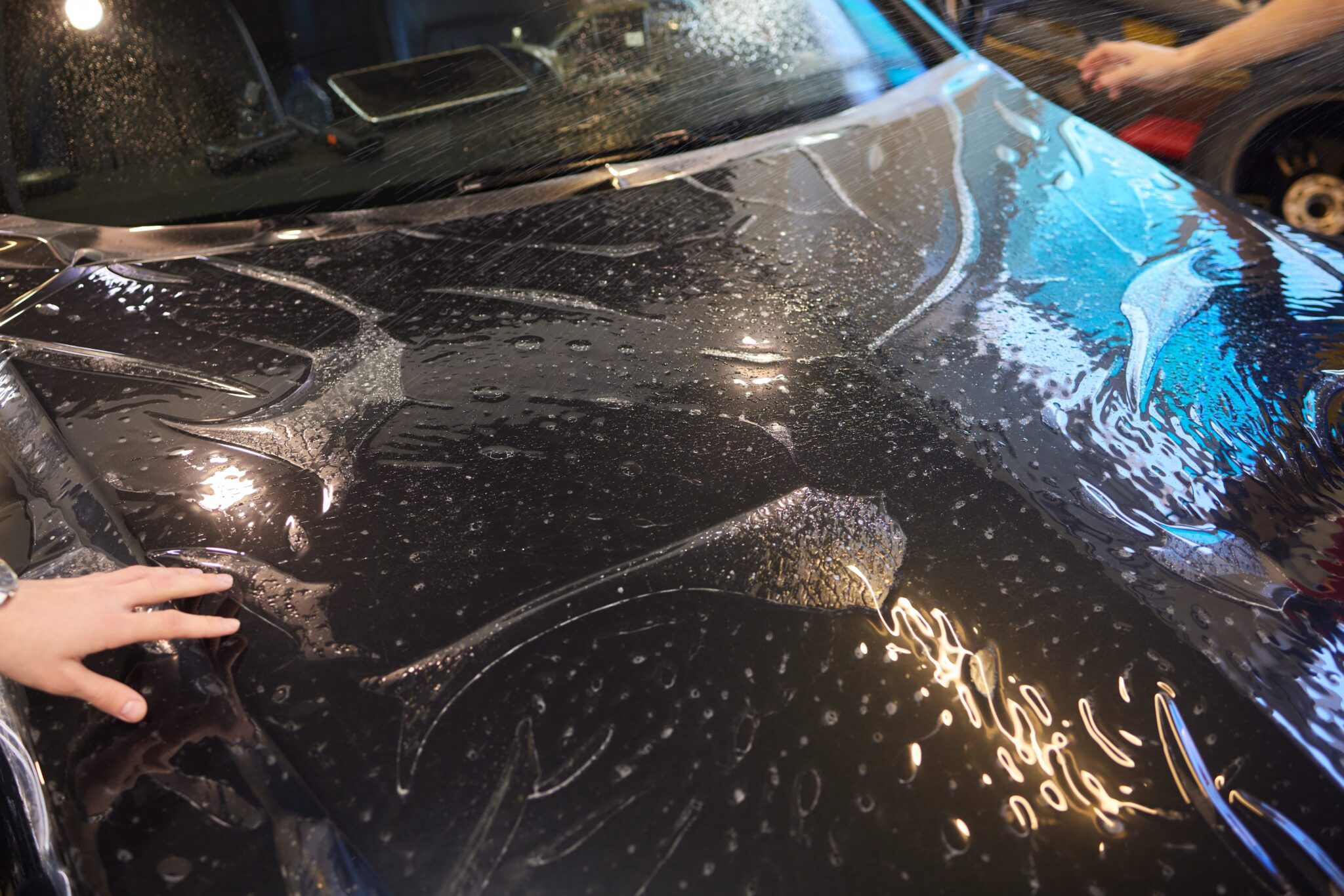
Many drivers believe ceramic coating is enough to keep their SUV’s paint protected. It does make the surface easier to maintain, but it does a different job from PPF.
Ceramic coating adds a protective layer that helps water, dirt, and road grime slide off the paint. It makes routine washing easier.
PPF provides a different type of protection. Because it is a physical film, it can absorb the impact of small stones and road debris before they reach the paint. That makes it useful on the front bumper, hood, fenders, and mirrors, particularly for drivers who spend a lot of time on Chicago highways.
Some owners use both. PPF protects the areas most exposed to impact, and ceramic coating makes the SUV easier to clean. Neither option prevents every type of damage, but together they can address two very different parts of keeping a vehicle’s finish in good shape.
Is Paint Protection Worth the Cost?
For a family SUV, PPF can make sense when the vehicle gets used hard. Chicago driving means weather challenges plus everyday wear. You don’t have to cover the whole SUV. Often, it’s enough to cover the most vulnerable areas of your car. However, a full PPF will give you peace of mind for years and keep a better resale value.
If you do choose PPF, pay attention to the shop doing the work. Ask what film they use, what the warranty covers, and exactly what you’re paying for. Look at a few finished SUVs if you can. Check the film around headlights, wheel arches, door edges, and the rear bumper. Clean edges and corners should be hard to notice.
Protection That Fits Real Family Life
A family SUV is going to get used. It’s not realistic to keep the paint perfect, but you can definitely keep it in good shape for longer. That doesn’t always mean you should cover every inch of the vehicle. For some families, a partial PPF package is enough. Others may want extra coverage around the doors, lower panels, or rear bumper because those areas get more use.
The best solution for your SUV is the one that makes sense for your SUV and how you use it. With some basic care and protection in the areas that see the most wear, you will not worry about every new scratch and spend more time simply using the vehicle.