

This isn’t just a music festival; it’s a genuine explosion of energy, protest, and alternative culture. From its humble beginnings in Chicago clubs to becoming one of North America’s largest music events, the story of Riot Fest is the story of the punk movement, freedom of expression, and the power of the independent scene. Also, learn about the history of another iconic Chicago festival—from its first event in 1965 to today. Read more on chicagovski.
The History of the Festival
Among the hundreds of music festivals held in the U.S. each year, Riot Fest stands out for its rebellious spirit, dedication to the independent scene, and an amazing ability to bring iconic bands back to the stage. Its history is a chronicle of a love for music that defies rules and trends.
Riot Fest was founded in 2005 by Mike Petryshyn, a music fan and promoter from Chicago who wanted to create a platform for authentic alternative music. Initially, it was a multi-venue festival featuring punk, hardcore, and ska bands like Naked Raygun, Dead Kennedys, The Bouncing Souls, and The Misfits. In its early years, Riot Fest took place in Chicago venues such as the Congress Theater and was geared toward true underground fans. What set it apart was its honesty—the festival was created for the music, not for profit.
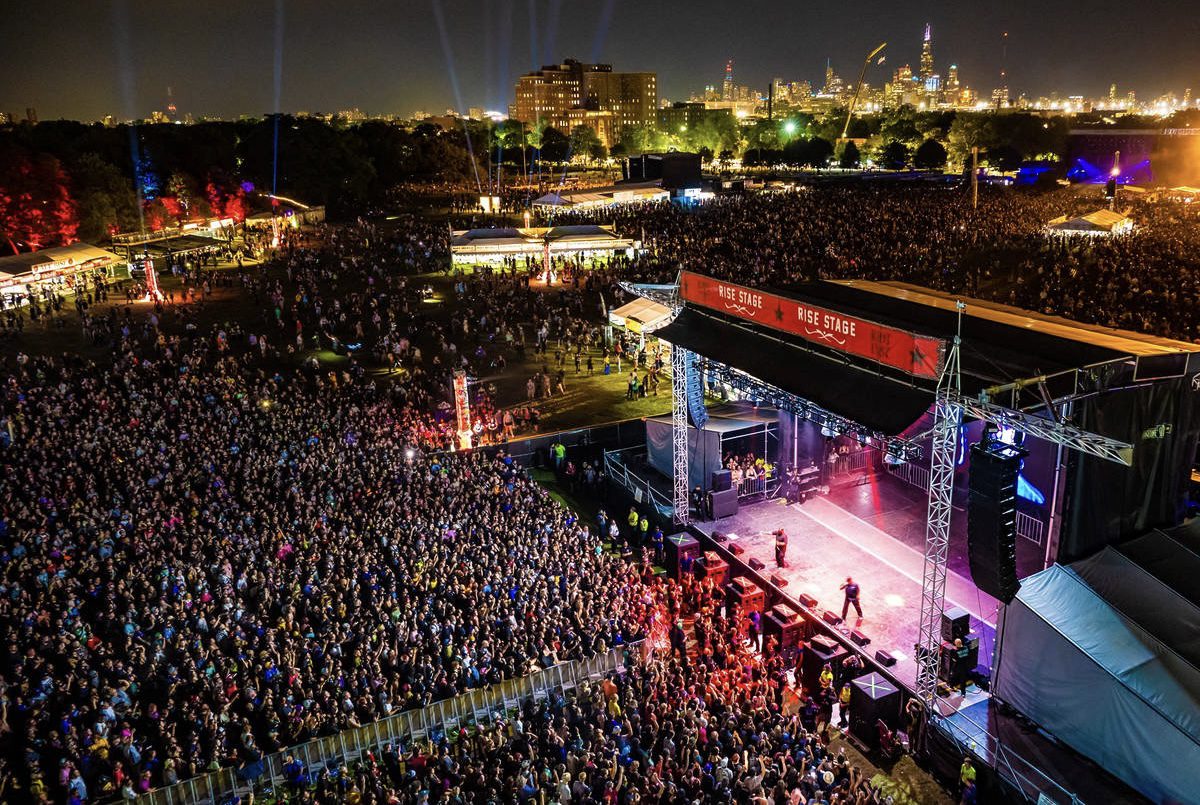
The festival began to gain popularity, and in 2010, the first outdoor event was held. In 2012, Riot Fest moved to Humboldt Park and later to Douglas Park in Chicago. The new format included multiple stages, carnival rides, food courts, and merch stands, making it feel like a self-contained music town. Riot Fest became one of the most influential independent festivals in the U.S., all while maintaining its anti-commercial spirit and focus on genuine alternative culture. Its lineups aren’t afraid to mix genres, featuring everyone from Nine Inch Nails and My Chemical Romance to Run the Jewels and The Smashing Pumpkins. One thing remains constant—Riot Fest is always ready to give a voice to the marginalized, bring back legends, and discover new names.
The Festival Program
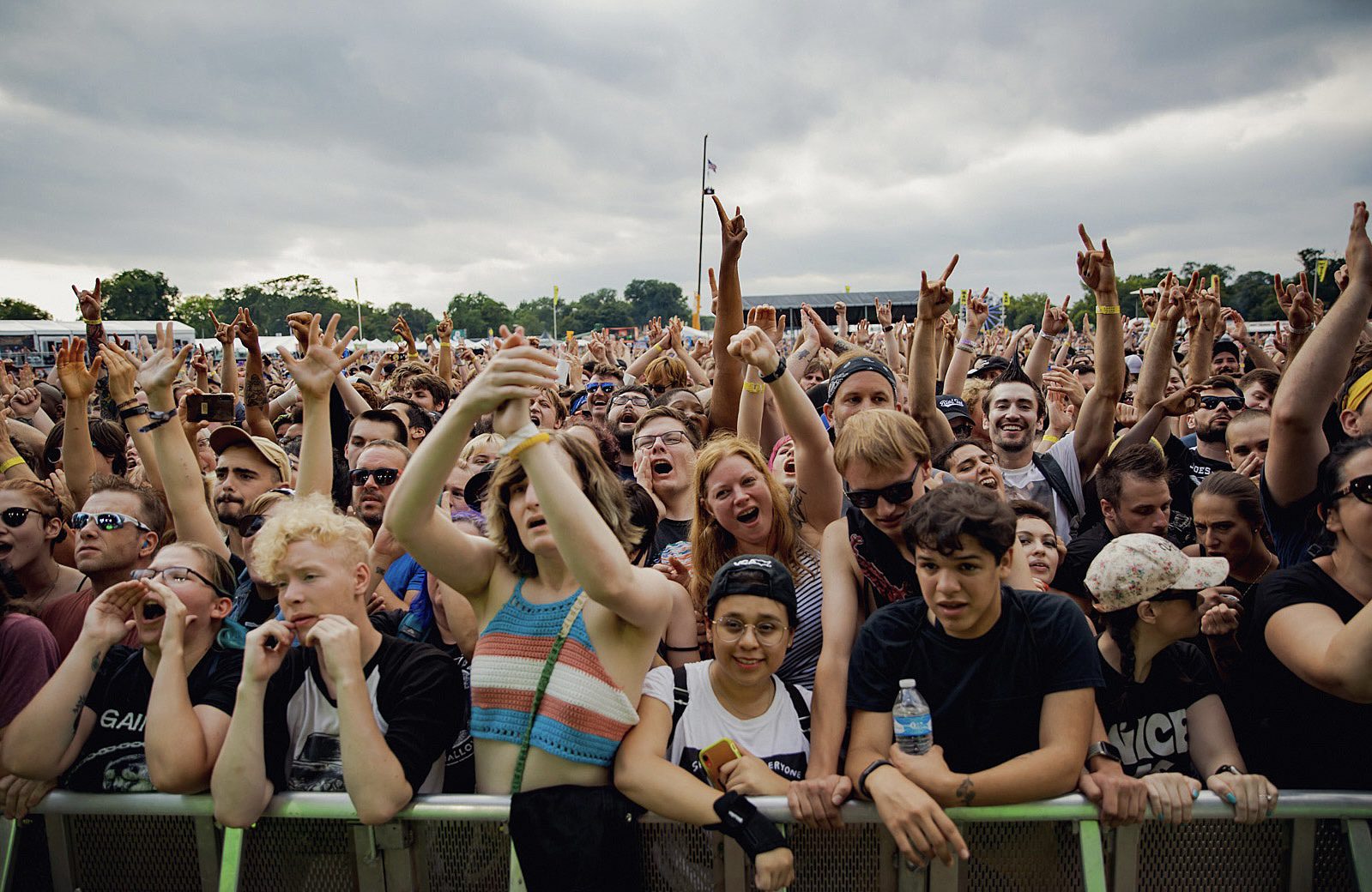
Riot Fest is more than just a music festival. It’s an explosive mix of sounds, self-expression, subcultures, and a spirit of independence. This Chicago festival has long since evolved beyond being just an event for punk rock fans—it has transformed into a multi-genre platform for alternative culture where everyone can be themselves.
One of the unique features of Riot Fest is the skate park built on the festival grounds each year. It’s not just entertainment; it’s a nod to the legacy of punk aesthetics and a reminder of the close connection between music and skate culture. The park hosts trick demonstrations, competitions, and workshops—all in the spirit of DIY and freedom. At Riot Fest, the visual language is just as powerful as the music. The festival provides a space for artists to create live street art installations right before the audience’s eyes. This isn’t just decoration—it’s political commentary, self-expression, and protest in the form of color and shape.
A separate category of entertainment includes freak shows, performance art, poetry readings, and other art forms that go beyond the traditional definition of a “concert.” You’ll find street performers, circus-style acts, shadow theater, and experimental poetry. Riot Fest is the only major American festival where you can see a punk band and an eccentric poet with the voice of a revolution on the same stage.
It has become a tradition to hold both symbolic and real wedding ceremonies on the festival grounds. Couples are allowed to style their event in the spirit of Riot Fest—whether it’s with zombie costumes, an 80s aesthetic, or a mix of metal and vinyl. These weddings are acts of love and freedom that prove what matters here is sincerity, not superficial glamour. In addition to musical performances, Riot Fest includes screenings of independent films, retrospectives of classic alternative movies, and panel discussions on human rights, ecology, feminism, LGBTQ+ issues, and mental health. It’s a space for reflection and conversations that are rarely heard on the main stages of mainstream events.
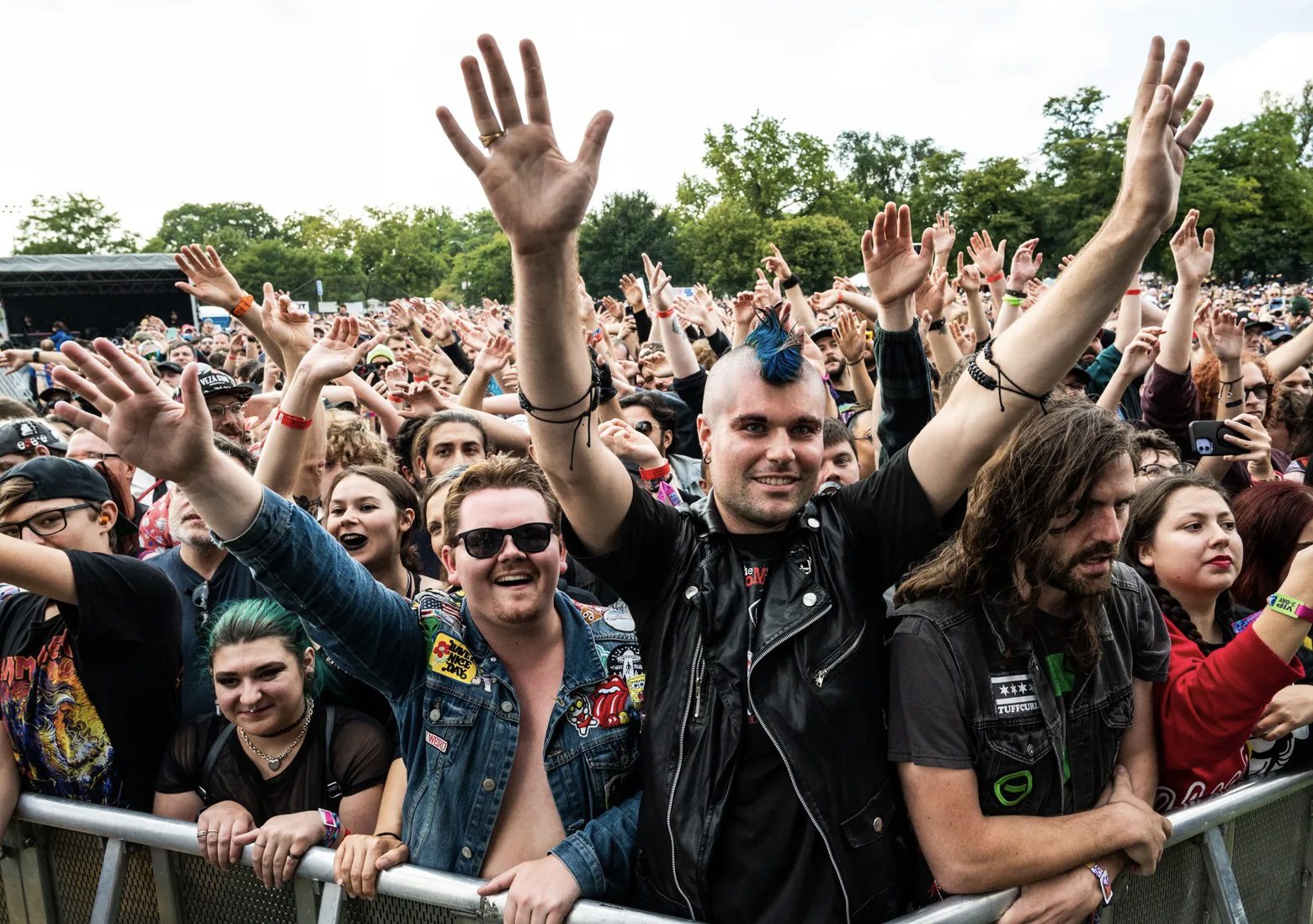
The most important thing about Riot Fest is its atmosphere of absolute acceptance. It’s one of the few major festivals where you can see a teenager with a mohawk standing next to a senior in a Metallica t-shirt, and no one bats an eye. Age, clothing, skin color, gender, or status don’t matter. The main thing is to be yourself.
Performances at the Festival
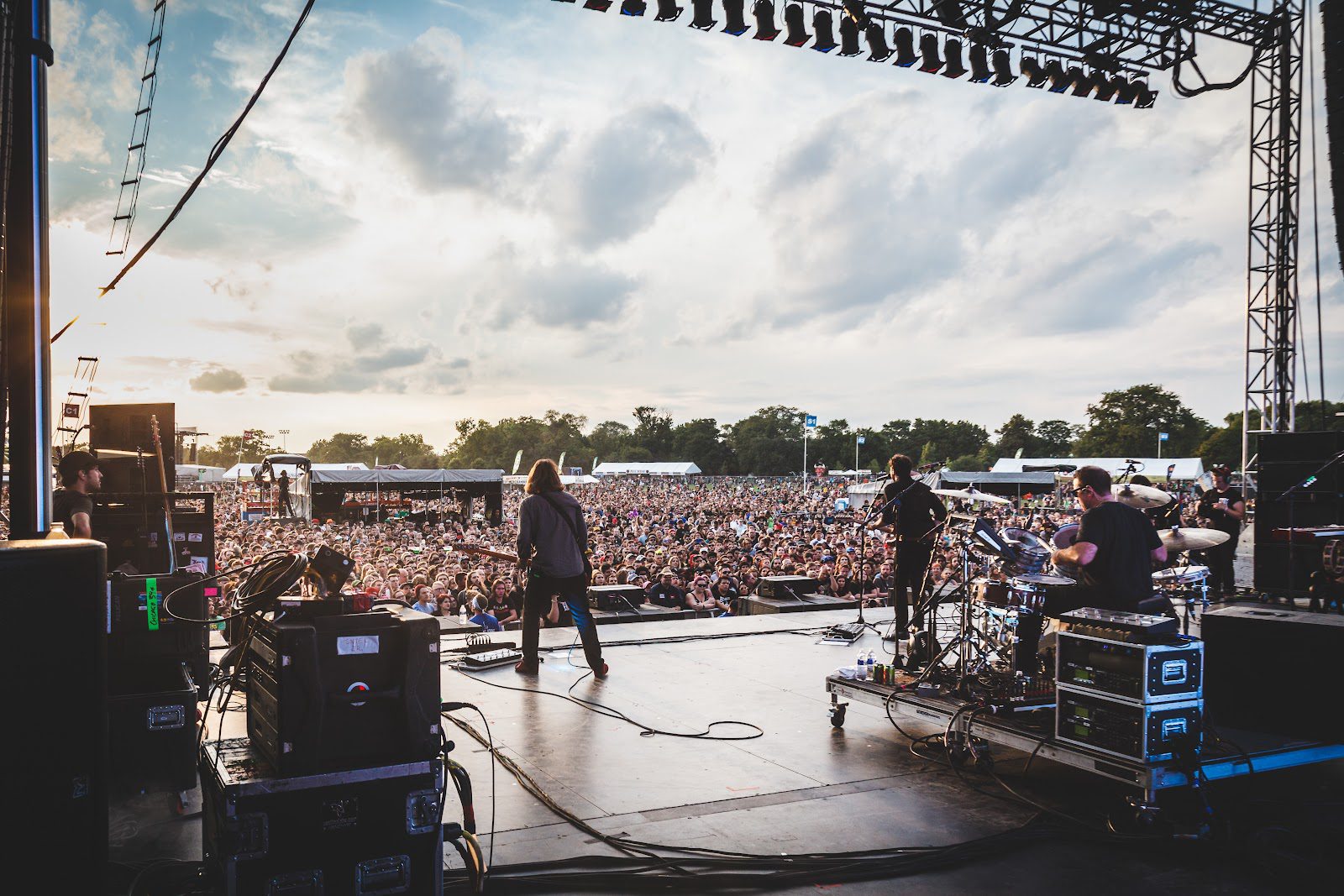
Over the years, Riot Fest has hosted the biggest names in the alternative scene. Its stages have featured:
- The Misfits — The legendary reunion of the original lineup in 2016 was a historic event for hardcore punk fans.
- Nine Inch Nails, Weezer, Pixies, The Cure, Beck, My Chemical Romance, Foo Fighters, Queens of the Stone Age — each brought their unique energy to the festival.
- Blink-182, Paramore, Fall Out Boy, The Smashing Pumpkins — The new generation of pop-punk and alternative rock found their platform here.
Riot Fest is also famous for full album performances, where bands play their iconic records from the first to the last track—a rare treat in the typical concert format.
One of the festival’s hallmarks is the reunions of iconic bands that haven’t performed together in decades. Riot Fest often becomes the stage for historic comebacks, as was the case with Jawbreaker, Refused, L7, At The Drive-In, and many others. It’s a chance for old fans to see their favorite artists live and for a new audience to discover true legends. Alongside the headliners, Riot Fest gives a stage to emerging artists who are just finding their voice. Indie bands, avant-garde performers, underground rap, folk-punk—in this diverse mix, everyone can find their music.
Every year, this festival proves that music is alive, rebellious, loud, and sincere. Riot Fest is a place where classics and innovators, punk and electronica, a scream and a whisper can meet on the same stage. It’s a platform that not only preserves a legacy but also creates it in the here and now.
The Legacy of Riot Fest
In nearly two decades, Riot Fest has evolved from a local punk explosion into a true cultural phenomenon. It started as a modest event for alternative music fans, but over time, the festival managed to preserve its authenticity while expanding its boundaries and influence. Riot Fest has not just stood the test of time—it has become the voice of a generation seeking freedom in music, style, ideas, and lifestyle. This festival redefines the music event format by adding a deep social component: from supporting local artists and cultural initiatives to hosting public discussions, promoting civic activism, and creating a safe space for everyone. Riot Fest has become a haven for outcasts, rebels, and dreamers—people who don’t fit into molds and aren’t afraid of it.
A special part of Riot Fest’s legacy is its ability to bring back legends who were forgotten or had fallen out of the spotlight. It’s here that audiences could once again hear bands that hadn’t performed together in decades, see unusual collaborations, and even witness historic reunions. Riot Fest doesn’t just remember the past—it brings it back to life, giving it new meaning and impact. The greatest success of Riot Fest is that it hasn’t become a commercial copy of itself. Despite its scale, it remains true to the idea of being independent, honest, and open to new things. This is a festival that celebrates individuality, doesn’t impose a format, isn’t afraid of provocation, and doesn’t cater to the mainstream. Here, it’s not about what you’re wearing, but what you want to say to the world.
Also, learn about Joseph Sikora—a favorite of American directors, who gained popularity through his roles in well-known series.